
20 Feminine Bedroom Ideas with Elegant Decor Inspiration
A beautiful feminine bedroom isn’t defined by a specific color or style—it’s defined by thoughtful attention to softness, beauty, and personal expression. From carefully chosen fabrics and flattering lighting to meaningful decorative details, every element feels intentional rather than simply functional. The result is a space that feels warm, personal, confident, and unapologetically feminine.
These 20 ideas explore a range of feminine aesthetics, from soft and romantic to bold, dramatic, and effortlessly refined. Some offer complete room concepts, while others provide simple ways to introduce feminine character into an existing space. Think of them as inspiration rather than rules—choose what speaks to you and create a bedroom that feels uniquely yours.
Blush and Gold Tonal Palette
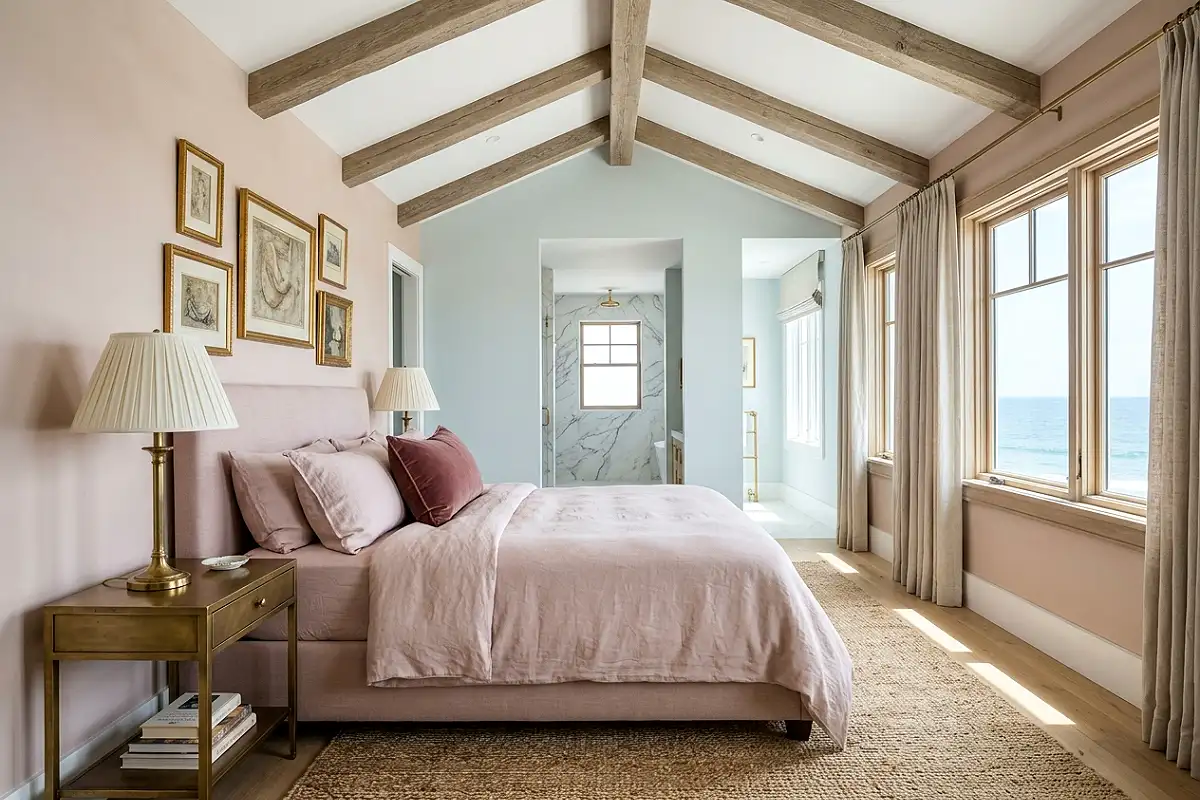
A bedroom built around the combination of dusty blush, warm ivory, and aged gold has a specific quality of femininity that is sophisticated rather than sweet — the palette reads as refined and editorial rather than girlish, particularly when the blush chosen leans warm and slightly terracotta rather than cool and candy-pink. Blush linen bedding against an ivory wall, a brass bedside lamp with a pleated ivory shade, gold-toned picture frames in a mix of sizes, and a deep dusty rose velvet accent pillow as the single front pillow create a composition that is internally coherent and visually warm. Farrow & Ball’s Setting Plaster on the walls and Benjamin Moore’s White Dove on the trim establishes the perfect tonal foundation for this palette to work at its best.
Pro Tip
Keep every gold tone in the room unlacquered rather than polished. Polished gold reads as brassy and harsh against soft blush tones; unlacquered brass or aged gold with a slight warmth and variation reads as genuinely luxurious. The living-finish quality of unlacquered brass — the way it shifts and deepens over time — is what makes the gold element in this palette feel considered rather than decorative.
Ruffled and Embroidered Bedding
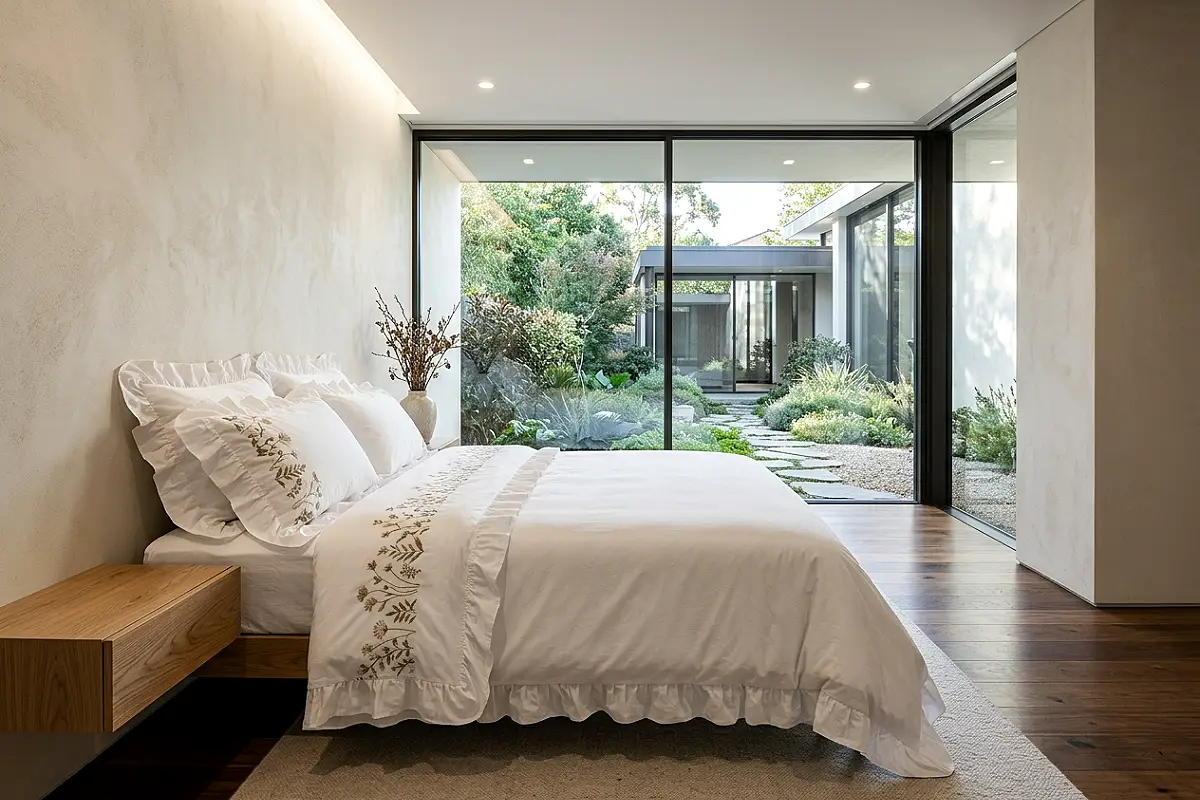
Bedding with ruffled edges, eyelet detailing, or hand-embroidered motifs — particularly in white, ivory, or the palest blush — brings a sense of craft and luxury to the bed that plain linen or cotton, however high quality, cannot replicate. A duvet cover with a wide ruffle along all four edges in a crisp white percale, layered over an embroidered flat sheet with a simple floral or botanical motif along the hem, creates a bed that looks like it was made with genuine care. The best versions of this bedding style come from Portuguese linen houses, small European ateliers, and Etsy embroidery shops where each piece carries the quality of handwork — but H&M Home and Zara Home both carry eyelet and embroidered options at accessible prices that deliver the aesthetic without the artisan price tag.
Pro Tip
Wash ruffled and embroidered bedding in a mesh laundry bag on a gentle cold cycle and air-dry flat or over a drying rack rather than tumble-drying. Heat and mechanical agitation are the two factors most likely to distort embroidery thread and cause ruffle edges to pucker permanently — and the air-dried finish has a softer, more natural drape that makes the bedding look more beautiful on the bed.
Antique Vanity Dressing Table
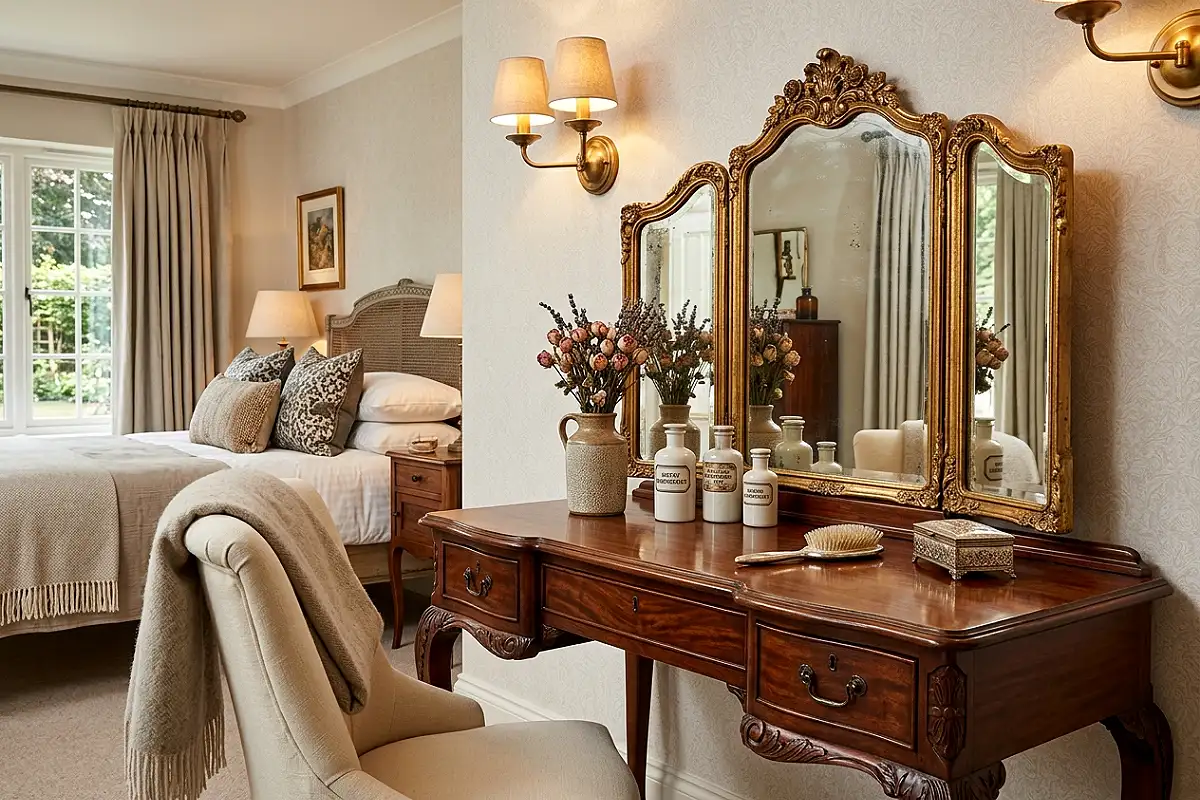
A vintage or antique dressing table — particularly one with an ornate triptych mirror in aged gilt, a delicate cabriole leg, and a small upholstered stool pulled beneath it — brings a quality of feminine ritual to a bedroom that no contemporary furniture piece quite replicates. It speaks to a relationship with getting dressed as an act of pleasure rather than obligation, and that sensibility radiates into the room around it. Style the surface with a curated collection: cut-glass perfume bottles in varying heights, a small arrangement of dried rosebuds in a crystal bud vase, a tortoiseshell comb and brush set, a porcelain ring dish, and one large candle in a beautiful vessel. Estate sales, antique markets, and Facebook Marketplace are the best sources for genuinely beautiful pieces at a fraction of what reproduction versions cost.
Pro Tip
Replace the standard bulbs on a vintage Hollywood-style vanity mirror with 2200K warm amber globes rather than the cool daylight bulbs often included. The transformation in the quality of light — from a backstage dressing room to a warm, flattering boudoir glow — is immediate and significant, and it makes the vanity corner the most beautifully lit spot in the room.
Floral Wallpaper Feature Wall
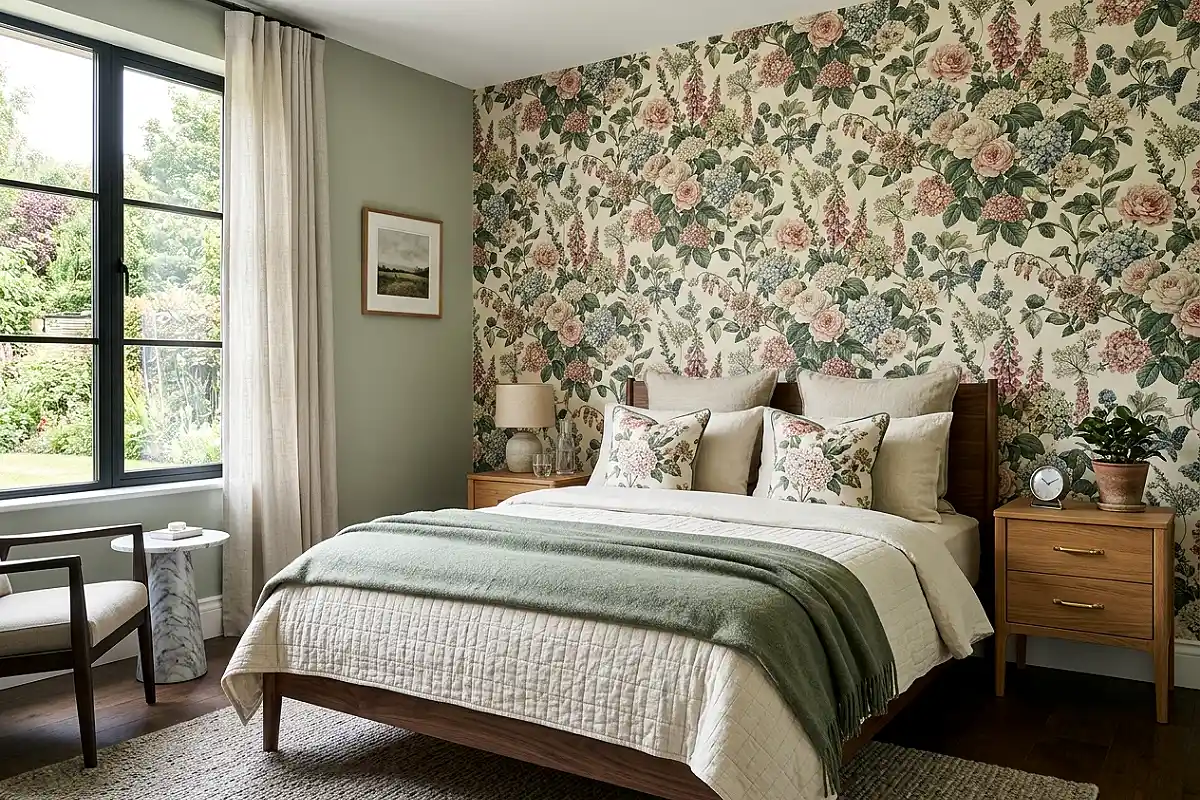
A large-scale English garden floral wallpaper on the wall behind the bed — roses, peonies, clematis, and trailing vines rendered in soft, slightly faded tones against a pale sage, warm ivory, or barely-there blush ground — is the single decorating move that most reliably delivers a sense of enveloping feminine beauty in a bedroom. The key is in the colorway: choose prints where the florals read as slightly weathered and antique rather than bright and commercial. Lewis & Wood, Cole & Son, and Sanderson’s Archive collection all carry patterns in this register that are worth the investment. Rifle Paper Co. for HYGGE & WEST offers a more accessible price point with a similarly beautiful aesthetic. Pair the wallpapered wall with plain paint on the remaining three walls in the ground tone of the paper rather than in white.
Pro Tip
Order at least one full extra roll beyond your calculated coverage — pattern matching at seams, corner wraps, and small repairs always consume more paper than the room’s measured square footage suggests. A discontinued colorway is essentially impossible to source after the fact, and the additional roll costs far less than the anxiety of running short during the hang.
Crystal and Gilt Chandelier
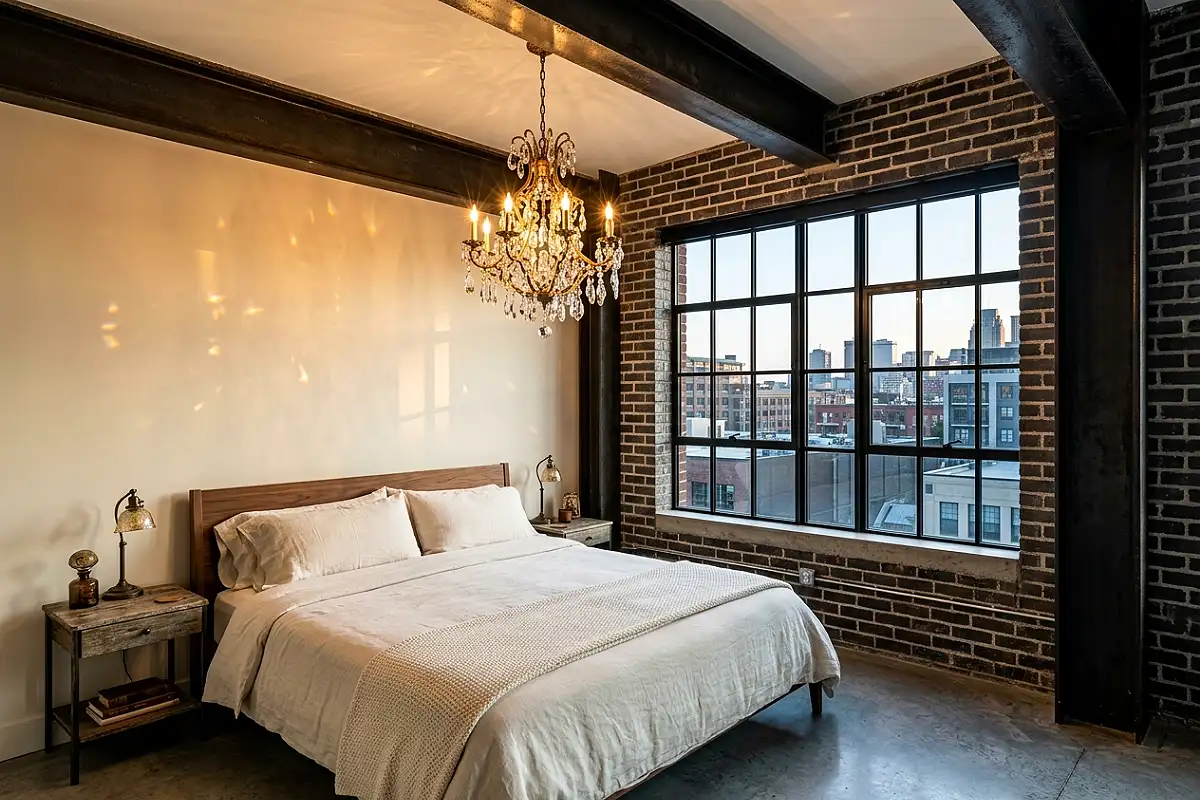
A crystal chandelier in a bedroom is the light fixture that most directly communicates the specific quality of femininity this article is interested in — not sugary or girlish, but genuinely luxurious, architecturally considered, and unapologetically beautiful. In the 18-to-24-inch diameter range above the bed center, a chandelier with aged gold or gilt metalwork and clear or slightly amber crystal drops scatters warm light across the room in dozens of small moving points that no other fixture can produce. The effect at 20 to 30 percent brightness — on a dimmer, always on a dimmer — is incomparably beautiful during the evening hours. An entry-level chandelier from Amazon’s home lighting section can be convincing for under $150; a genuine piece from Visual Comfort or Arteriors is an investment the room will justify for decades.
Pro Tip
Clean crystal chandelier drops twice a year using one part isopropyl alcohol to three parts distilled water applied with a lint-free cloth. Dust-dulled crystals scatter a fraction of the light that clean ones do — the difference in sparkle output between a clean and a dusty crystal fixture is dramatic and visible from across the room.
Silk and Velvet Pillow Collection
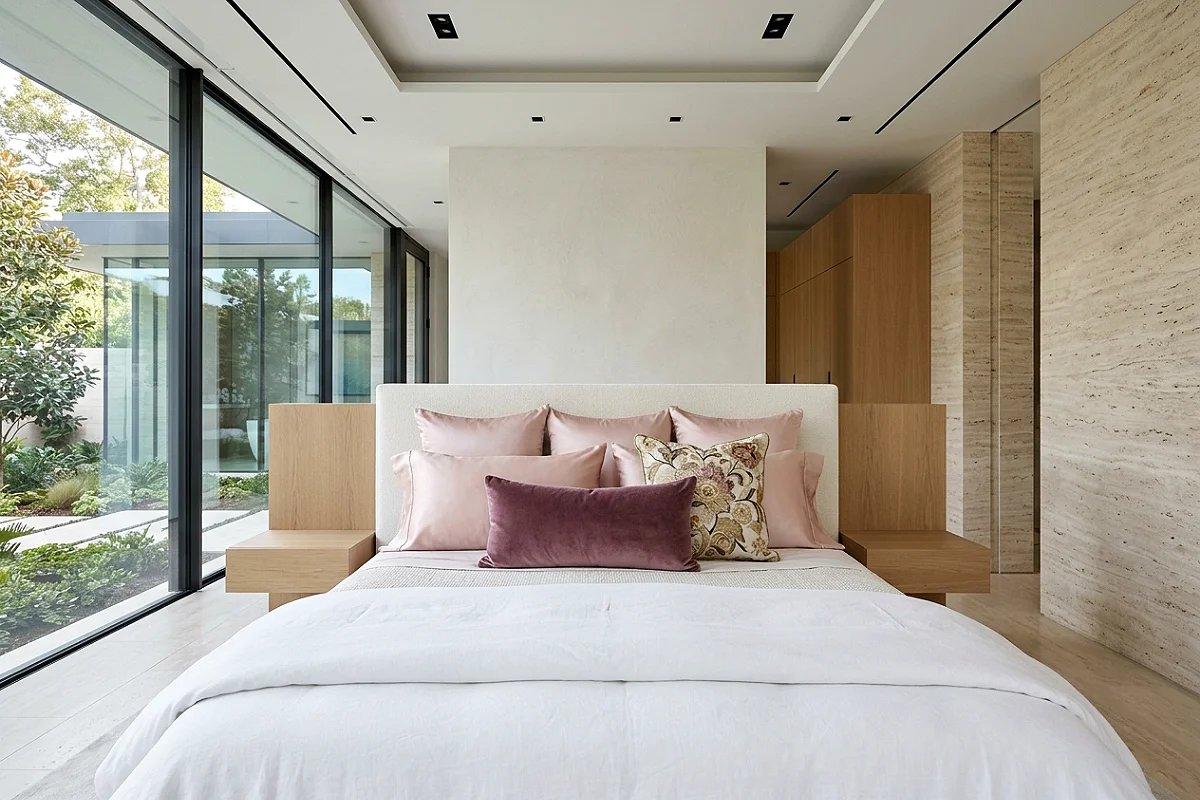
A carefully assembled pillow collection in silk, velvet, brocade, and embroidered fabric — not in a single coordinated set but in a mix of related tones and distinctly different materials — is one of the most accessible ways to add genuine material luxury to a feminine bedroom. The front-facing pillows do the most work: a pair of charmeuse silk pillowcases in blush or champagne, a small velvet lumbar in deep mauve or dusty rose, and one embroidered or jacquard accent pillow in a floral or geometric motif that picks up both the silk and the velvet tones. The contrast between the silk’s cool smooth sheen, the velvet’s warm nap, and the dimensional texture of embroidery is what creates the layered richness that reads as genuinely considered rather than simply full.
Pro Tip
Arrange the front accent pillows in a slight diagonal lean rather than perfectly upright — let them angle toward each other and meet softly in the center. This is the specific pillow arrangement detail that makes a bed look like it was styled rather than simply made, and it takes about four seconds once you know to do it.
Gallery Wall of Romantic Illustrations
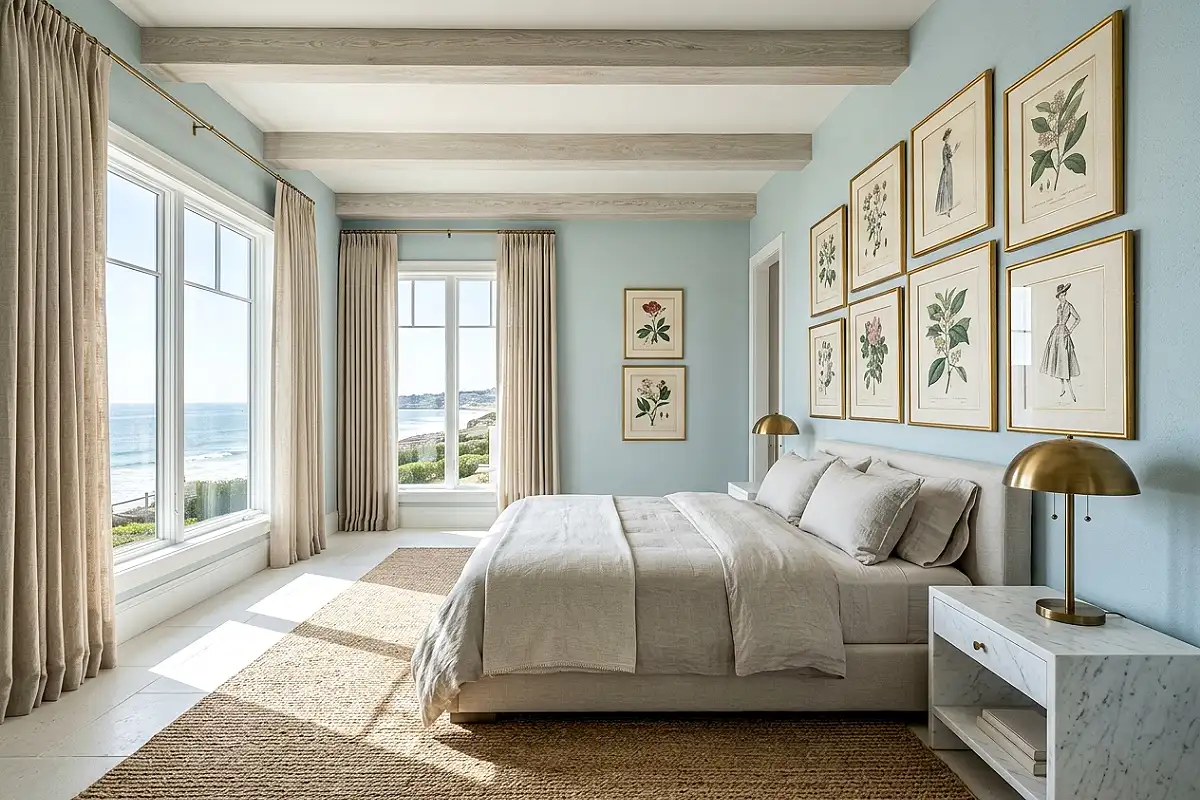
A curated gallery wall composed entirely of romantic, feminine subject matter — vintage fashion illustrations, botanical studies, romantic portrait miniatures, pressed flower prints, watercolor florals, and antique perfume label reproductions — creates a wall that feels like a personal collection assembled over a lifetime rather than a purchased set. Unify the arrangement with consistent frame finishes in thin gold or natural oak, consistent warm cream mats, and consistent spacing of 2 to 3 inches between frames. The subject matter is the design statement; the framing is deliberately quiet so as not to compete with the imagery. Public domain sources offer extraordinary material for free download: fashion plates from 19th-century French magazines, Victorian botanical watercolors, Art Nouveau illustration archives — all printable at home or through a local print shop.
Pro Tip
Mix portrait orientation and landscape orientation frames within the same gallery wall rather than keeping everything one direction. The variation in orientation creates a more organic, collected feeling — as though each piece was hung because of the image itself rather than because it fit a predetermined grid.
Tufted Velvet Headboard in a Jewel Tone
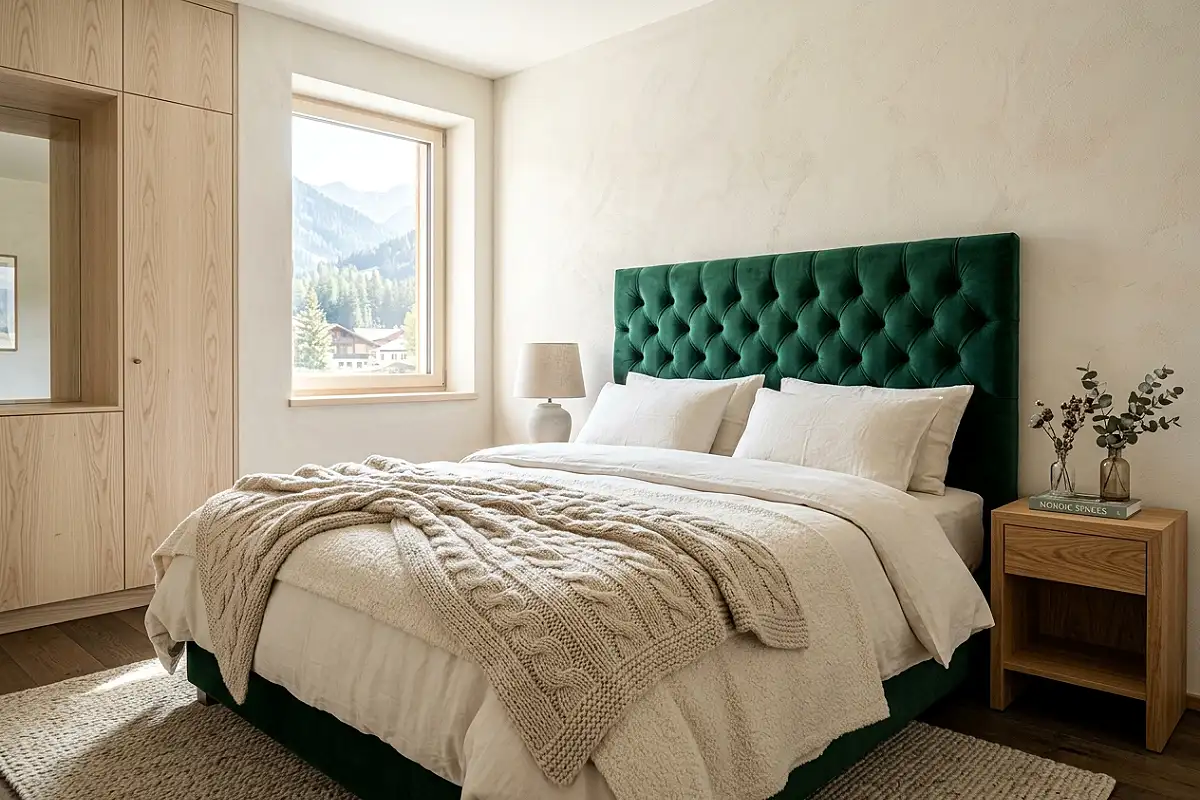
A deeply button-tufted headboard in a rich velvet — deep emerald, plum, wine, dusty mauve, or midnight blue — is the piece of furniture that most definitively anchors a feminine bedroom in something more sophisticated and dramatic than blush and gold alone. Velvet tufting has a specific quality of opulence that reads simultaneously as Victorian, Art Deco, and entirely contemporary depending on the other elements in the room. Against a warm white or pale ivory wall, a jewel-toned velvet headboard becomes the room’s undisputed focal point — everything else in the room orbits it. Keep the bedding in a quiet complementary tone — ivory, cream, or the very palest version of the headboard color — and let the headboard speak for itself without competition.
Pro Tip
Brush velvet upholstery periodically with a soft-bristled velvet brush or a lint roller in the direction of the pile to restore the nap. Velvet that has been compressed or brushed against the pile direction looks dull and worn even when it’s new; velvet with the pile correctly aligned catches light richly and reads as luxurious from across the room.
Ornate Gilt Mirror Above the Dresser
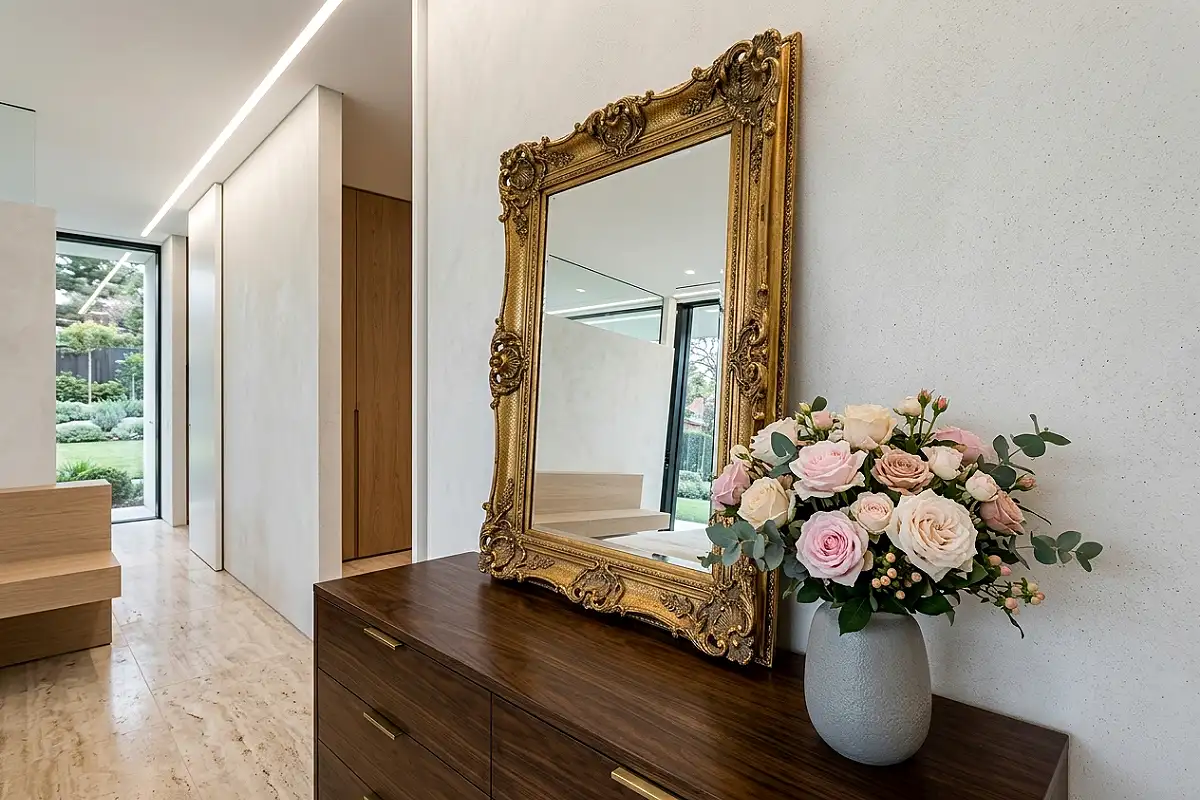
A large, ornate mirror in an aged gilt or carved gesso frame — oval, arched, or elaborately rectangular with scrollwork or floral detailing — hung above a dresser or leaned against the wall behind it is one of the most reliable and affordable ways to introduce genuine old-world feminine elegance into a bedroom. The frame’s decorative detail catches light at every angle and casts small, warm highlights across the surrounding wall during morning light in a way that flat mirrors and frameless pieces cannot. Style the dresser beneath it as a deliberate still life: a small bouquet of garden roses or dried florals, two or three perfume bottles in cut glass, a candle in an amber vessel, a small porcelain or ceramic tray for jewelry. The mirror becomes the architecture; the styling beneath it becomes the supporting composition.
Pro Tip
Lean an ornate gilt mirror at a slight forward angle — the bottom edge pushed 4 to 6 inches from the wall — rather than hanging it flush. A leaning mirror reads as more casual and collected than a hung one, and the slight tilt makes it more useful as a dressing mirror at the same time. It also prevents the heavy frame from creating a flush, flat profile against the wall that diminishes its sculptural presence.
Canopy Bed with Gathered Silk Draping
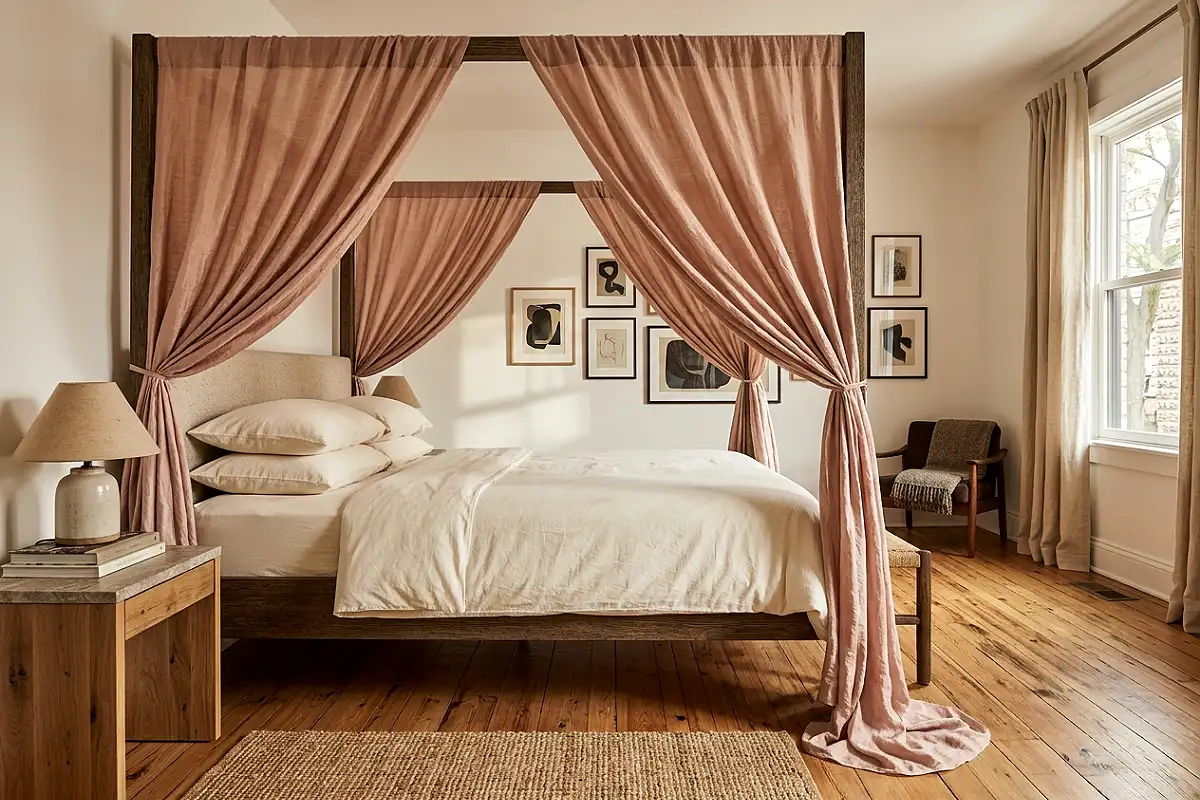
A four-poster or canopy bed frame draped in gathered silk — or a high-quality silk-like fabric — is the most overtly feminine furniture arrangement available in a bedroom, and it earns that designation fully when it’s executed with restraint and quality. The fabric should be gathered loosely and generously at each post rather than hung flat, so it falls in soft, romantic folds. Ivory silk, blush charmeuse, or warm champagne organza all work beautifully in natural and lamplight alike. The canopy’s primary function is atmospheric rather than architectural: it creates a sense of enclosure and privacy around the sleeping area that makes the bed feel like a room within the room. IKEA’s GJÖRA four-poster frame provides an accessible structural base; the fabric and the draping are where the investment and effort should be concentrated.
Pro Tip
Buy sheer or silk panels that are at least twice as long as the bed height and allow them to pool 4 to 6 inches on the floor at each post. Fabric pooling on the floor is the specific detail that distinguishes a canopy that looks designed from one that looks like curtains hung on a bed frame — the extra length is worth every inch.
Scalloped Edge Furniture and Accessories
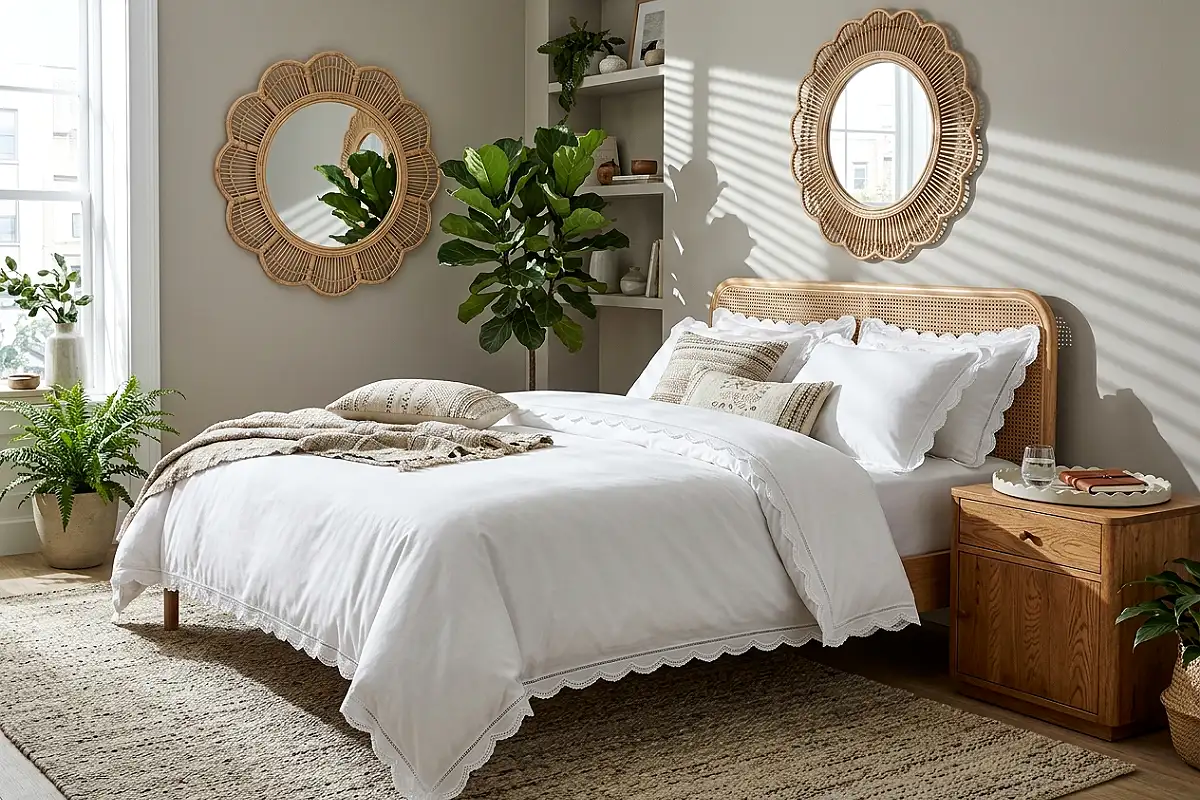
The scalloped edge — a repeating curved border that references shells, petals, and natural forms — is one of the defining motifs of elegant feminine design and one that works with remarkable consistency across multiple object categories in a bedroom. A scalloped duvet cover or flat sheet in crisp white cotton, a scalloped rattan mirror above the nightstand, a scalloped ceramic catch-all dish on the dresser, scalloped wallpaper borders, or a scalloped headboard silhouette in painted linen all carry the same quality of considered, decorative detail that signals a room where beauty was pursued with specific intention. The motif unifies disparate objects into a subtle visual theme without requiring an obvious, matchy coordination.
Pro Tip
Limit the scalloped motif to two or three objects in the room rather than applying it to every surface. Two or three instances of a motif reads as a refined recurring design decision; six or seven instances reads as a theme, which is a meaningfully different — and significantly less elegant — register.
Cut-Glass Perfume Bottle Collection
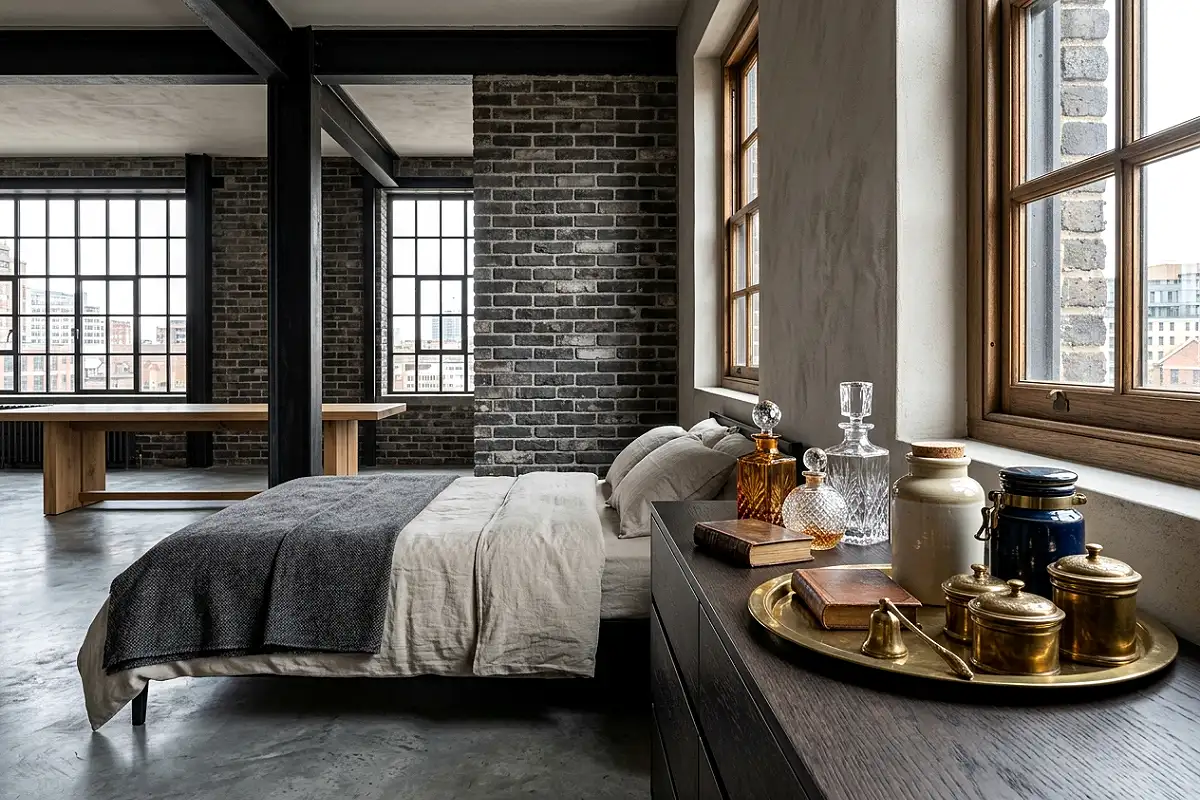
A collection of antique or vintage cut-glass perfume bottles — gathered from estate sales, antique markets, and specialist glass dealers and arranged on a mirrored tray or a small silver salver — is one of the most purely beautiful surface arrangements available in a feminine bedroom. The way cut crystal refracts light into small prismatic points across a dresser surface in morning sunlight is genuinely extraordinary and entirely free once the bottles are acquired. Look for pieces in varying heights, neck shapes, and stopper designs — the visual interest comes from the differences between bottles rather than from matching sets. Clear crystal, pale amethyst, cobalt blue, and pink glass all catch light differently and create a shifting, jewel-like composition throughout the day.
Pro Tip
Position the perfume bottle collection so it catches the strongest natural light in the room — directly in a window sill or on a surface that receives direct morning sun. The light refraction effect that makes cut glass so beautiful is entirely dependent on direct light; in a dark corner, the same bottles read as an interesting collection rather than a luminous one.
Pleated Linen Lampshade Upgrade

A pleated linen or silk lampshade — in ivory, blush, or warm cream — on a ceramic or brass lamp base is one of those specific details that reads differently in a feminine bedroom than in any other context. The fine pleating of the shade fabric catches and diffuses lamplight in a way that a plain drum or empire shade doesn’t: the light escapes through the pleats in a warm, slightly irregular glow that has a specific quality of elegance and age. Most mass-market lamps come with flat, cheaply made shades that undercut whatever quality the base possesses. Replacing the shade with a properly pleated version — available from specialist lampshade makers on Etsy or from quality lamp retailers — is a $30 to $80 upgrade that completely changes the quality of the fixture and the light it produces.
Pro Tip
The width of the shade bottom should be approximately equal to the height of the lamp base — this is the proportion that creates a visually resolved, well-balanced lamp silhouette. A shade that is too narrow makes the base look heavy and ungainly; one that is too wide makes the lamp look top-heavy. This single proportion check eliminates most lampshade sizing mistakes before purchase.
Fresh Flower Arrangement as Weekly Ritual
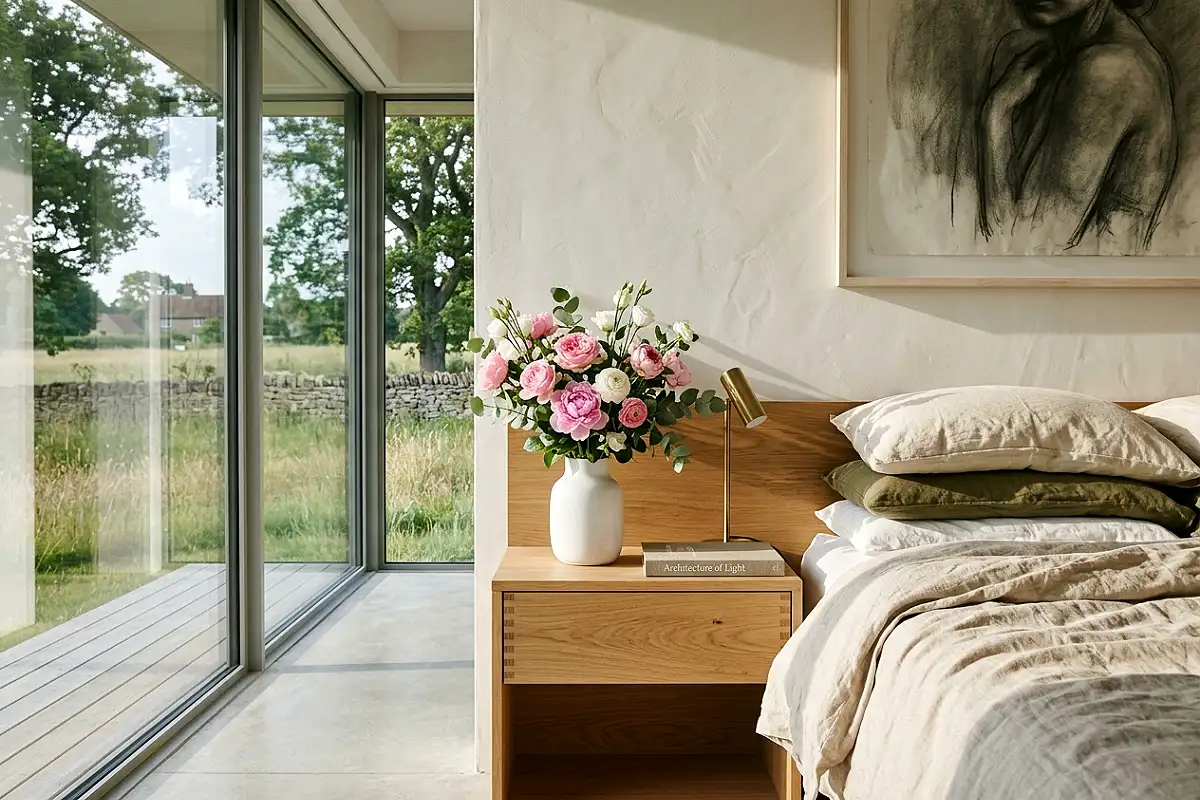
A loosely arranged bouquet of fresh flowers — changed weekly or biweekly, chosen for texture and fragrance as much as for color — is the bedroom addition that no amount of dried or artificial botanicals can substitute for. The specific quality of live flowers in a bedroom is about presence and impermanence: the way petals catch morning light, the subtle fragrance that fills the room, the way the arrangement changes over the days of its life as petals open and stems slightly drop. Garden roses, ranunculus, peonies, sweet peas, and hellebores all work beautifully in a bedroom context — soft, slightly complex forms that look more gathered than arranged. A bunch from a grocery store or a farmers’ market costs $10 to $20 and transforms the nightstand or dresser more completely than any purchased decor object at the same price.
Pro Tip
Cut stems at a steep 45-degree angle under running water immediately before placing them in a clean vase — the angled cut maximizes the surface area through which the stem draws water. Change the water every two days and add a single drop of bleach to prevent bacterial growth. These two habits extend bloom life by four to seven days, making the weekly flower ritual genuinely cost-effective.
Arched Doorway or Nook with Curtain
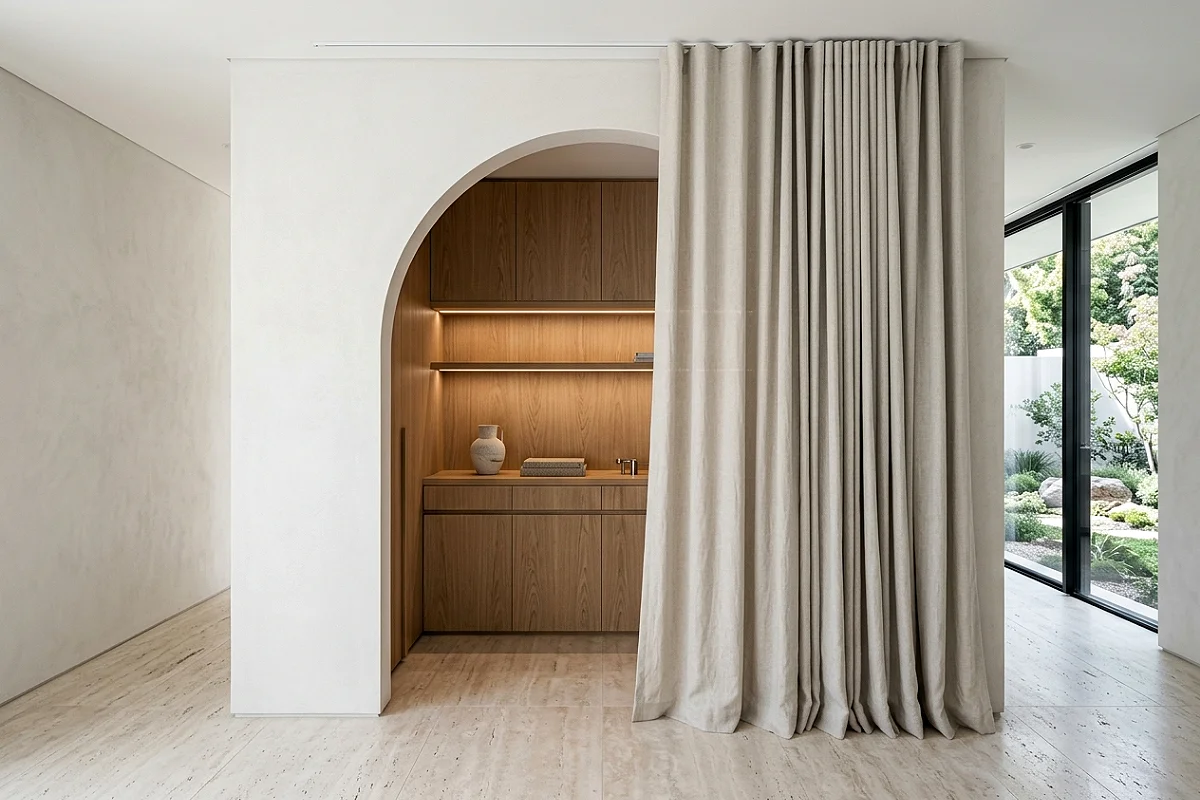
A soft arched curtain — hung from a curved rod or a ceiling-mounted track that follows the curve of an existing arch — framing a dressing nook, a reading corner, a doorless closet, or a bathroom entry creates one of the most distinctly feminine architectural moments available in a bedroom. The combination of the curved architectural line and the soft fall of gathered fabric in a beautiful material — a heavy oyster linen, a blush velvet panel, a tonal stripe in ivory and gold — reads as both historical and entirely current. In rooms without an existing arch, a simple painted arch above a doorway or a curtained alcove creates the same framing quality for the cost of a sample pot of paint and a ceiling-mounted curtain track.
Pro Tip
Use a ceiling-mounted curved curtain track rather than a rigid curved rod for an arched curtain — tracks allow the curtain to draw smoothly and to hang flush against the wall on both sides when open. Rigid curved rods hold the curtain at a fixed curve that prevents it from stacking neatly when drawn back, which makes the opening feel narrower than it is.
Monogrammed Linen and Embroidered Pillowcases

Monogrammed pillowcases and hand-embroidered linen — an initial or a small motif embroidered in a single thread color on a fine white or ivory cotton — bring a quality of personal bespoke detail to bedding that transforms even the simplest white bed into something that reads as entirely curated and specific to its owner. The monogram does not need to be elaborate: a single initial in a simple serif typeface embroidered in ivory thread on an ivory pillowcase creates a subtle tonal detail that only resolves fully on close inspection — which is exactly the kind of quiet sophistication that defines the best feminine bedroom design. Etsy embroidery sellers, Portuguese linen houses, and brands like Sferra and Léron all offer monogrammed linen across a range of price points and thread color options.
Pro Tip
Position monogrammed pillowcases so the embroidery faces outward — toward the foot of the bed — rather than hidden at the back of the pillow stack. This is the traditional hotel linen presentation, and it ensures the embroidery is actually visible as a design element rather than facing the headboard where no one can see it.
Botanical Pressed Flower Framed Art
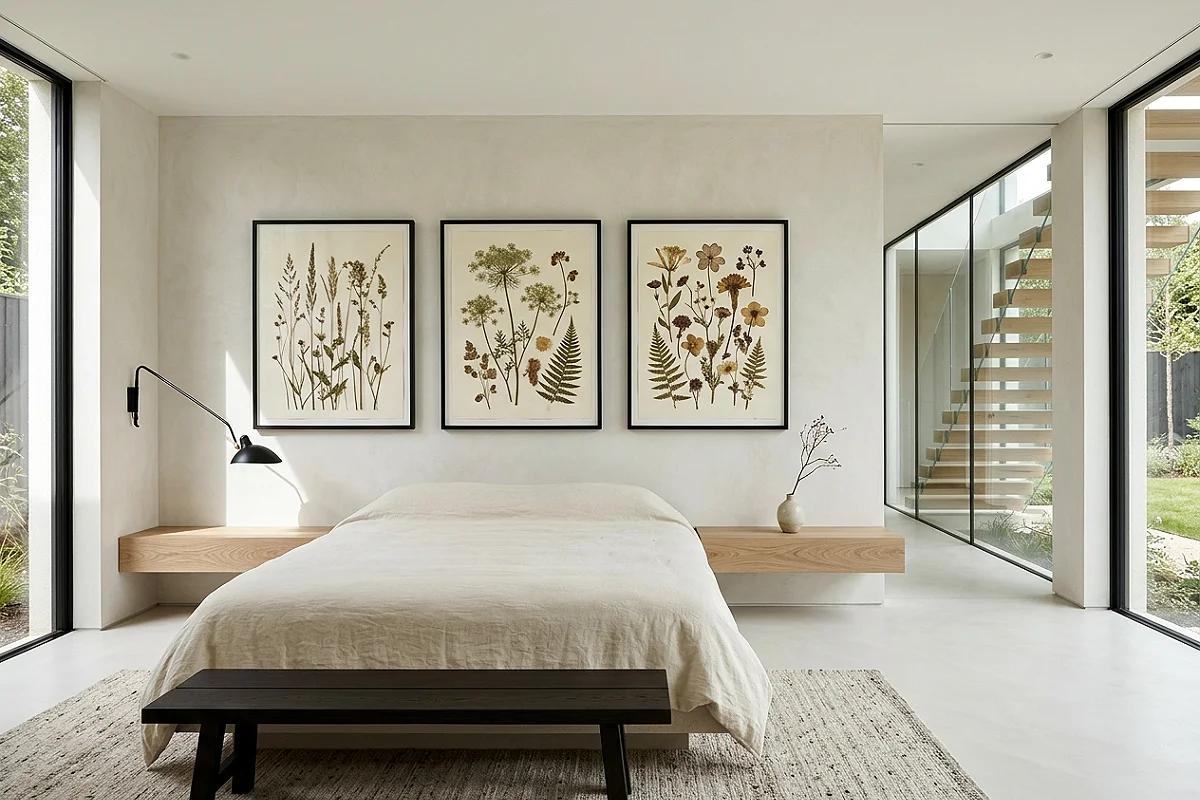
Large-format pressed flower art — genuine pressed and dried specimens mounted on archival paper, framed in a wide white mat — has an heirloom quality that printed botanical illustrations approach but never quite replicate. The real petals, the genuine transparency of dried flower tissue, and the slight dimensionality of the mounted specimens create a piece that reads as both scientifically curious and extraordinarily beautiful. Press flowers yourself from a garden or a florist bunch — roses, pansies, anemones, Queen Anne’s lace, and ferns all press beautifully — using a heavy book and a few weeks of patience, or source finished pressed flower panels from specialist botanical artists on Etsy. A grouping of three to five of these pieces in matching simple frames creates a gallery wall with a specific, irreplaceable quality.
Pro Tip
Frame pressed flower art with UV-filtering glass rather than standard clear glass. Direct light fades pressed botanical specimens relatively quickly — UV-filtering glass dramatically slows this process and keeps the natural colors of the dried flowers true for years rather than months. It is a $20 to $40 addition per frame that is genuinely necessary for any pressed flower piece displayed in a room with natural light.
Boudoir Chair in a Corner with a Floor Lamp
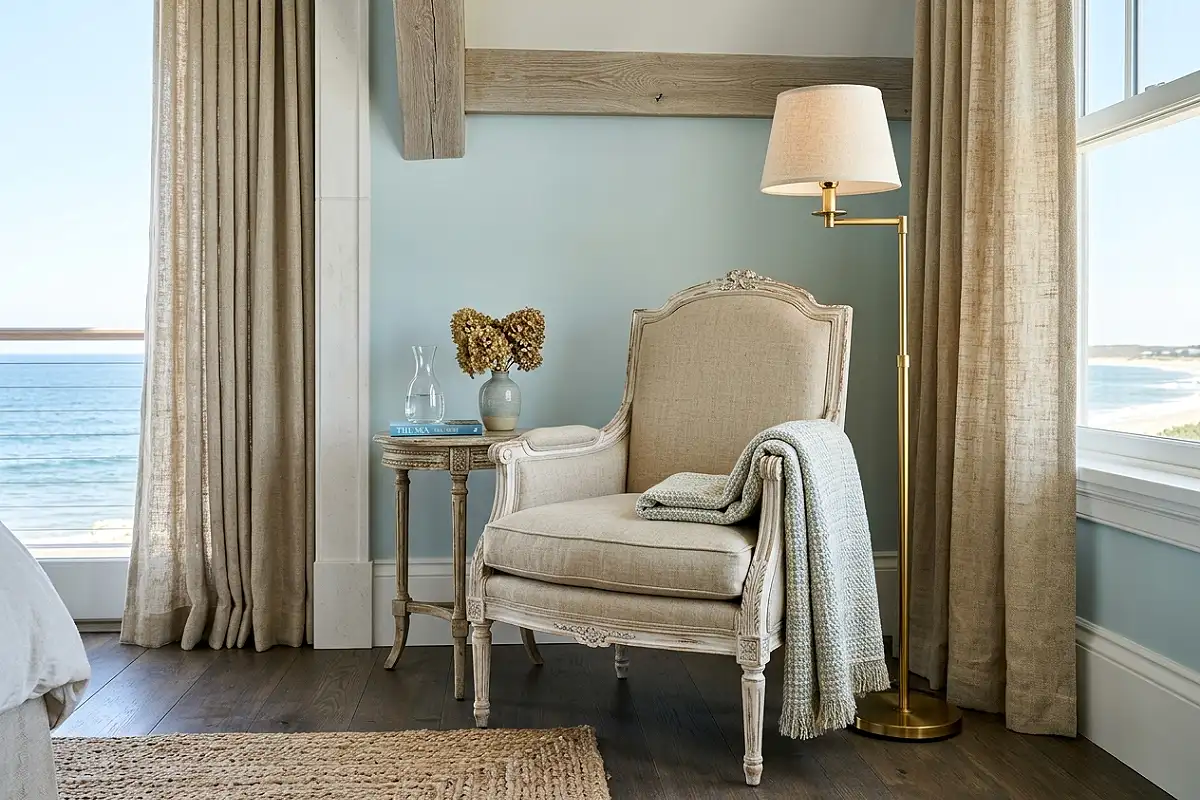
A small, elegantly proportioned chair — a bergère with a carved wooden frame, a low slipper chair in a tufted velvet, or a delicate Louis-style armchair with carved legs and a plain linen seat — placed in a corner of the bedroom with a slender brass floor lamp arching over it creates the most distinctly feminine seating moment available in a domestic interior. It has a specific historical quality — the private sitting space in a woman’s apartment — that contemporary furniture rarely achieves with the same elegance. The chair and lamp together occupy a footprint no larger than a nightstand but add a visual richness and a functional sitting corner that changes how the room is experienced and what it communicates about the person who lives in it.
Pro Tip
Drape a single silk or cashmere scarf over one arm of the boudoir chair rather than a standard throw blanket. A scarf reads as personal, used, and effortlessly elegant in a way that a folded throw does not — it suggests someone sat there recently and left it behind, which is the quality of casual inhabitation that makes a room feel genuinely lived in rather than staged.
Rose and Jasmine Scent Layer
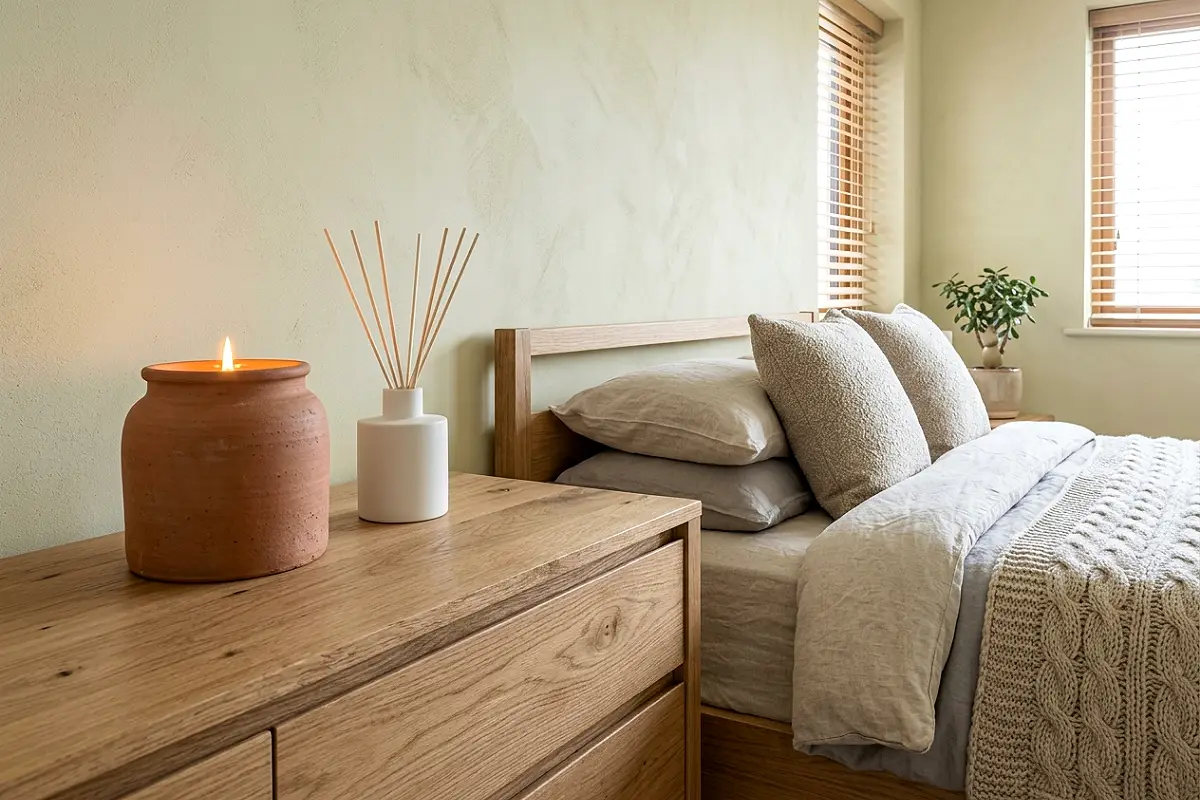
A feminine bedroom deserves a scent profile as considered as its visual palette — and the combination of rose and jasmine, in a bedroom context, has an almost architectural quality of femininity that few other fragrance families replicate. A large pillar candle in a rose and sandalwood blend on the dresser, a reed diffuser in jasmine and musk on the nightstand, and a linen spray in rose water and cedarwood applied to the bedding each evening creates a layered, complex scent that fills the room without being overpowering at any single point. Jo Malone’s Red Roses room spray, Diptyque’s Baies candle, and Byredo’s Rose Noir offer the most beautiful versions of this fragrance palette at a premium; The White Company and Voluspa both carry accessible alternatives in the same scent family.
Pro Tip
Layer scent objects at different heights in the room — a diffuser at nightstand level, a candle at dresser height, and linen spray directly in the fabric of the bedding — so the fragrance is encountered at multiple points as you move through and settle into the space. Scent at a single height reads as coming from one source; scent at multiple heights reads as the room itself having a particular quality.
Painted Furniture in a Soft Heritage Tone
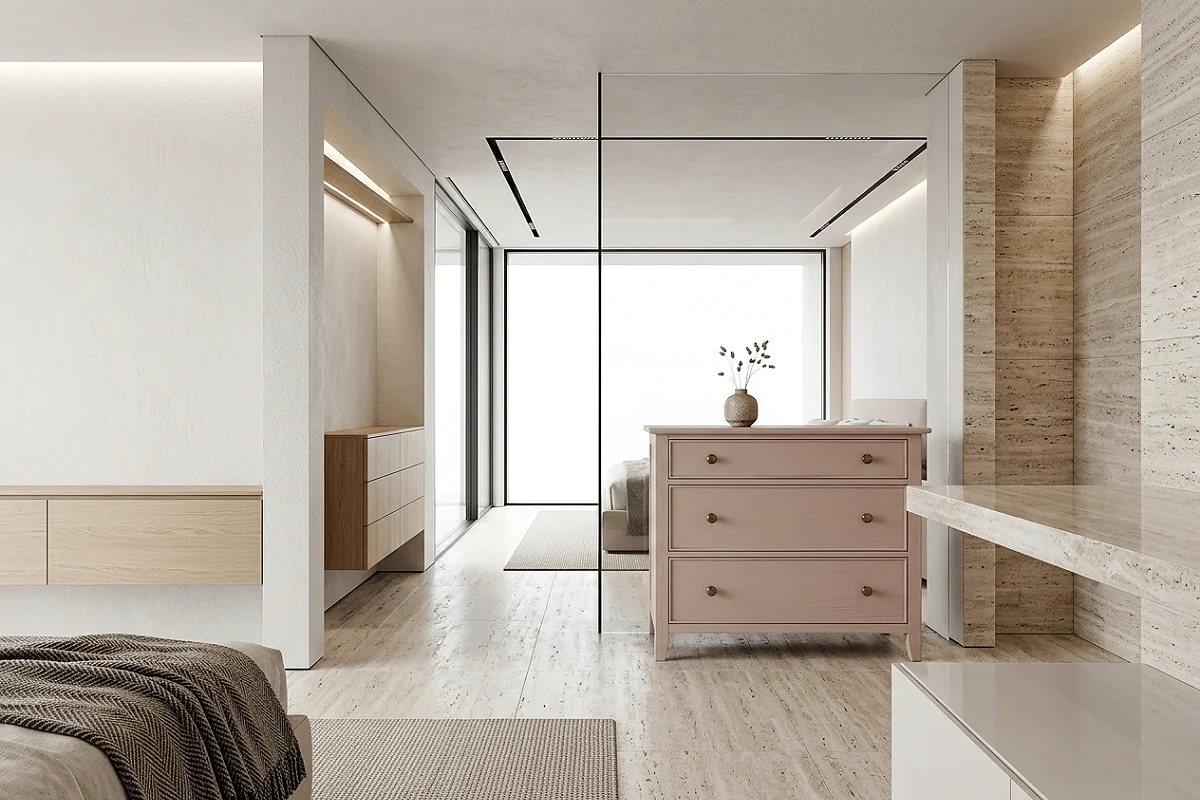
A piece of bedroom furniture — a chest of drawers, a nightstand, a small armoire, or a writing desk — painted in a soft, historically resonant color rather than left in its original stain or finish is one of the most cost-effective ways to introduce a genuinely bespoke, feminine quality to a room. Farrow & Ball’s Mizzle, a soft blue-grey-green that reads differently in every light; their Dead Salmon, a complex pinkish nude with grey undertones; or Chalk Paint in Old Ochre or Antoinette — all of these carry a quality of age and specificity that transforms even a mass-market piece of furniture into something that looks like it was chosen, painted, and placed with full intention. Finish with a clear wax for a soft, slightly chalky surface rather than a lacquer, which reads as too contemporary for this effect.
Pro Tip
Lightly sand the painted surface after the final coat is dry with a very fine 400-grit sandpaper, then apply clear furniture wax with a soft cloth. The sanding removes any brush marks or dust nibs and leaves a surface so smooth it reads as professionally finished; the wax seals and subtly deepens the color while maintaining the soft, chalky quality that makes painted furniture look genuinely antique rather than recently DIYed.
Frequently Asked Questions
What makes a bedroom feel feminine without being overly frilly?
Focus on soft textures, elegant shapes, and thoughtful details rather than ruffles or excessive decoration. A velvet headboard, linen bedding, warm lighting, a curved mirror, or aged-metal accents can create a distinctly feminine feel while keeping the room sophisticated and modern.
What are the best colors for a feminine bedroom?
The most versatile choices include dusty blush, warm mauve, ivory, cream, sage green, soft terracotta, and muted jewel tones such as plum or emerald. Pairing these colors with natural linen, warm wood, brass, or aged gold creates a feminine palette that feels layered rather than overly sweet.
How do I make a feminine bedroom feel elegant rather than childish?
Prioritize quality, scale, and restraint. Choose substantial furniture, luxurious-looking fabrics, sophisticated lighting, and a few statement pieces instead of lots of small decorations. Rich velvet, full-length curtains, large mirrors, and well-chosen artwork can instantly give a feminine bedroom a more polished, grown-up feel.
Can a feminine bedroom work in a small space?
Absolutely. Small bedrooms can feel especially charming when their design is intentional. Focus on the bed, walls, and lighting, keep the floor visually clear, and use mirrors to create a greater sense of depth. A beautiful headboard, layered bedding, elegant pendant, and carefully styled nightstand can make even a compact room feel luxurious.
What furniture shapes feel most feminine in a bedroom?
Curved, rounded, arched, and scalloped silhouettes tend to create a softer feminine look. Consider an arched mirror, curved headboard, round nightstand, upholstered bench, or gracefully shaped chair. Even one or two rounded pieces can soften an otherwise modern or angular bedroom.
What scents work well in a feminine bedroom?
Soft floral and warm, comforting fragrances work particularly well. Rose, jasmine, peony, iris, neroli, vanilla, sandalwood, and musk are popular choices. For a more sophisticated atmosphere, combine floral notes with a warm woody or musky base rather than choosing an intensely sweet fragrance.
Ultimately, a feminine bedroom is less about following a formula and more about creating a space that feels beautiful, personal, and confidently true to your taste.