20 Budget Friendly Ways to Decorate a Bedroom Beautifully
A bedroom refresh often begins with paint, textiles and a few thoughtful finds rather than new furniture. Small changes in color, light and layering can make an ordinary room feel styled.
The 20 ideas below cover walls, bedding, lighting and storage, with sizes and safety notes, and a step by step weekend plan at the end.
Accent Wall in a Deep Shade
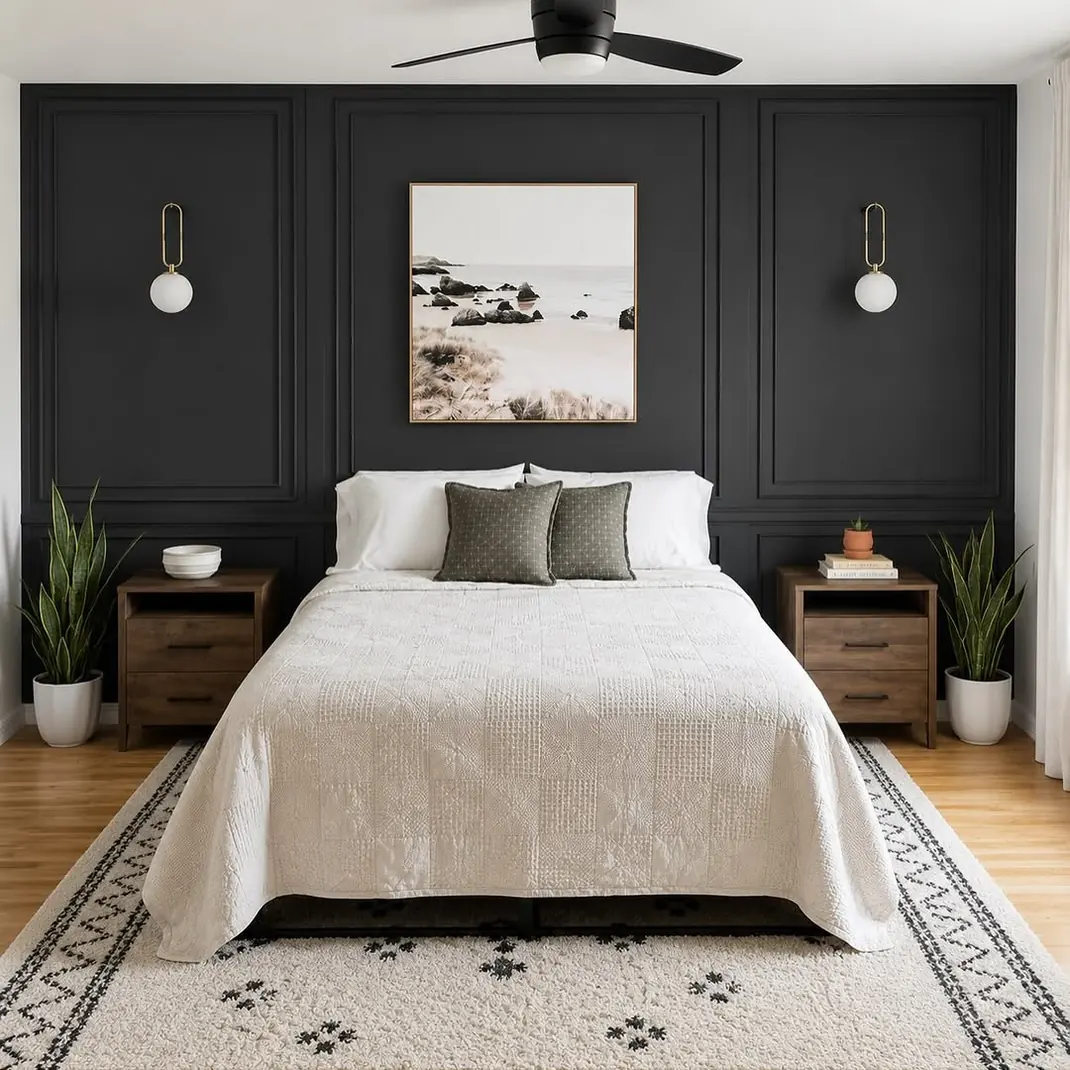
One painted wall changes the mood of a whole bedroom. The wall behind the bed works best, since it frames the headboard. A single quart covers roughly 100 square feet, which suits most bed walls.
Pick a matte or eggshell finish to hide small flaws in the plaster. Run painter’s tape along the ceiling and trim, then press it down with a putty knife. Open a window while painting and let the room air out for a day.
Choose low VOC paint for a gentler smell in a sleeping space. Keep the remaining walls light so the deep shade feels intentional.
Secondhand Mirror With a Fresh Frame
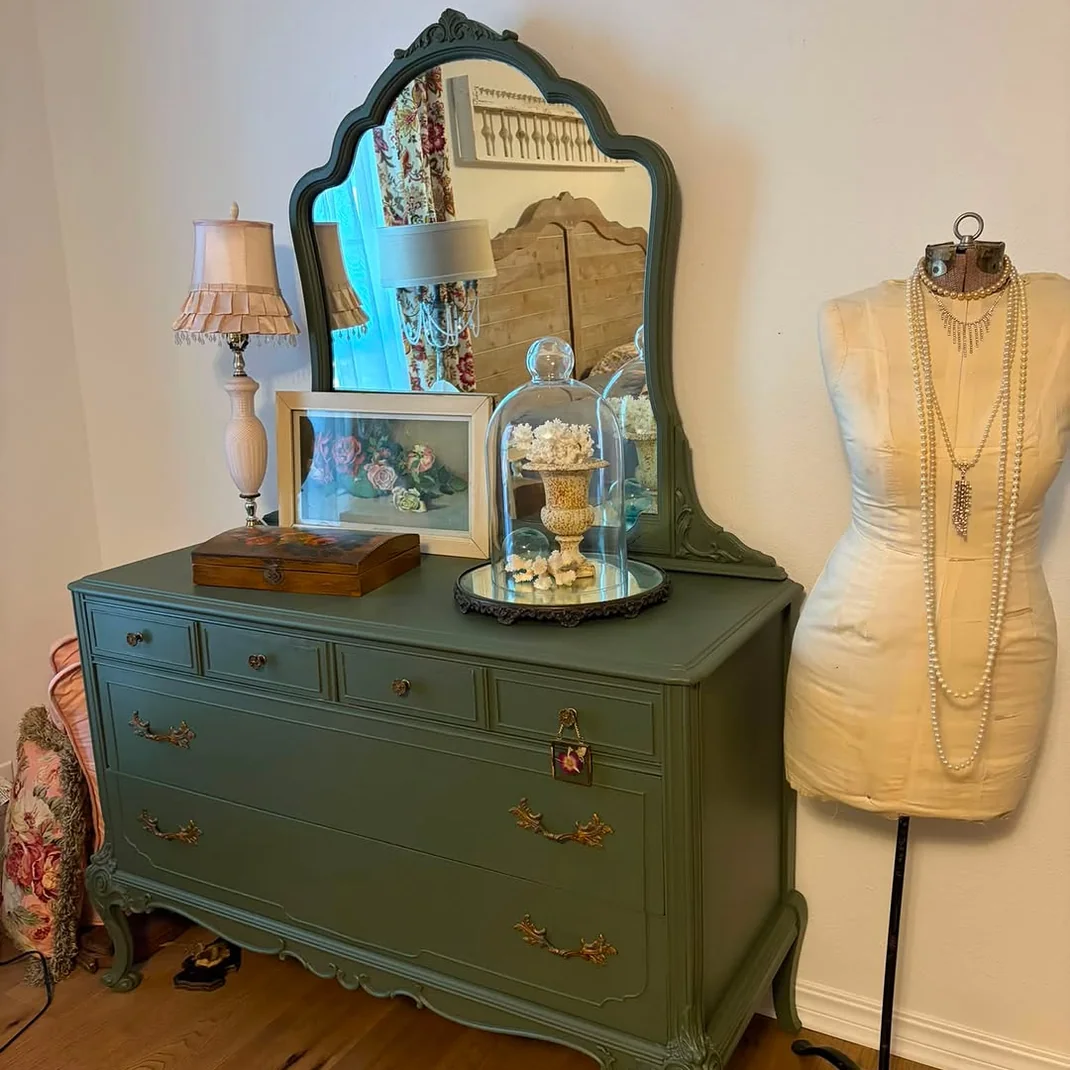
A large mirror brightens a bedroom by bouncing daylight across the room. Secondhand mirrors of 30 by 60 inches turn up often at thrift stores and yard sales. Sand the old frame lightly and wipe it clean before painting.
A coat of satin paint in black, brass tone or soft white updates the look. Place the mirror opposite a window to double the natural light. Lean a floor mirror against the wall at a slight angle and add a wall strap into a stud.
Tall mirrors can tip, so anchor them wherever children or pets pass by. Wipe the glass with a vinegar and water mix for a streak free finish.
Layered Bedding in Mixed Neutrals

Layers give a plain bed the look of a styled hotel suite. Start with a fitted sheet and a flat sheet, then add a duvet in a light solid shade. Fold a quilt or blanket across the lower third of the bed.
Add two sleeping pillows and two 26 inch euro pillows against the headboard. Finish with one or two lumbar pillows of about 12 by 20 inches. Mix textures such as linen, cotton and knit rather than many colors.
Keep the palette to three tones so the bed feels calm. Wash pillow covers every few weeks to keep the layers fresh.
Peel and Stick Wallpaper Headboard

A wallpaper panel behind the bed acts as a headboard without any carpentry. Measure the bed width and add about 6 inches on each side. Rolls are usually 20 inches wide, so three strips cover a queen bed.
Clean the wall and let it dry before pressing the first strip on. Start at the top and smooth downward with a plastic scraper. Test a small patch first, because some paints peel when the adhesive lifts.
Trim the edges with a sharp craft blade and a metal ruler. Frame the panel with thin wood trim for a built in look.
Gallery Wall of Secondhand Frames
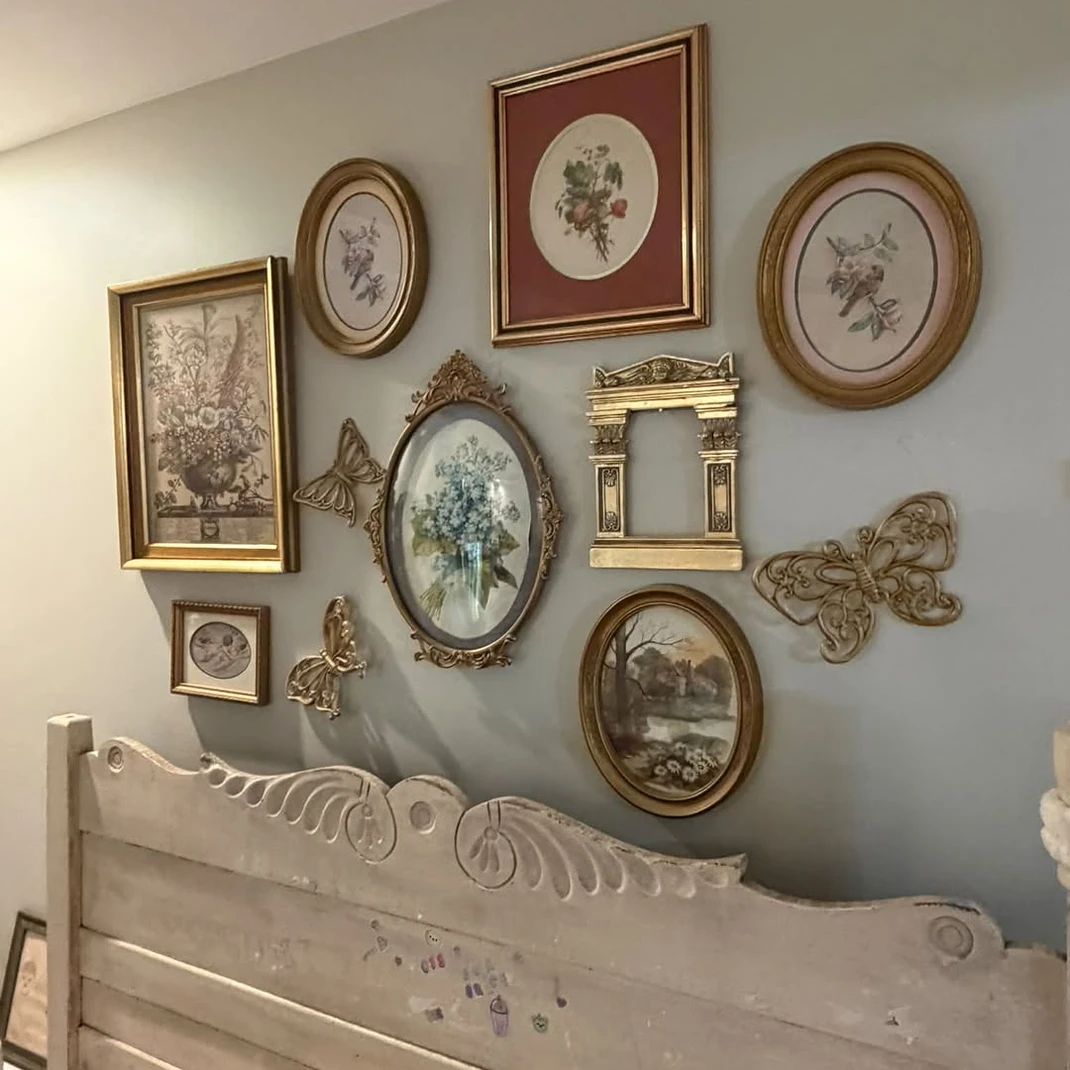
Odd frames from thrift stores become a cohesive gallery with one coat of paint. Paint all frames in the same shade, such as matte black or warm white. Mix sizes from 5 by 7 inches up to 16 by 20 inches for rhythm.
Lay the frames on the floor first and arrange them into a loose rectangle. Keep about 2 inches between frames for a tidy look. Hang the center of the group at roughly 57 inches from the floor.
Use adhesive strips rated for the frame weight when drilling is not allowed. Fill the frames with family photos, pressed leaves or fabric swatches.
Plug In Wall Sconces With Cord Covers
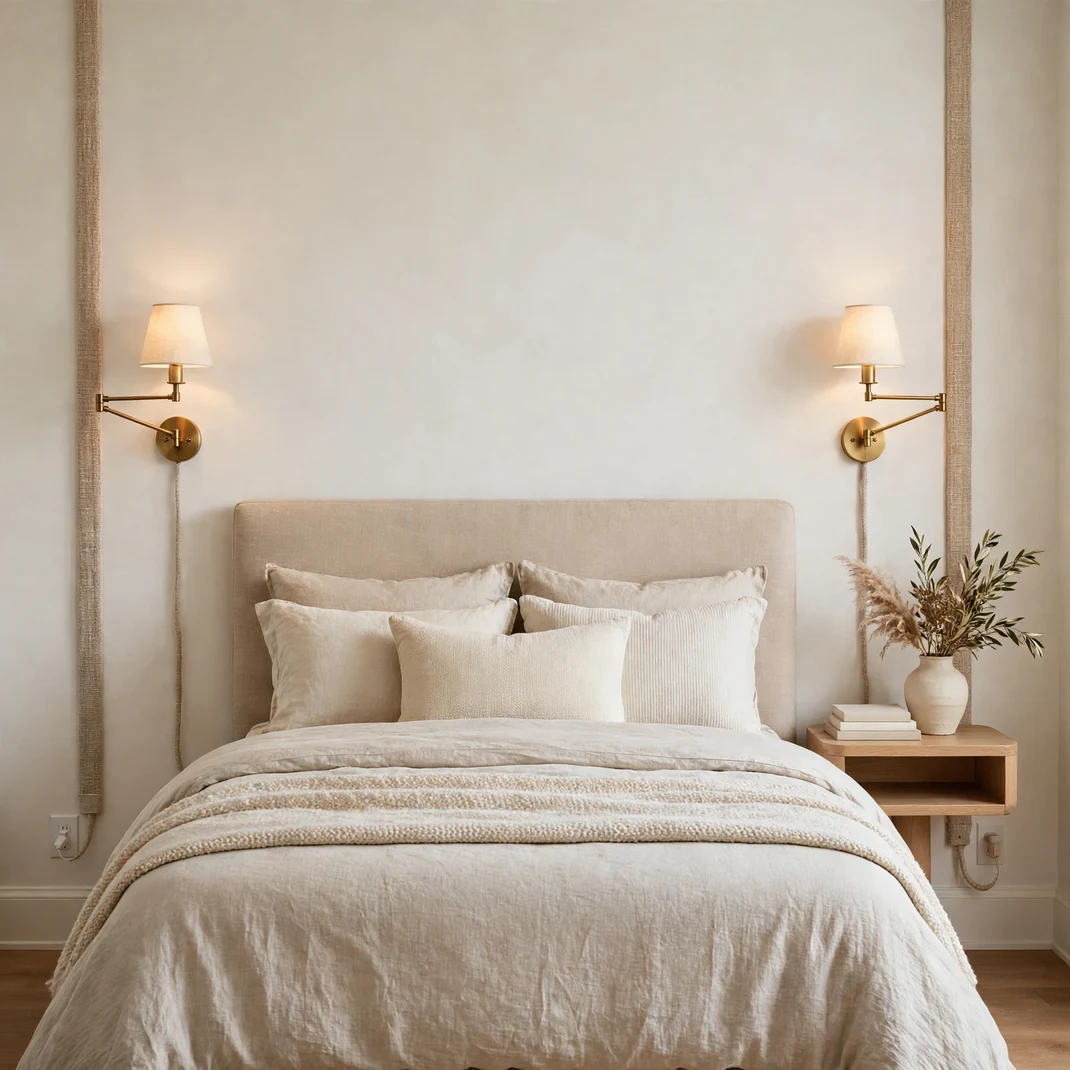
Plug in sconces free up nightstand space and add warm light beside the bed. Mount each fixture about 60 to 66 inches above the floor. Cover the cord with a paintable raceway so it blends into the wall.
Choose a warm bulb of about 2700 Kelvin for a cozy glow. Use LED bulbs to keep the shade cool to the touch. Keep fabric shades clear of the bulb by at least an inch.
Plug each cord straight into a wall outlet instead of overloading a power strip. A licensed electrician should handle any hardwired fixture.
Curtains Hung High and Wide

Hanging curtains higher makes the ceiling look taller. Mount the rod 4 to 6 inches above the window frame. Extend it 8 to 12 inches beyond each side so daylight stays clear.
Choose panels that skim the floor or rest about half an inch above it. Choose a rod finish that suits the room, like wood or matte metal. Pick fabric about two times the width of the window for soft folds.
Steam the panels instead of ironing to relax the creases. Add a liner for privacy and to block morning light.
Dresser Hardware Swap
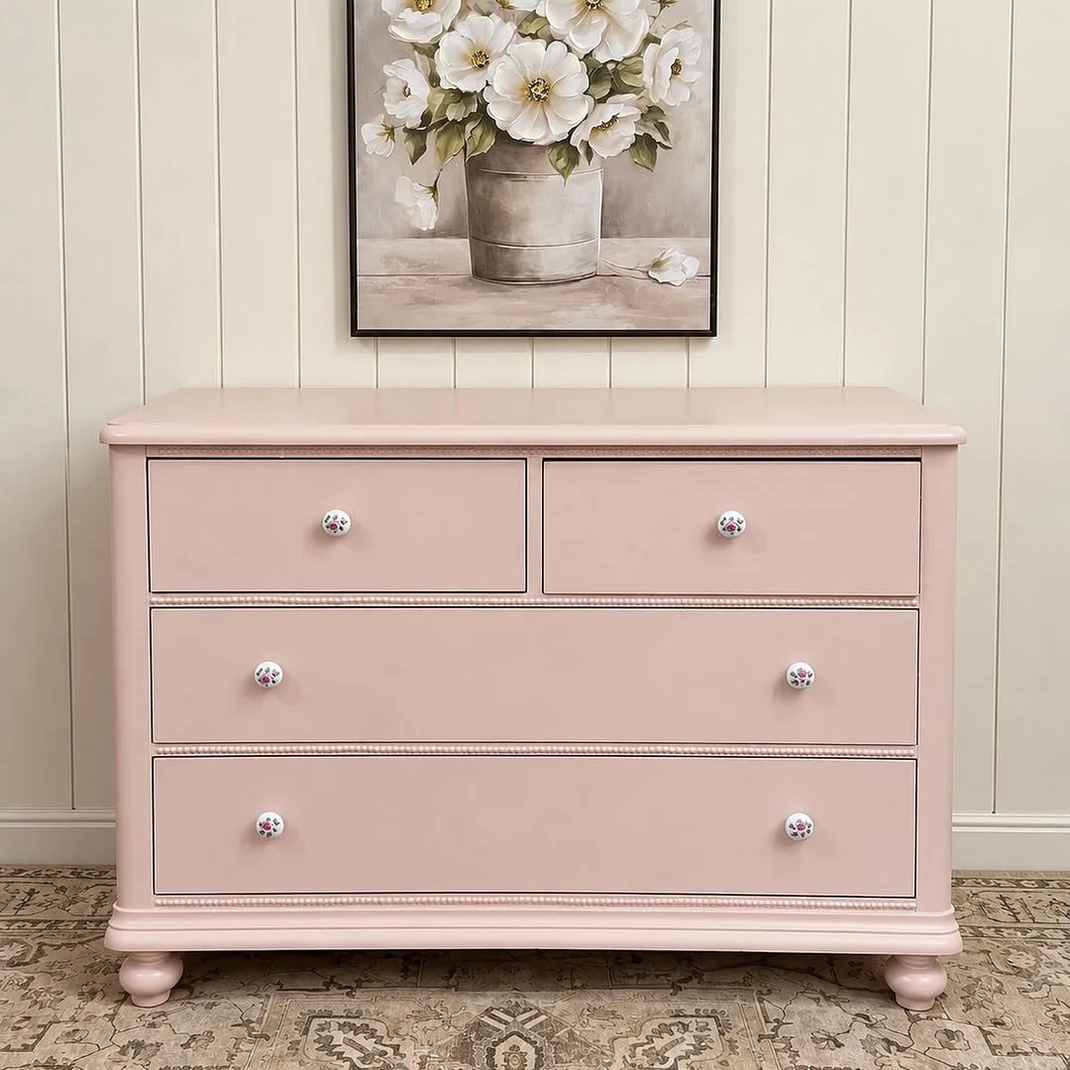
New pulls and knobs refresh a tired dresser in under an hour. Measure the distance between the existing screw holes before shopping. Common spacing is 3 inches or 3.75 inches between centers.
Remove old pulls with a screwdriver and wipe the drawer fronts clean. Fill any unused holes with wood filler and sand them smooth. A coat of cabinet paint adds a second layer of change.
Choose pulls with rounded edges for bedrooms shared with small children. Line the drawers with scented paper or plain shelf liner.
Woven Baskets for Hidden Storage

Baskets tame clutter and add natural texture to a bedroom. A basket of about 16 inches wide holds extra blankets at the foot of the bed. Smaller baskets of 8 to 10 inches sort socks, cables and small items.
Line open weave baskets with fabric so little things do not slip through. Label the front with simple tags for quick finding. Place heavier baskets on lower shelves to keep shelves stable.
Choose smooth edges that will not snag knit throws. Wipe woven baskets with a damp cloth and let them dry in the air.
Greenery Corner With Plant Safety in Mind
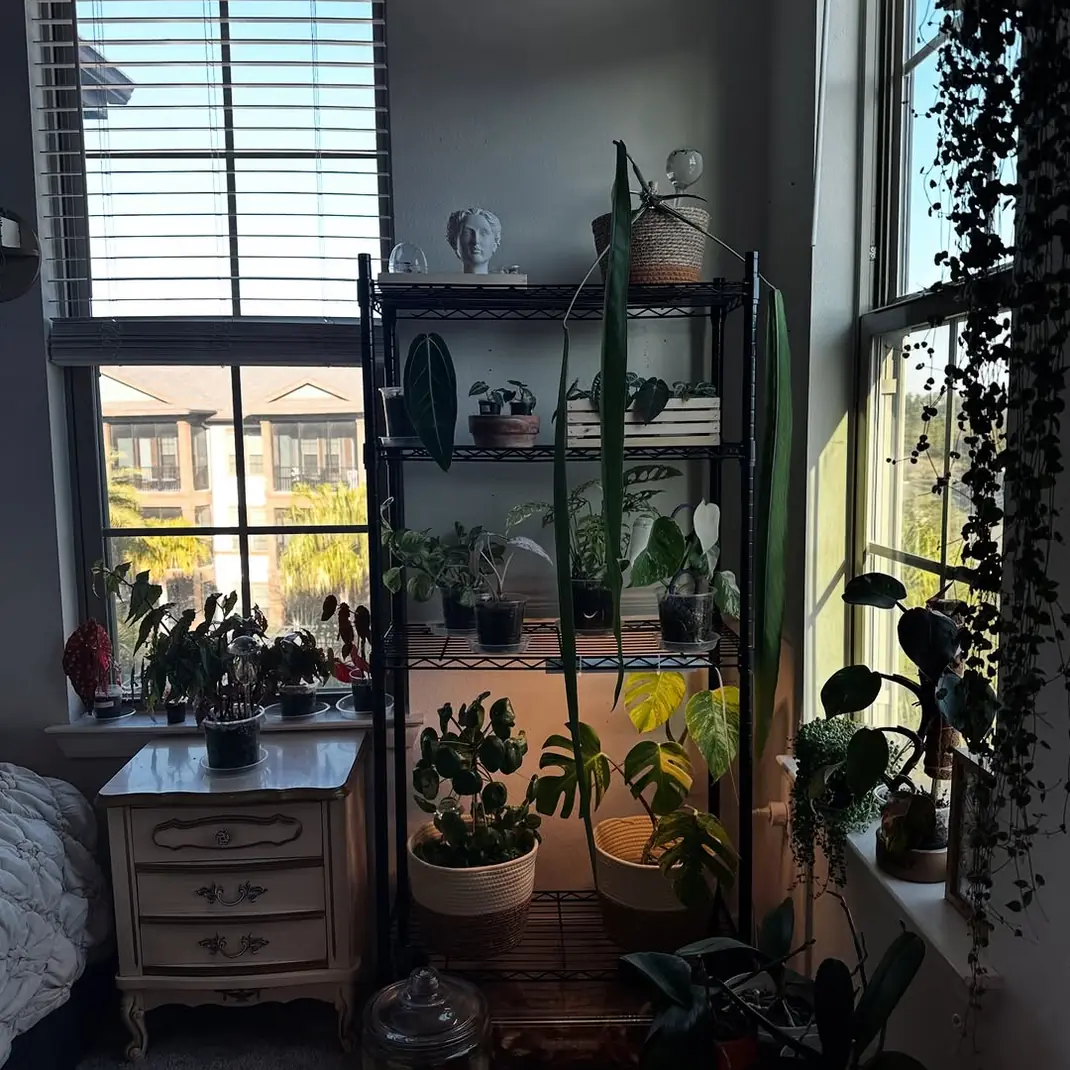
Greenery makes a bedroom feel calm and lived in. Snake plants and ZZ plants tolerate low light, but both are toxic to cats and dogs. Spider plants are generally considered non toxic to pets.
Place a pot of about 8 to 10 inches wide on a stool or low stand. Faux vines suit shelves where light is poor. Wipe faux leaves with a damp cloth every month to remove dust.
Add a saucer under live plants to protect wood floors. Keep soil dry enough to prevent gnats near the bed.
Secondhand Nightstand Makeover
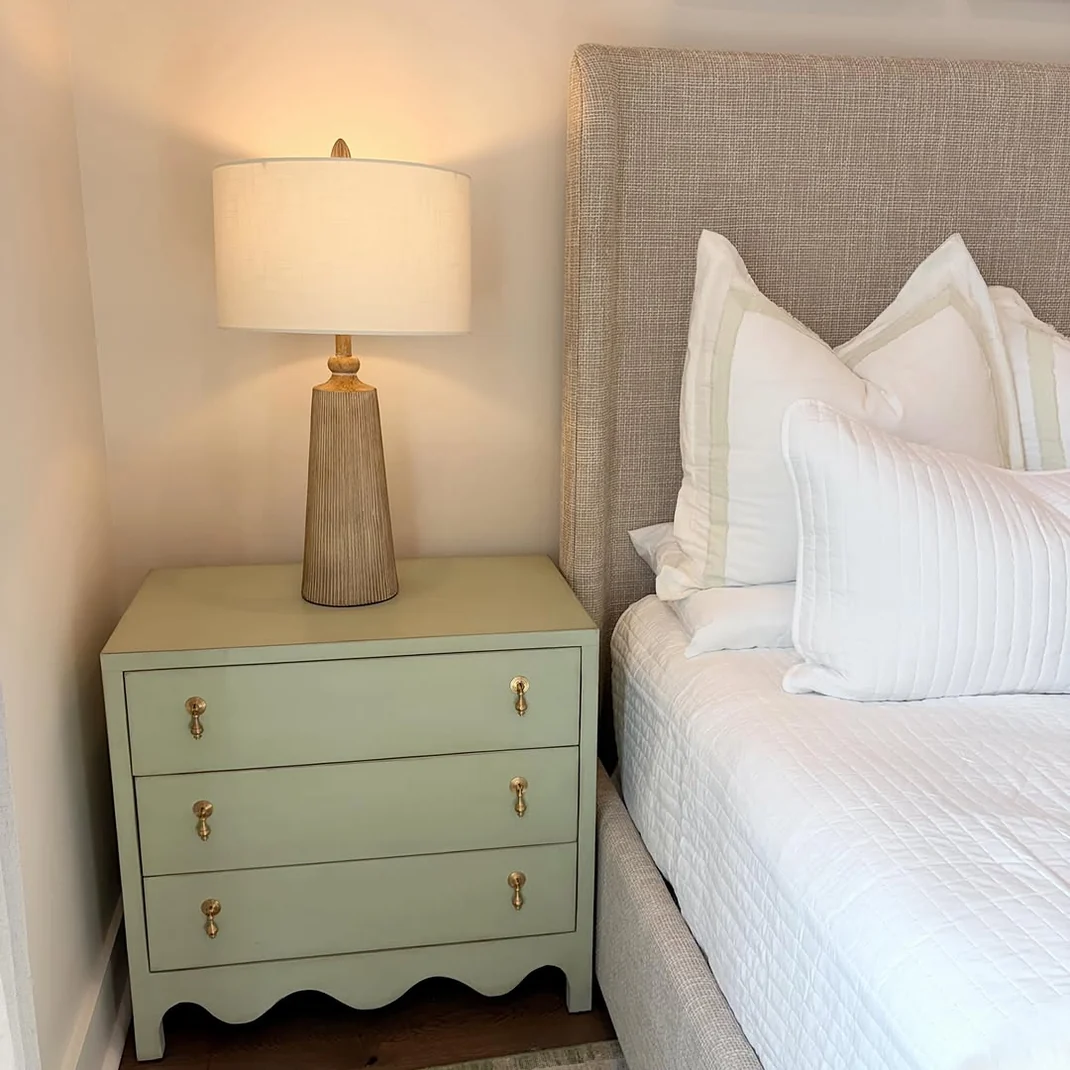
A thrifted nightstand can match any bedroom after a little sanding and paint. Look for a piece about 24 inches tall to sit level with the mattress. Sand glossy finishes lightly so primer can grip.
Apply a bonding primer, then two thin coats of paint. Seal the top with a clear water based topcoat to resist rings. Replace the pulls for a coordinated look with the dresser.
Add felt pads under the lamp base to protect the finish. Check that drawers glide smoothly and that the piece does not wobble.
Fabric Backdrop Hung Behind the Bed

A fabric backdrop adds softness without the weight of a wooden headboard. Cut or hem a length of linen about 60 inches wide and 90 inches tall. Slip it over a wooden rod and hang it from two sturdy wall hooks.
Anchor the hooks into studs, since anything over a bed must hold firmly. Skip heavy decor on the rod to avoid overloading the hooks. Choose natural, breathable fabric that falls in soft folds.
Keep the hem about 6 inches above the mattress to prevent tangles. Launder the fabric a few times a year, following its care label.
Rug Layering on Bare Floors

Rugs make bare floors feel warm underfoot. A 5 by 8 foot rug fits a twin or full bed, while an 8 by 10 foot rug suits a queen. Place the rug so at least 18 to 24 inches shows on each side of the bed.
Layer a smaller soft rug on top of a flat woven one for depth. Use a thin non slip pad underneath to keep edges from curling. Choose low pile textures to avoid tripping at night.
Vacuum weekly and shake smaller rugs outdoors. Rotate the rugs once a season to even out wear.
Warm LED String Light Glow
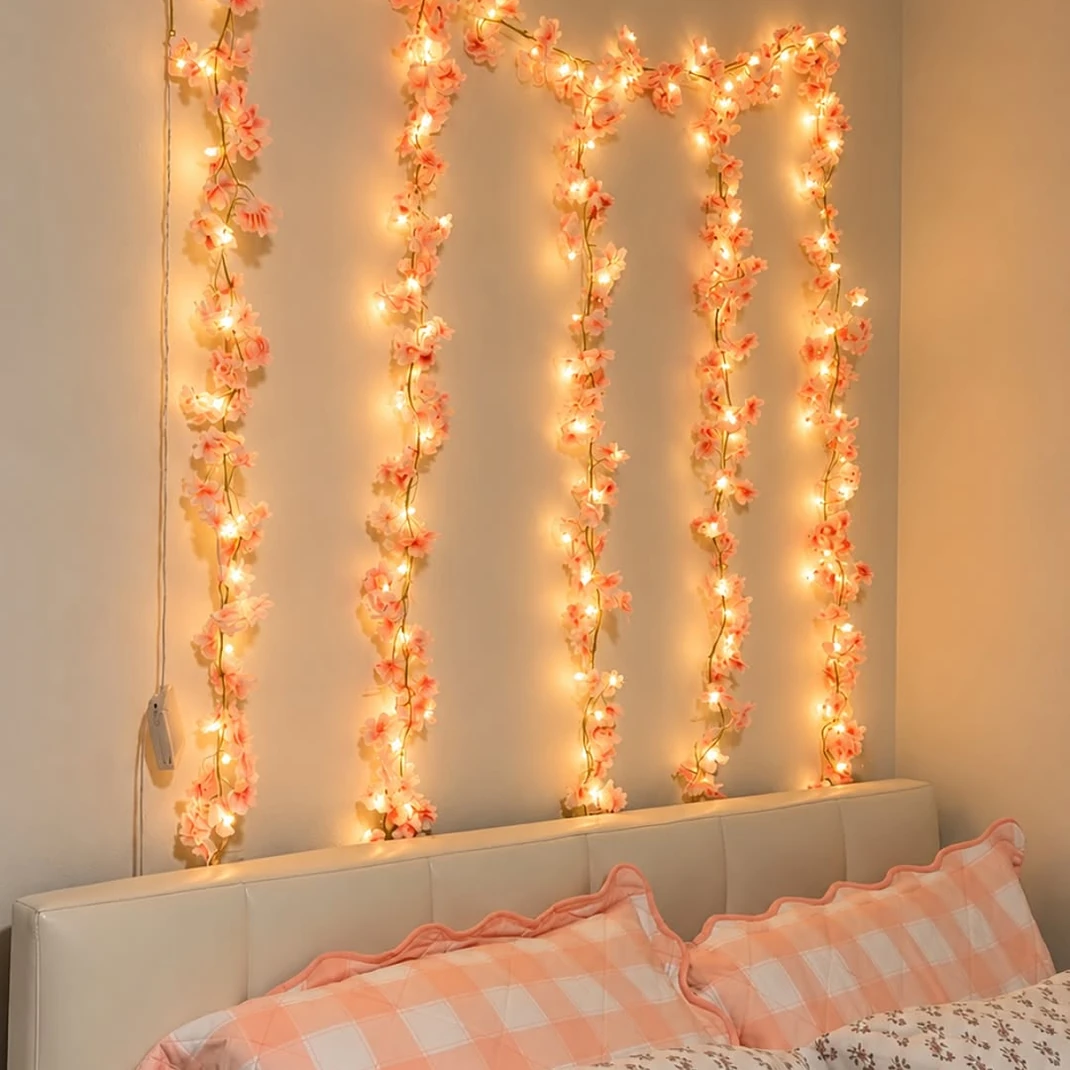
String lights add a gentle evening glow to a plain bedroom wall. Choose a battery or plug in LED set rated for indoor use. A strand of 10 to 16 feet covers a headboard wall.
Attach the strand with clear adhesive clips, not nails. Keep the lights away from curtains and bedding, since fabric near heat is a risk. Pick warm white bulbs for a relaxing tone.
Add a timer so the lights switch off after bedtime. Replace sets that flicker or feel hot to the touch.
Floating Shelves From Lumber Boards
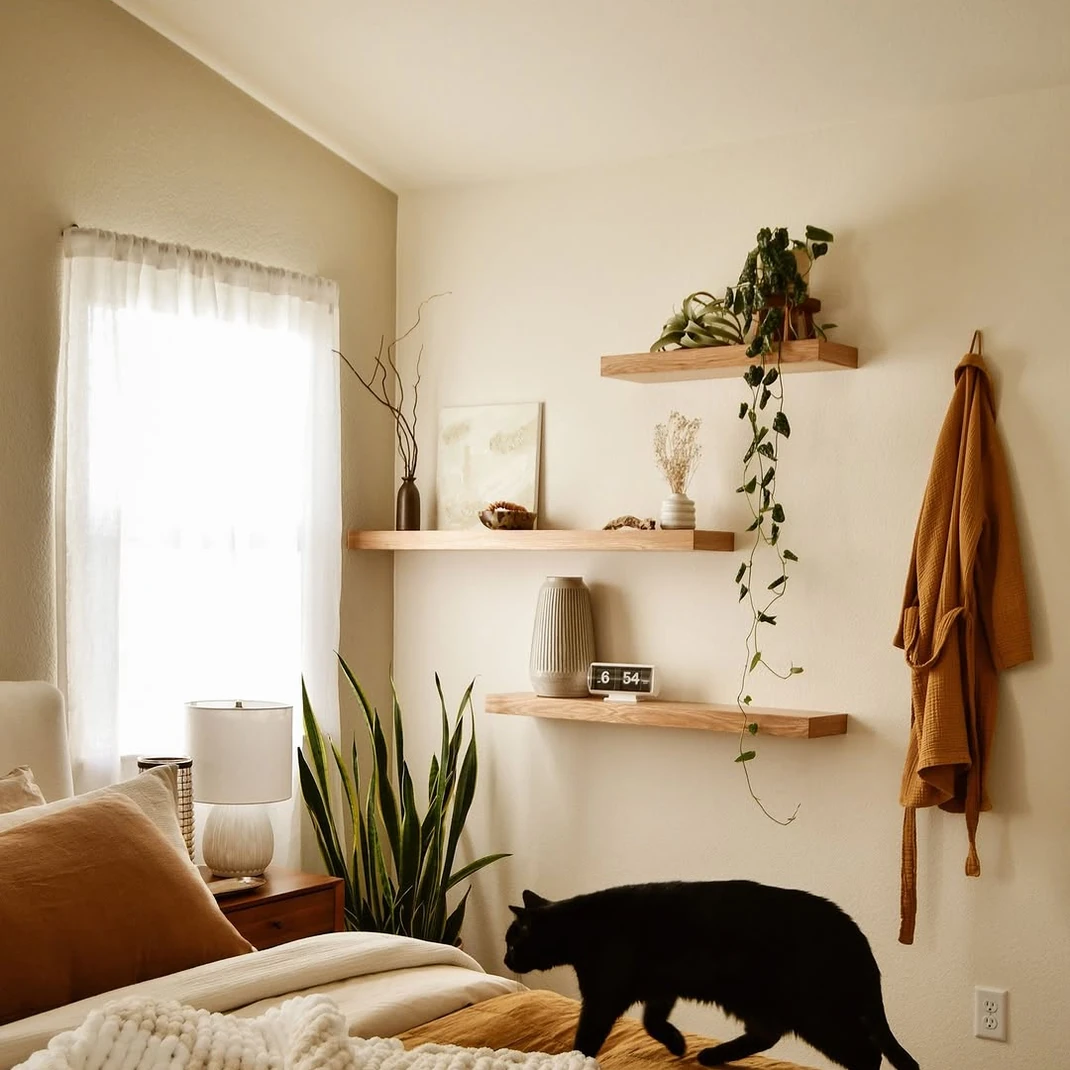
Plain lumber turns into sturdy shelves with a few brackets. Cut a pine board to 36 inches long and 8 inches deep. Sand it smooth and stain or paint it to match the room.
Mount hidden brackets into studs for the best hold. Keep loads light, such as books and framed prints, unless the brackets say otherwise. Check the shelf with a level before tightening the final screws.
Leave about 12 inches between shelves for taller books. Avoid placing shelves directly above the pillow area.
Handmade Abstract Canvas Art

A hand painted canvas makes a one of a kind focal point. Pick a stretched canvas of about 24 by 36 inches for a bed wall. Mix two or three colors that already appear in the bedding.
Use a wide brush or a plastic card to spread wide strokes. Let each layer dry before adding another. Seal the canvas with clear varnish for protection.
Hang it on two hooks anchored into studs for safety over the bed. Keep the center about 8 inches above the headboard.
Pillow Cover Swap for Each Season

Pillow covers let a bed change with the season for very little effort. Buy covers one size smaller than the insert, such as an 18 inch cover for a 20 inch insert, for a full look. Choose lighter linen and cotton for spring and summer.
Switch to velvet and knit covers when the weather cools. Wash covers separately in cold water to protect color. Store the unused set in a breathable bag.
Look for hidden zippers so the sleeping surface stays smooth. Match one accent color across the room to tie it together.
Trays That Tame Surfaces

Trays group small items so a dresser looks styled and tidy. A tray of 12 to 14 inches holds perfume, jewelry and a small dish. Place a battery operated candle in the tray instead of a flame.
Leave at least half of the dresser top empty for breathing room. Rotate items in the tray as the seasons change. Wipe the tray with a soft cloth each week.
Keep a second tray inside a drawer for cables and chargers. Choose a tray with a lip to hold items in place.
Upcycled Bench at the Foot of the Bed
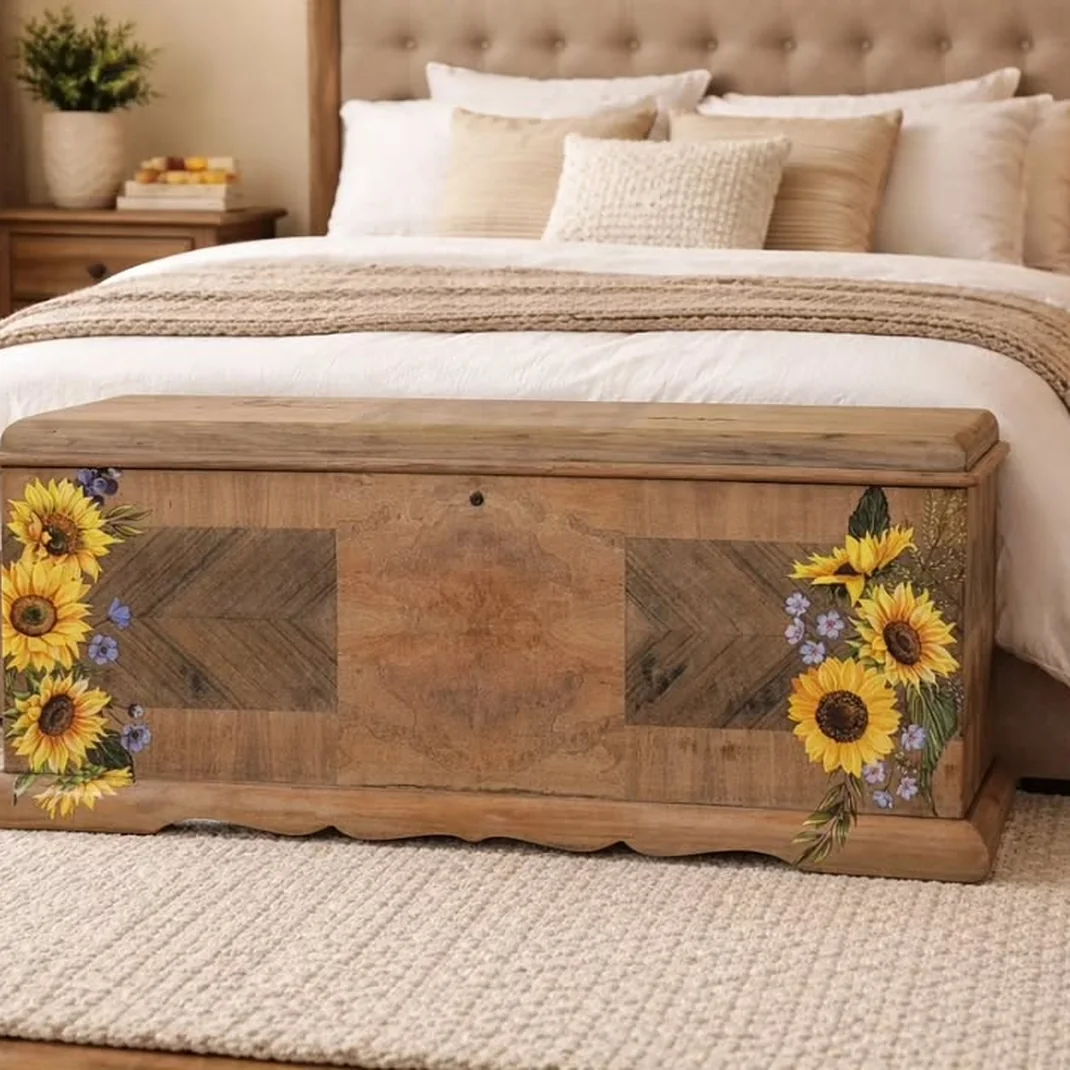
A bench at the foot of the bed adds seating and storage. Look for a piece about 40 to 48 inches long and 16 to 18 inches tall. Sand and refinish the frame to match the bedroom.
Cut a 2 inch foam pad to size and wrap it in linen. Secure the cushion with a staple gun on the underside. Leave at least 24 inches between the bench and the wall for a clear walkway.
Store folded blankets under or beside the bench. Check legs regularly for loose joints.
Dried Branch Vase Display
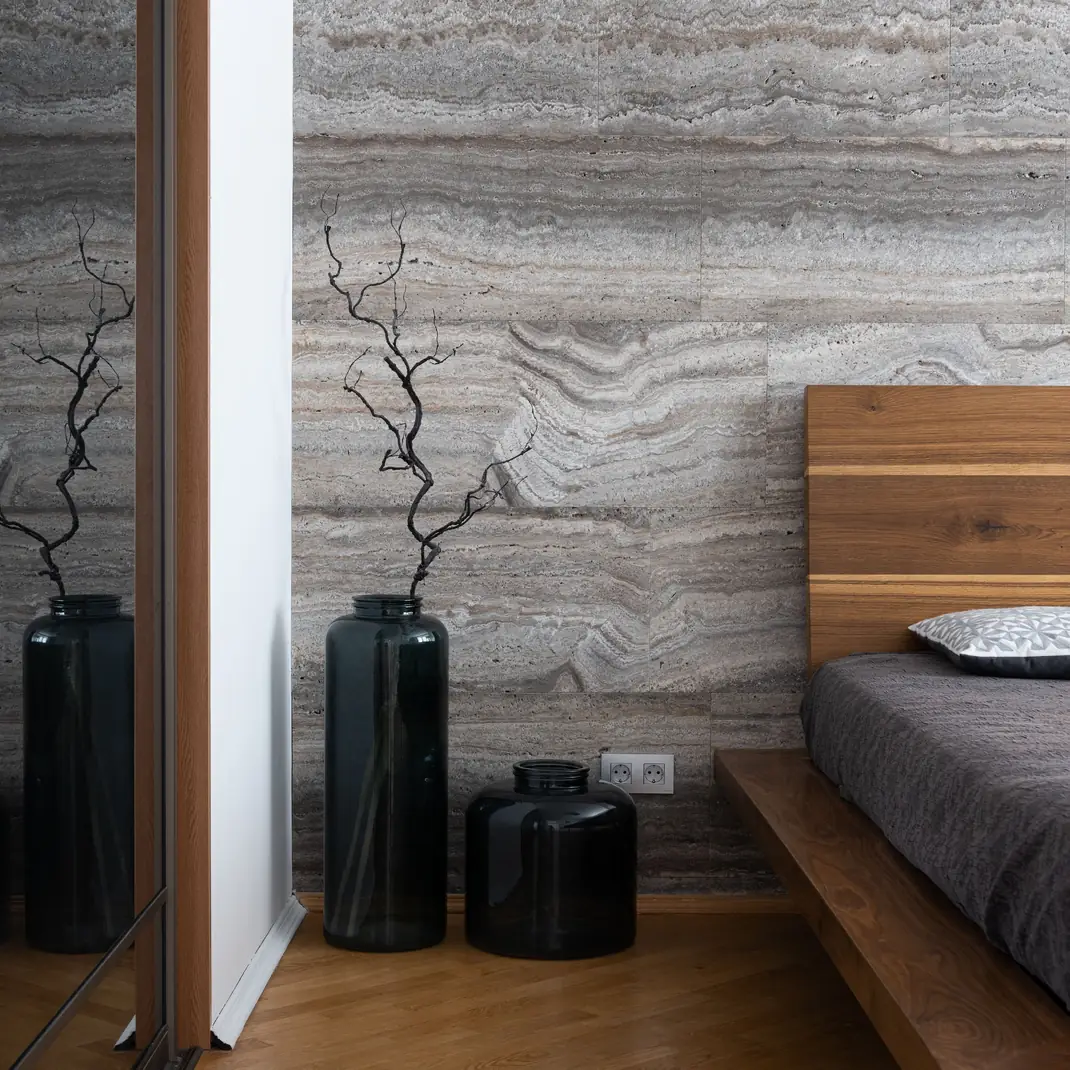
Dried branches bring a natural, sculptural touch to a corner. Cut branches of 36 to 48 inches from a yard where permitted. Let them dry in a cool, airy spot for a few weeks.
Use a heavy vase so the arrangement does not tip. Skip leaves that shed to keep floors clean. Keep dried stems away from candles and heaters.
Spray the stems lightly with clear sealer to hold their shape. Replace the display once it becomes brittle.
A cluster of three to five stems looks fuller than a single branch. Add a few cotton stems or wheat for a softer texture.
Weekend Bedroom Refresh Plan
This order of steps keeps the work organized and the room usable each night. A quick refresh also works room by room using bedroom refresh ideas.
- Clear the floor and surfaces, then donate or store anything unused.
- Paint the accent wall and let it dry fully before moving furniture back.
- Refinish the nightstand or dresser while the paint cures.
- Hang the mirror, shelves and art with studs or proper anchors.
- Layer the rug, bedding and pillow covers.
- Add lighting and greenery, then check cords and plant placement.