
18 Winter Bedding Ideas for Warm and Restful Sleep Nightly
Sleep quality drops when a bed feels cold or too heavy. Winter bedding works best when each layer has a clear job, from the sheet to the cover on top. These 18 ideas look at fabrics, fills, weights and care so you can choose with confidence. Each includes real sizes and washing tips.
Flannel Sheets With a Good Weight
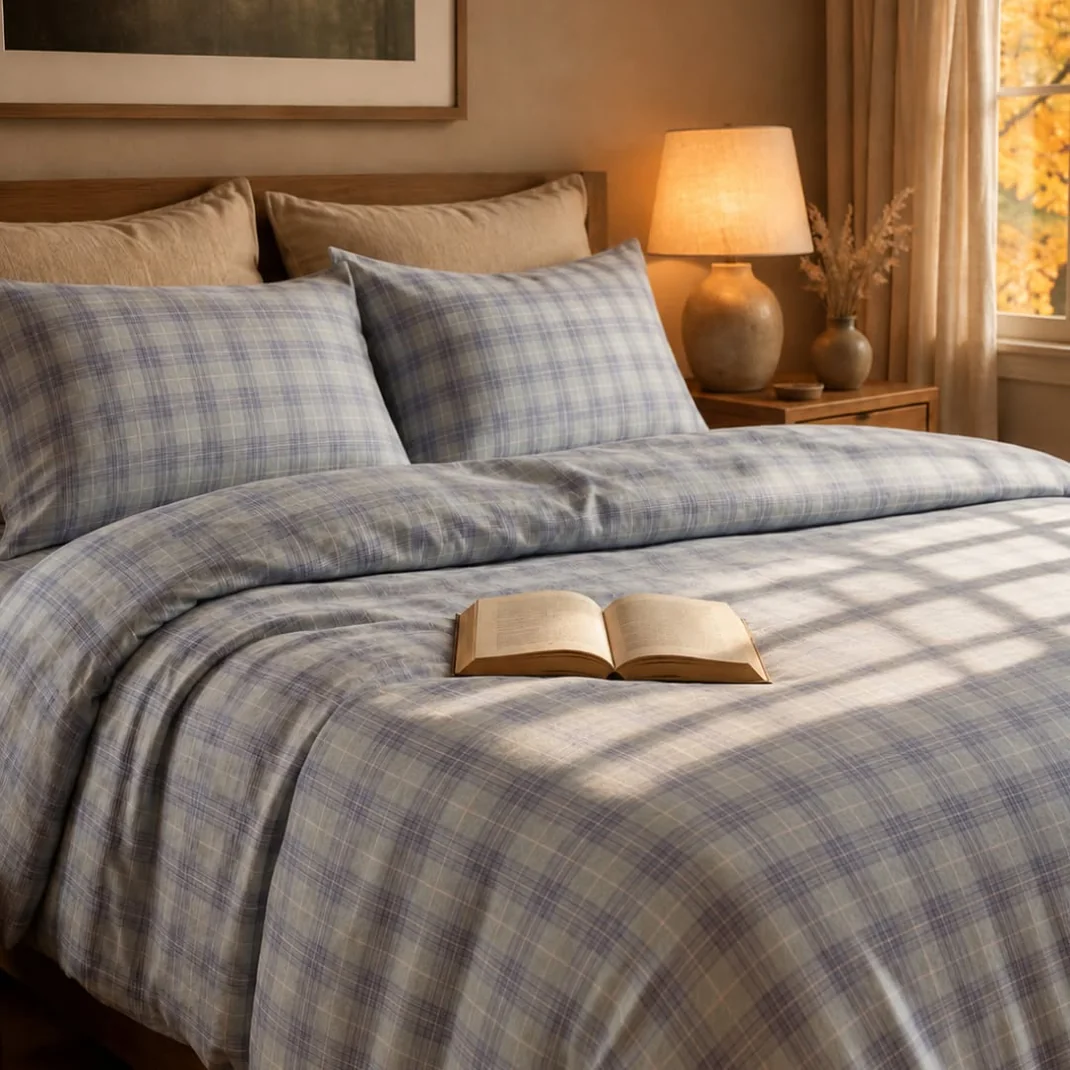
Flannel is cotton that has been brushed to raise a soft nap, which traps warm air. Look for a weight of 170 to 190 grams per square meter for a reliable winter set. Heavier flannel feels warm but can pill if the quality is low. Choose single color or fine stripes for a calm look. Wash before first use in warm water with a mild detergent. Dry on low heat and shake out to restore the brushed surface. Replace sets once the nap becomes thin.
Brushed Cotton Jersey for Easy Comfort

Jersey sheets feel like a favorite t shirt. The knit fabric stretches around the mattress and feels warm to the touch. Check the pocket depth of the sheet matches your mattress, for example 14 inches for a deep mattress. Choose a heathered grey for a cozy look. Wash cool and dry on low to prevent shrinking. Avoid bleach because it weakens knit fibers. Jersey can pill, so choose combed cotton. Pick a thickness of around 150 grams per square meter for a good balance of warmth and softness. Fold the sheet around the mattress corners for a snug fit.
A Wool Filled Comforter

Wool is naturally breathable and handles changes in body temperature well. A wool filled comforter of 400 to 500 grams per square meter suits most winter bedrooms. Use a cotton cover for protection and ease of washing. Air the comforter each month. Spot clean or follow the care tag. Avoid washing wool filling in a normal machine. Check for mothproofing if storing it. Pick a size one step larger than your mattress for a plush drape. Add a lightweight cover with ties so the comforter stays in place and the filling spreads evenly throughout the night.
A Down Alternative Duvet by Warmth Level
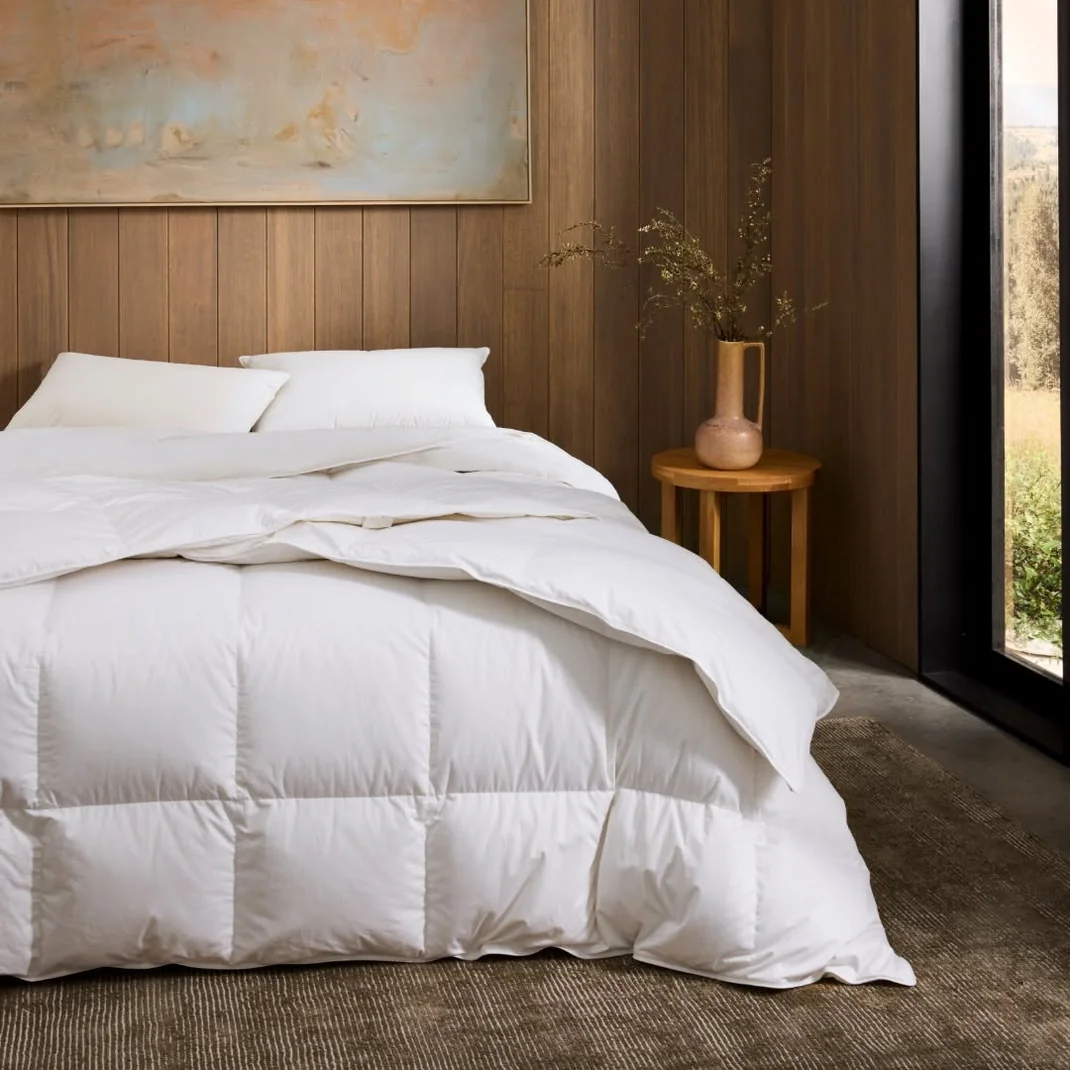
Duvets are rated by warmth, often with a tog scale. A rating of about 10 to 13.5 tog is typical for winter, while 4 to 7 suits summer. Choose a down alternative if you have allergies. Pick a size larger than the bed for a generous drape. Check the stitching style since baffle boxes keep fill from shifting. Wash according to the label. Shake it daily to keep the fill even. Many retailers list warmth as a rating on the label. Check it against your room temperature, since an unheated room needs more insulation than a warm apartment.
A Snap Together Duvet Set

A three season system pairs two duvets with snaps or ties. Use the light layer in spring and autumn, then join both for winter. This approach saves storage space. Make sure the snaps are at the corners and sewn well. Fasten both layers inside a cover to stop slipping. Wash each layer separately. Store the unused layer in a cotton bag. Try the pair on the bed before the first cold week. Adjust the layers by day, taking one off if you feel too warm in the evening.
A Quilted Mattress Pad

A quilted pad adds a soft, insulating layer beneath the sheets. Choose a pad with pockets that match your mattress depth. The cotton surface keeps the bed from feeling cold. Look for a fill that is breathable rather than heavy. Wash every month in warm water. Dry fully to prevent damp spots. Replace the pad when it flattens. Pull the pad tight so it does not bunch under you. Look for stretchy skirts that reach 16 inches for thicker mattresses.
Linen Sheets Layered for Winter

Linen feels cool in summer but warms up well when layered with wool. Combine linen sheets with a wool blanket and a quilt for a relaxed look. It becomes softer with washing. Pick a mid weight of about 150 grams per square meter. Wash gently and line dry. Do not iron if you like the rumpled style. Keep a spare set to rotate. Layer a cotton flat sheet on top for extra insulation. Choose neutral tones such as oatmeal or stone to pair well with wool throws and keep the bed calm.
A Fleece Blanket as a Middle Layer

A fleece blanket adds loft at a low price. Place a 60 by 80 inch fleece between the top sheet and the duvet. You can also borrow ideas from cozy bedroom styling. It works in a pinch for guests. Choose a recycled polyester option if available. Wash on a cool cycle to avoid melting fibers. Skip fabric softener. Replace the blanket when it mats. Tuck the edges in so the blanket stays in place. Use a flat sheet on top to keep the fleece off your skin if you find it warm.
A Textured Quilted Coverlet

A coverlet adds a tailored finish and a light layer of warmth. Choose a quilt with diamond or channel stitching in cotton or linen. Lay it over the duvet at the foot. A king size measures about 108 by 96 inches. Wash on a gentle cycle in cool water. Tumble dry on low with dryer balls. Fold it back at night. Keep a spare one in the guest room for visitors. Press the coverlet with a steamer to smooth the folds before guests arrive.
Pillow Protectors and Fill Choices
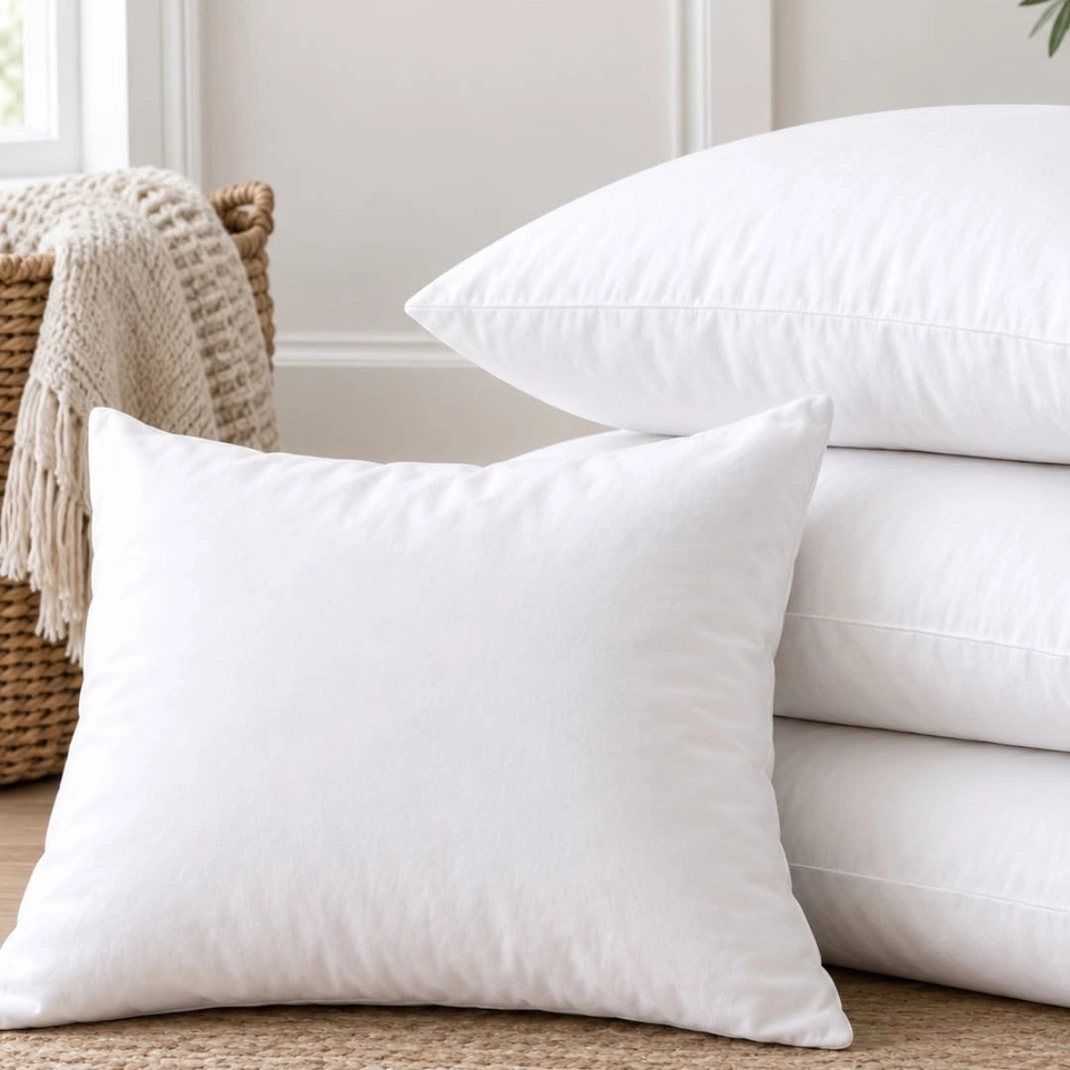
Pillow protectors keep out dust and allow you to wash less often. Fit a zip protector under each pillowcase. Choose a fill that suits your sleep position: firm for side sleepers and medium for back sleepers. Wash protectors monthly. Replace pillows every two years. Fluff pillows daily. Choose fabrics with a tight weave so they block dust well. Look for a zipper closure rather than a flap for a secure fit. Wash them at 140°F if the label allows to reduce dust mites. Dry them completely before returning them to the pillow.
A Satin Pillowcase for Dry Winter Air

Winter air dries hair and skin, and satin helps reduce friction. Choose a polyester satin or a silk pillowcase with an envelope closure. Silk is a natural option but needs more care. Keep colors neutral. Wash according to the tag, typically by hand or on a delicate cycle. Air dry for longevity. Change the case every few days. Pair the pillowcase with a gentle night cream routine. Keep a second case on hand for travel or guests, and wash it by hand with mild soap.
A Merino Wool Blanket

Merino wool is fine and soft, making it ideal against the skin. Choose a blanket of about 50 by 70 inches in a neutral tone. It regulates body heat and resists odors. Fold it in thirds for display. Hand wash in cool water with wool detergent. Dry flat away from direct heat. Avoid hanging it when wet. Add a small lavender sachet to the blanket when storing it. Lay it flat in a breathable bag to protect the fibers from moths.
A Duvet Cover With a Sherpa Side

A reversible duvet cover gives two bedding styles. One side is smooth cotton for mild nights and the other is sherpa for the coldest. Choose a cover with button or zipper closure. Select the size to match your duvet. Wash the cover on a gentle cycle. Do not tumble dry on high heat. Turn it over each week for even wear. Check that the sherpa lining is firmly stitched so it does not shed. Brush the surface gently after washing to restore its loft.
An Electric Blanket Under the Sheet
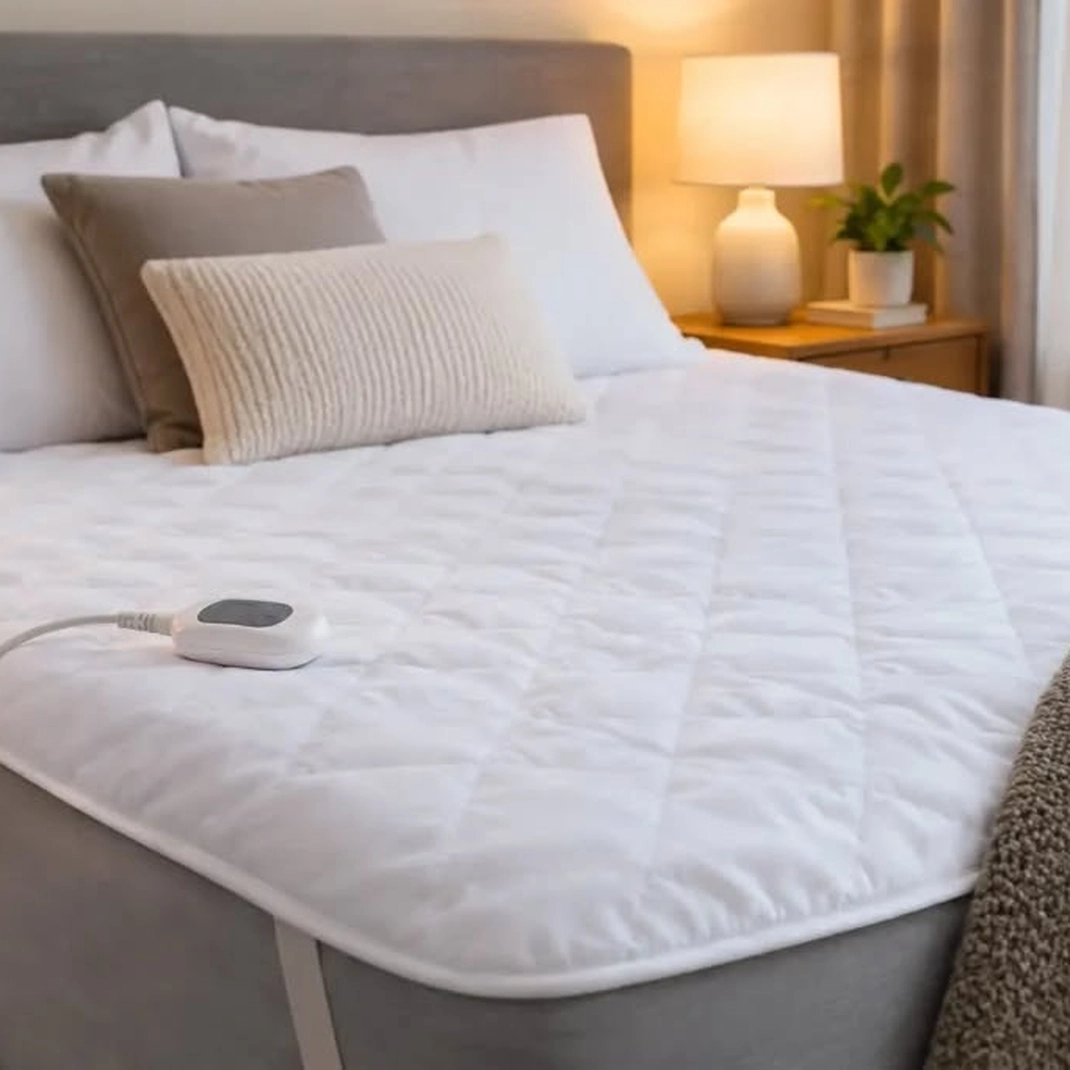
An electric underblanket warms the mattress before you get in. Place it on the mattress under the fitted sheet, and use the control to preheat for 30 minutes. Turn it to low or off when in bed unless the manual says otherwise. Choose a model with automatic shut off. Inspect cords and replace the blanket after ten years. Never use a damaged blanket or fold it while on. Store it flat or loosely rolled. Keep the control away from the pillow area and switch it off if you leave the house. Register the product so you receive safety notices.
Deep Blue and Charcoal Duvet Covers

Deep colors suit winter. A navy or charcoal duvet cover with white pillows gives a rich, restful look. Wash dark covers inside out in cold water. Dry on low to keep the color. Test for color bleeding in the first wash. Separate from light fabrics. Add one lighter cushion for contrast. Dry dark covers inside out in the shade to limit fading. Pair them with a soft grey throw to keep the palette calm and balanced. This idea also works well alongside blue bedroom styling.
A Weekly Winter Bedding Routine

Bedding works hardest in winter, so a routine pays off. Wash sheets weekly and pillowcases twice a week if you have oily skin or dry hair products. Wash duvets and comforters every two to three months. Dry them thoroughly with dryer balls. Do not overload the machine, as heavy bedding needs space. Use the highest safe heat for dust mites if the label allows. Rotate two sets so one is always ready. Hang winter bedding outdoors for an hour on dry days to freshen the fabric. Add wool dryer balls to speed drying and keep the fill fluffy.
Storing Light Bedding Until Summer

Putting light bedding away reduces clutter. Wash the summer sets, dry them completely and fold them into a cotton or canvas storage bag. Add a cedar block or lavender sachet. Store the bag on a high shelf. Avoid plastic bags that trap moisture. Check the bag in spring for pests. Label the bag by size. Mark the date on the bag when you pack it. Check bags for holes each year and store them away from heat sources and damp walls.
A Microwavable Flax Seed Warmer
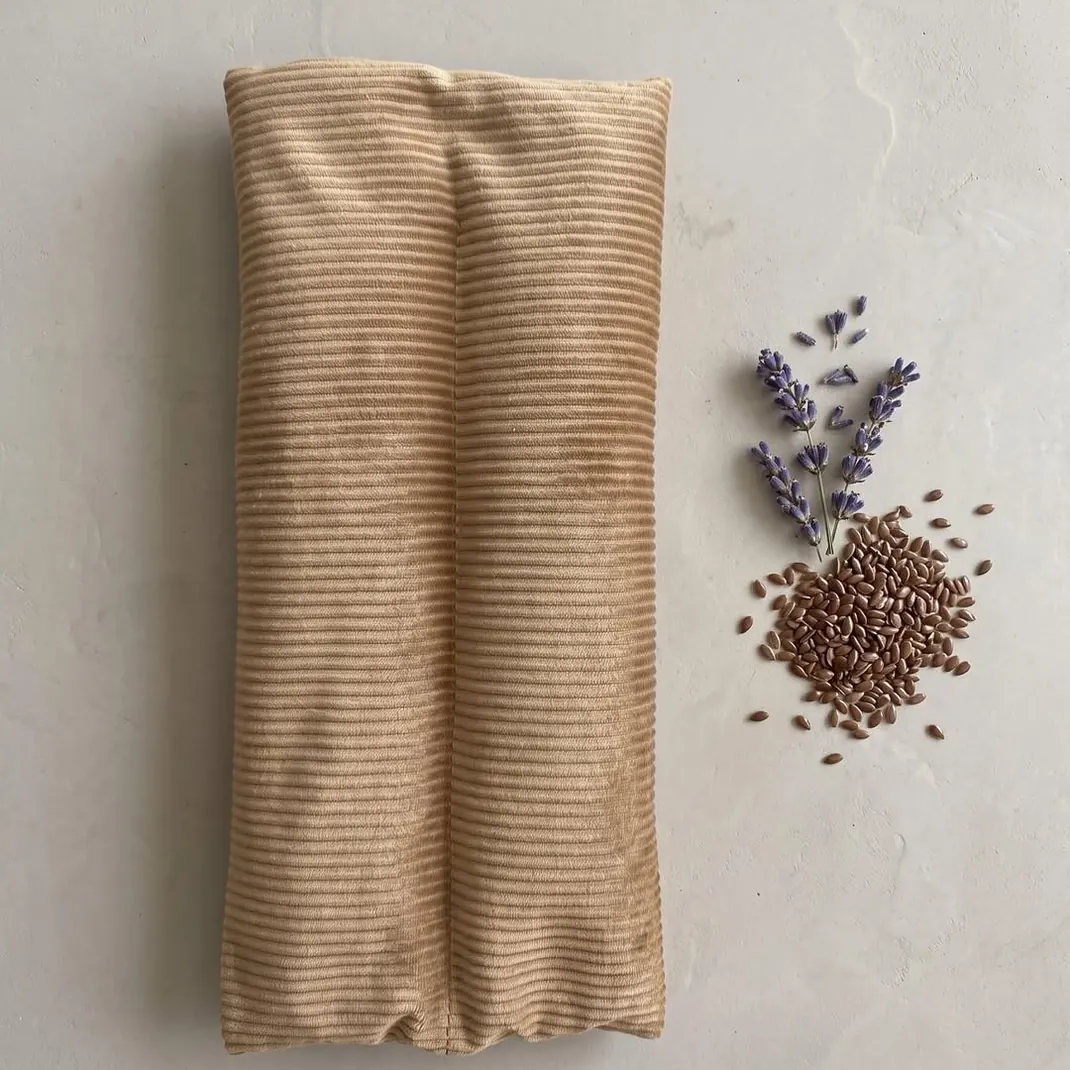
A flax seed bag gives gentle, moist heat. Warm a fabric bag of about 12 by 6 inches in the microwave for 60 to 90 seconds and slide it under the covers. It stays warm for around half an hour. Choose a cotton cover with a zipper. Test the temperature on your hand before use. Never overheat the bag, as seeds can scorch. Store it dry in a drawer. Test the temperature on your wrist before getting in. Keep it away from young children.