
18 Kitchen Table Centerpiece Ideas for Everyday Meals
Most centerpiece advice is written for holiday dinners. A kitchen table needs something different. It has to look good on a Tuesday, survive homework and be easy to move when the food arrives.
The 18 ideas below are made for daily use. Each one has sizes, placement rules and care or safety notes so your centerpiece stays pretty and practical.
1. Follow the Twelve Inch Rule
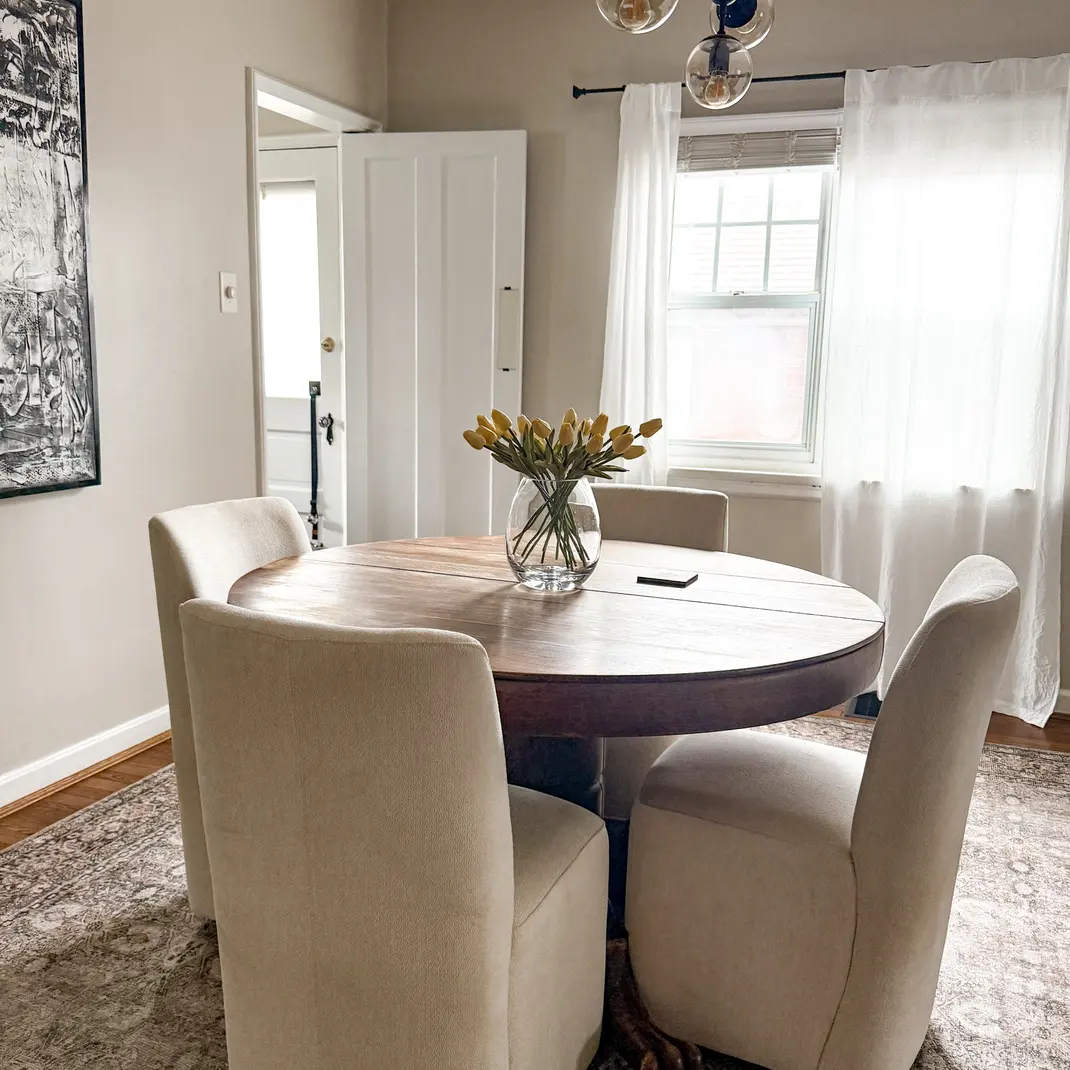
The best everyday centerpiece never blocks conversation. Keep anything on the table under 12 inches tall so people can see each other across it. Limit the width to about one third of the table so plates and elbows still fit.
For a table that seats four, a group 10 to 14 inches wide works well. Place it in the middle and lift it off when you eat if it takes too much space. Test it by sitting in each chair. If you have to lean to see someone, trim the height. This one rule makes every other idea here easier to get right.
2. Choose a Tray to Group Small Items
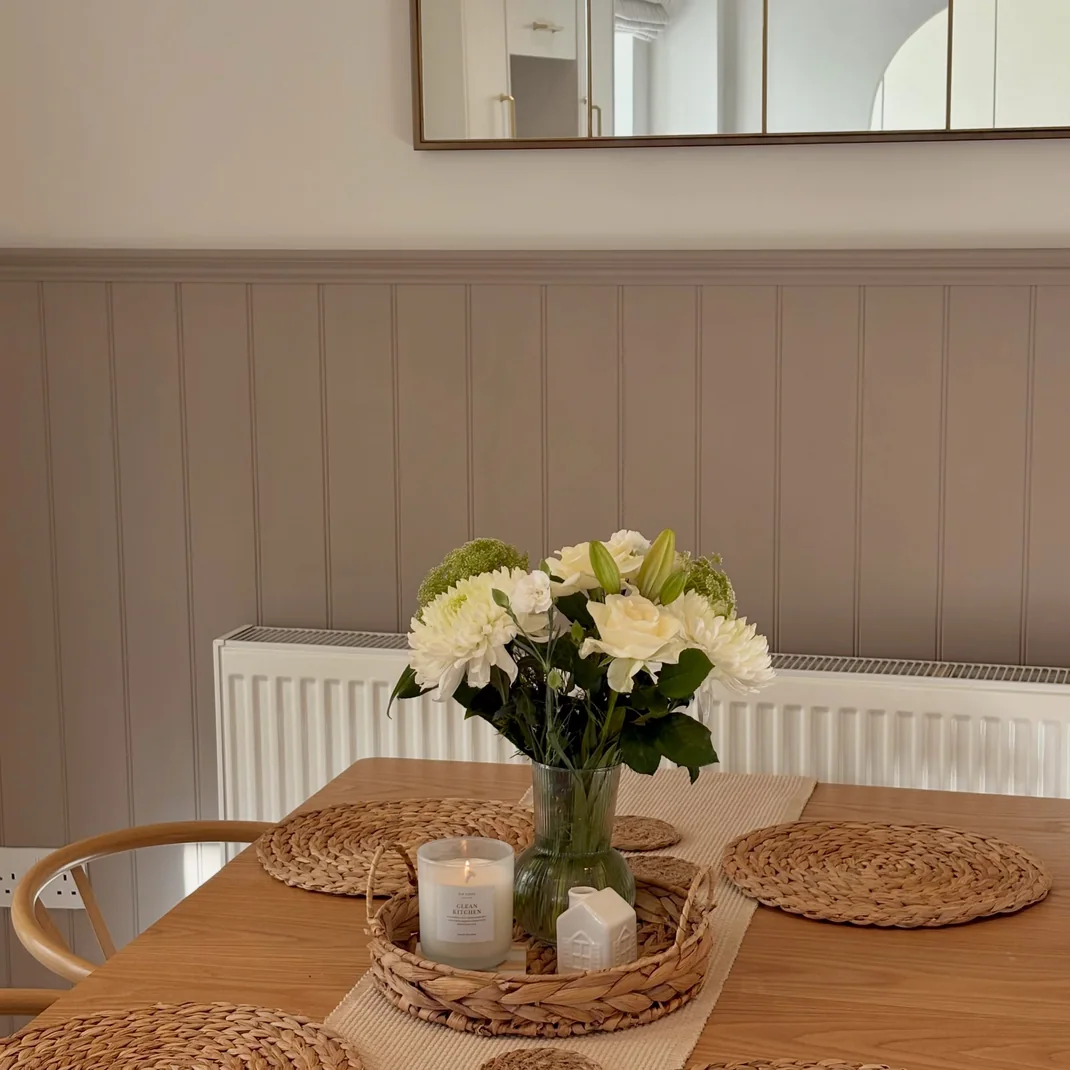
A tray turns loose objects into one centerpiece you can lift in a second. Choose a round or oval tray 14 to 18 inches wide with a low lip so it holds condiments and a candle without tipping. Wood suits warm kitchens while metal gives a lighter touch. Fill it with salt, pepper, a small vase and one candle.
Wipe the tray weekly and use felt pads underneath if your table is wood. At mealtime carry the tray to the counter so you have the full surface. A tray also keeps the table tidy between meals. For a related setup on larger surfaces, see these kitchen island styling ideas.
3. Fill a Wooden Bowl with Seasonal Produce
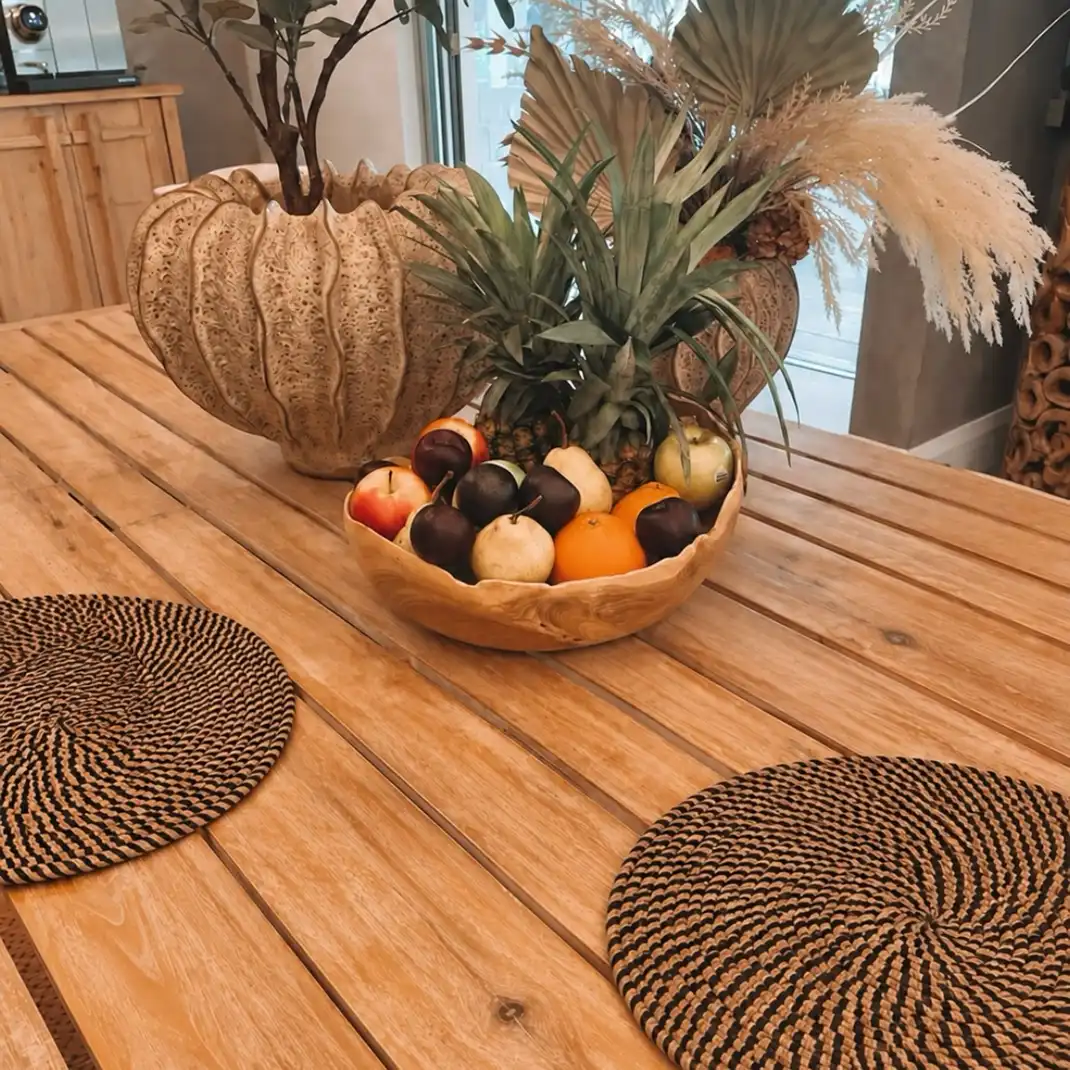
A bowl of fruit is the easiest centerpiece because you use it all week. Choose a wide shallow bowl 10 to 12 inches across in wood or ceramic. Use apples and pears in autumn and lemons in summer and avoid bananas since they ripen other fruit quickly.
Wash the bowl weekly and replace any soft fruit at once. Keep the bowl out of direct sun to slow spoilage. A bowl of lemons also doubles as a splash of color on a neutral table. Because the food gets eaten the display refreshes itself naturally.
4. Place a Single Stem in a Bud Vase

A bud vase is a small and affordable way to bring flowers to daily meals. Choose a vase 4 to 6 inches tall and put a single stem in it. Tulips, ranunculus and branches of eucalyptus work well. Group three vases of different heights along the middle of the table for a casual row.
Change the water every two days and trim the stems at an angle. Keep vases away from the edge of the table and out of reach of small children. Because they take little space bud vases suit small tables and families who eat quickly.
5. Use a Linen Runner as the Base
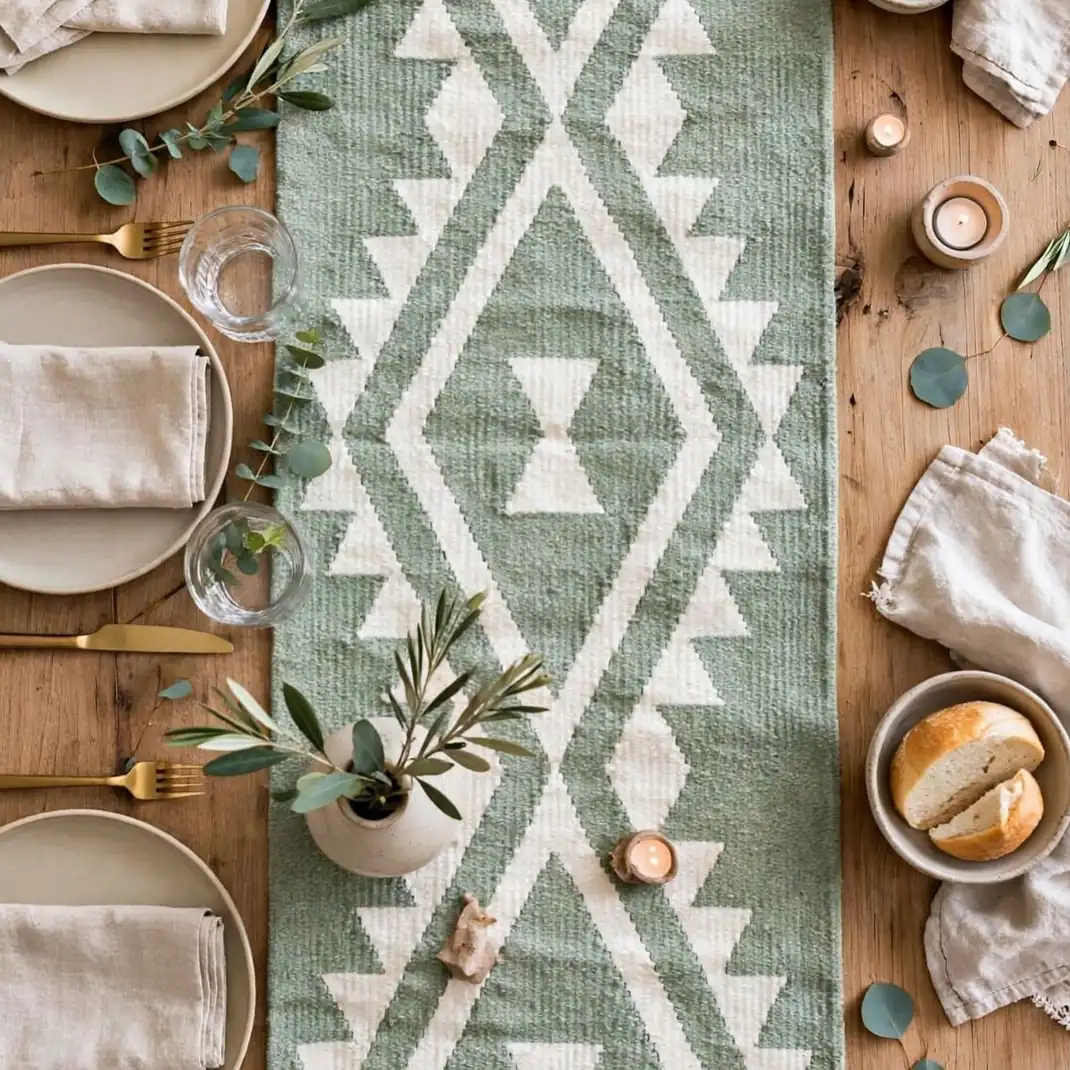
A runner defines the centerpiece area and protects the table. Choose linen or cotton 12 to 14 inches wide and long enough to hang over each end by 6 to 10 inches. Place one item at each end and one in the middle so the line feels balanced. Neutral colors suit most kitchens while a stripe adds light pattern.
Wash the runner every two weeks and iron it flat. Remove it during homework or messy meals. A runner makes even a very simple centerpiece look finished and keeps the table from feeling bare.
6. Set a Pair of Candlesticks
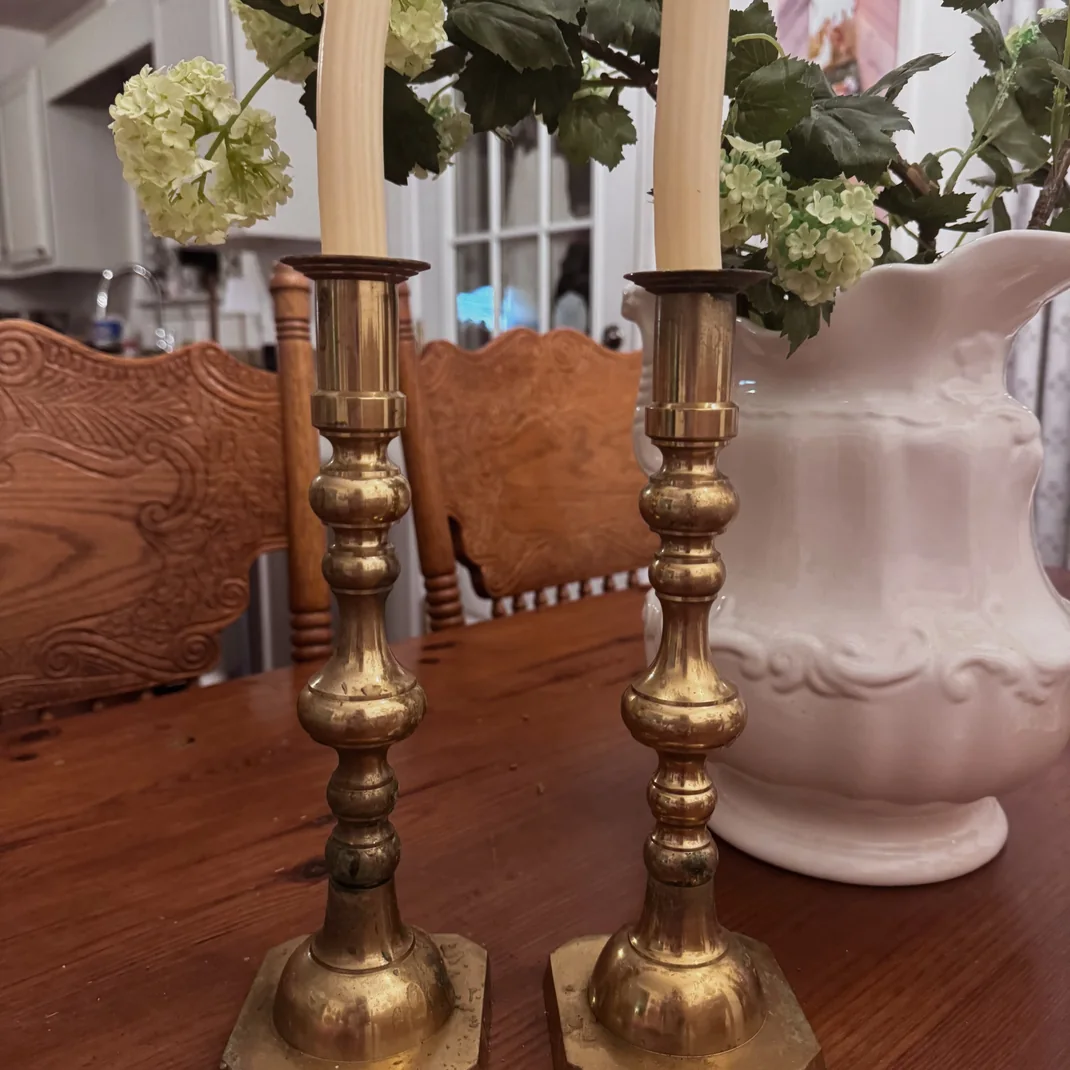
Candles bring calm to ordinary meals. Use a pair of candlesticks 6 to 10 inches tall in wood, brass or ceramic and place them at the middle of the table. Choose unscented tapers so the candles do not compete with food. Keep flames at least 12 inches from cloth and paper. Trim wicks to a quarter inch and never leave a lit candle unattended.
Flameless versions are a safe alternative for families with young children. Light them for dinner only and snuff them out afterward. A pair gives symmetry and signals that the meal is worth slowing down for.
7. Grow Herbs in a Long Planter

A planter of herbs is a centerpiece you can eat. Choose a trough 14 to 18 inches long with a saucer and plant basil, parsley and thyme. Keep it on the table only during meals if the spot lacks light and move it to a sunny sill afterward. Herbs need at least 4 hours of sun.
Water when the top inch of soil feels dry and pinch the tips to encourage growth. Replace tired plants and wash the saucer monthly. Snipping a leaf straight into dinner connects the table to the cooking and keeps the display fresh.
8. Try a Cake Stand for Height
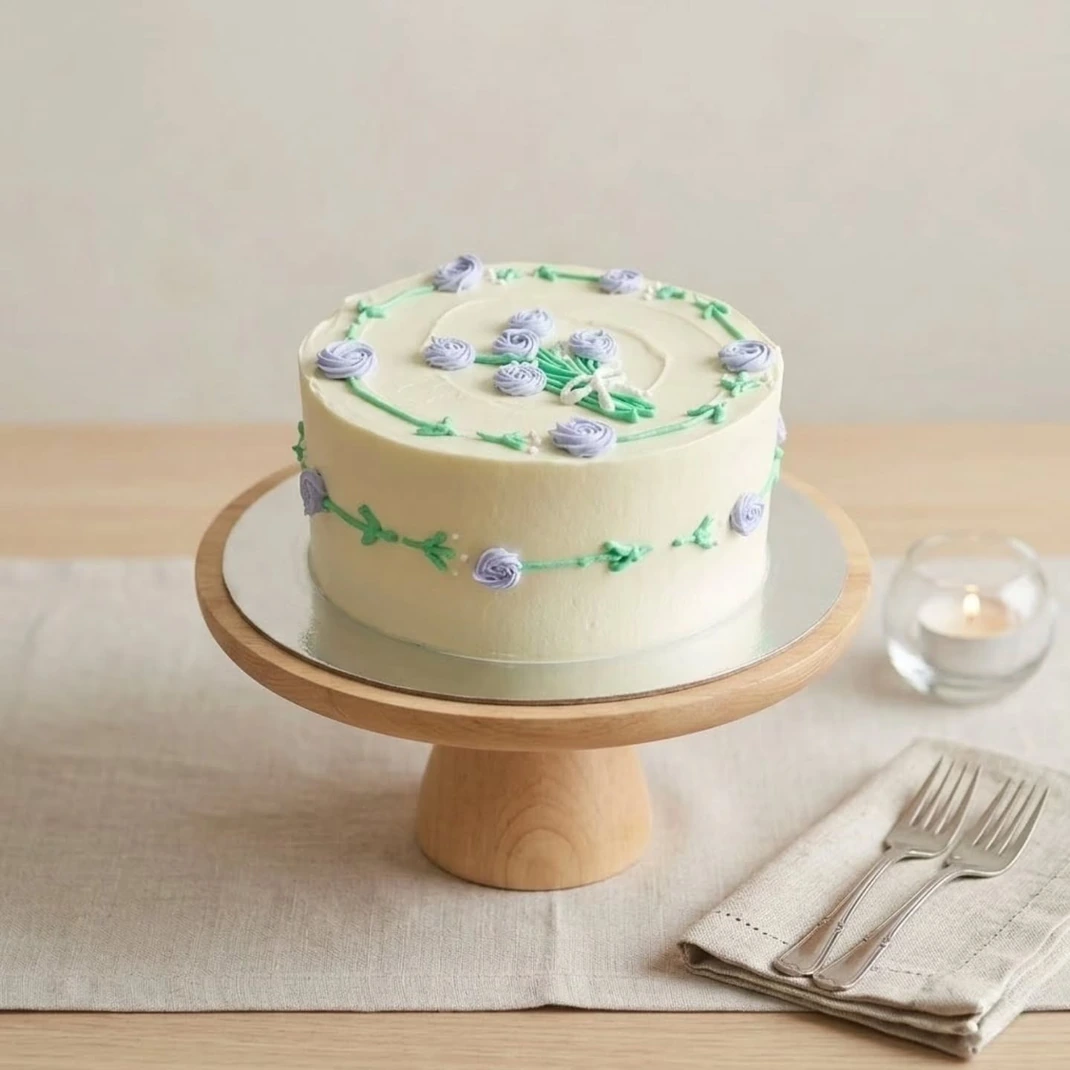
A stand creates height without taking up a lot of surface. Choose one 8 to 10 inches wide and place a few lemons, a small candle or a plant on it. When a loaf or muffins appear on the table the stand serves them as well. Wipe it weekly and keep it away from the edge.
Use a glass dome only when it holds food and replace perishables within two days. The extra height adds interest to a flat table and keeps the centerpiece from looking like a flat row of objects.
9. Style a Pitcher of Branches

Branches are a free and long lasting centerpiece. Cut a few from the garden in winter or spring and place them in a pitcher 8 to 10 inches tall. Vary the lengths and keep the tallest within 14 inches above the table. Pussy willow, dogwood and forsythia bloom indoors in water.
Change the water every week and trim the base of each stem. Check that branches have no insects before bringing them in. A pitcher of branches adds texture and shape and works with every season, which makes it ideal for a table you use daily.
10. Collect Mismatched Jars and Bottles

Recycled glass makes a relaxed and thrifty centerpiece. Collect clean bottles and jars in a similar color such as clear or green and group three to five in different heights. Remove labels by soaking in warm soapy water and rub off the glue with oil. Put a stem in each or leave a few empty for shape.
Group them on a tray to keep the table tidy. Wash them every few weeks. Keep the display low so it does not block the view. The imperfect shapes bring character and make the table feel collected over time.
11. Create a Ceramic Cluster
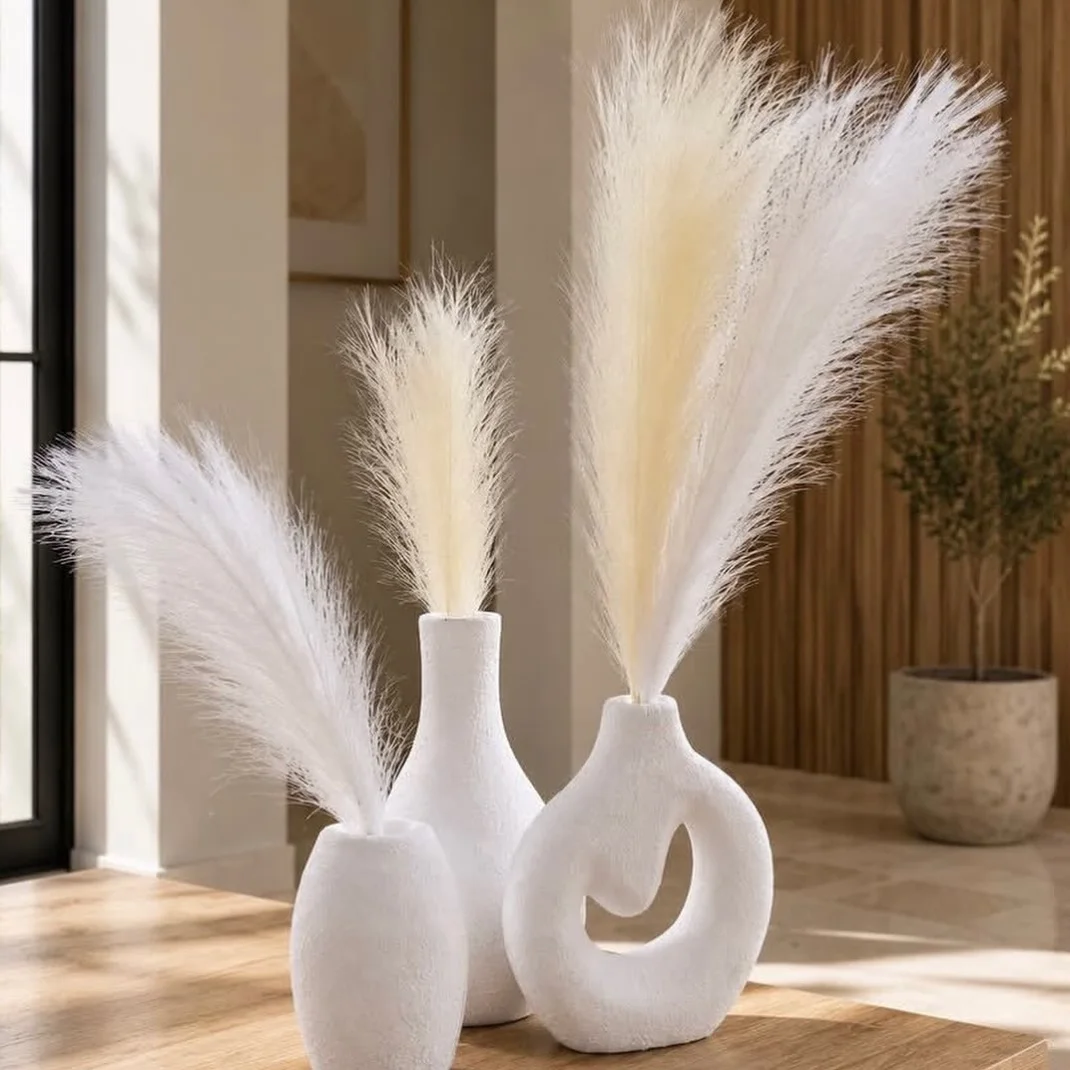
A trio of ceramic pieces in one color family looks calm and modern. Choose a tall jug, a medium bowl and a small pot in cream, grey or soft terracotta. Odd numbers feel more natural than pairs. Put dried grasses in the jug and leave the others empty.
Group them close in the middle of the table with 1 to 2 inches between the pieces. Dust them monthly and wash them when needed. Ceramics need no care and no replacement, so this idea suits busy households that want a quiet table.
12. Display a Stack of Cookbooks
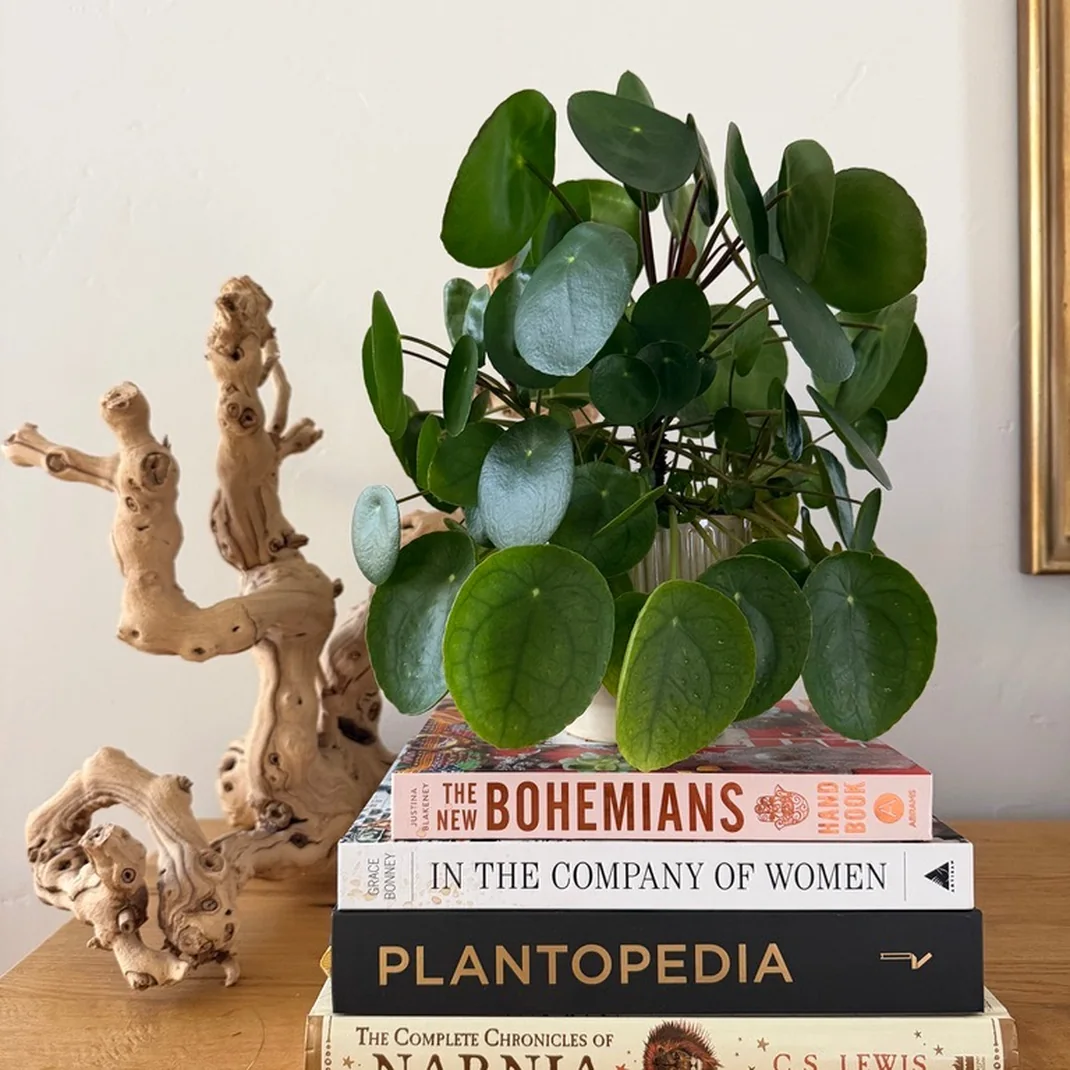
A short stack of books adds height and personality. Choose two or three cookbooks with attractive spines and stack them with the largest on the bottom. Add a small plant, a candle or a bowl on top. Keep the stack under 8 inches and push it away from the edge. Wipe the covers with a dry cloth. Swap the books with the seasons so there is always one you want to cook from.
Keep the stack away from where food is served so spills do not reach the pages. This setup is useful because it makes recipes easy to reach.
13. Use Place Settings as the Centerpiece
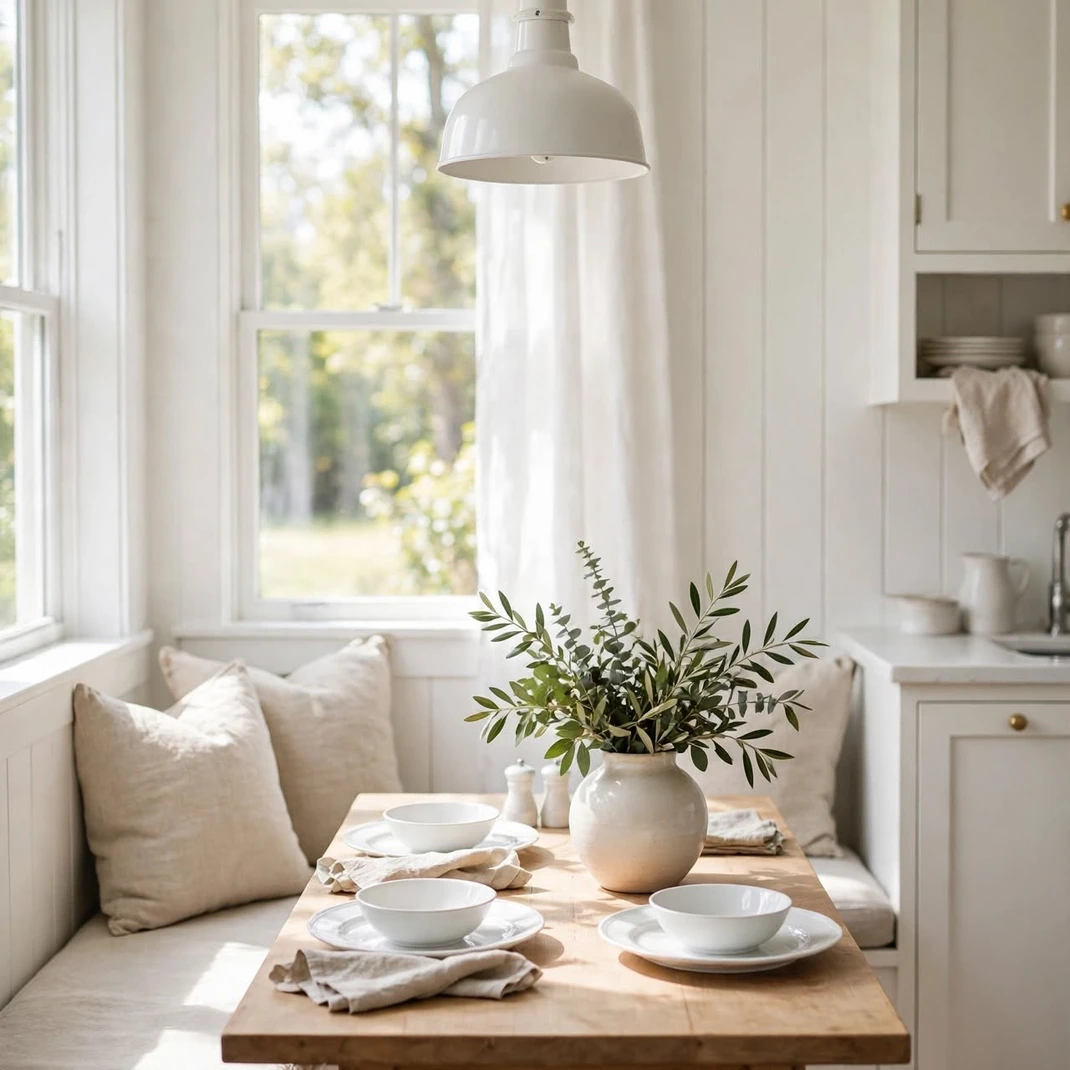
Sometimes the best centerpiece is the table setting itself. Use linen napkins, wooden bowls and simple glasses in a consistent color. Fold napkins in thirds and place them on each plate with a sprig of rosemary. Keep the middle of the table clear for dishes. Choose washable napkins and launder them after each use.
This approach suits small tables where there is no room for a vase. It also shows that the table is for eating first. A thoughtful setting makes weekday dinners feel intentional without adding any extra decor.
14. Light the Table with a Lantern
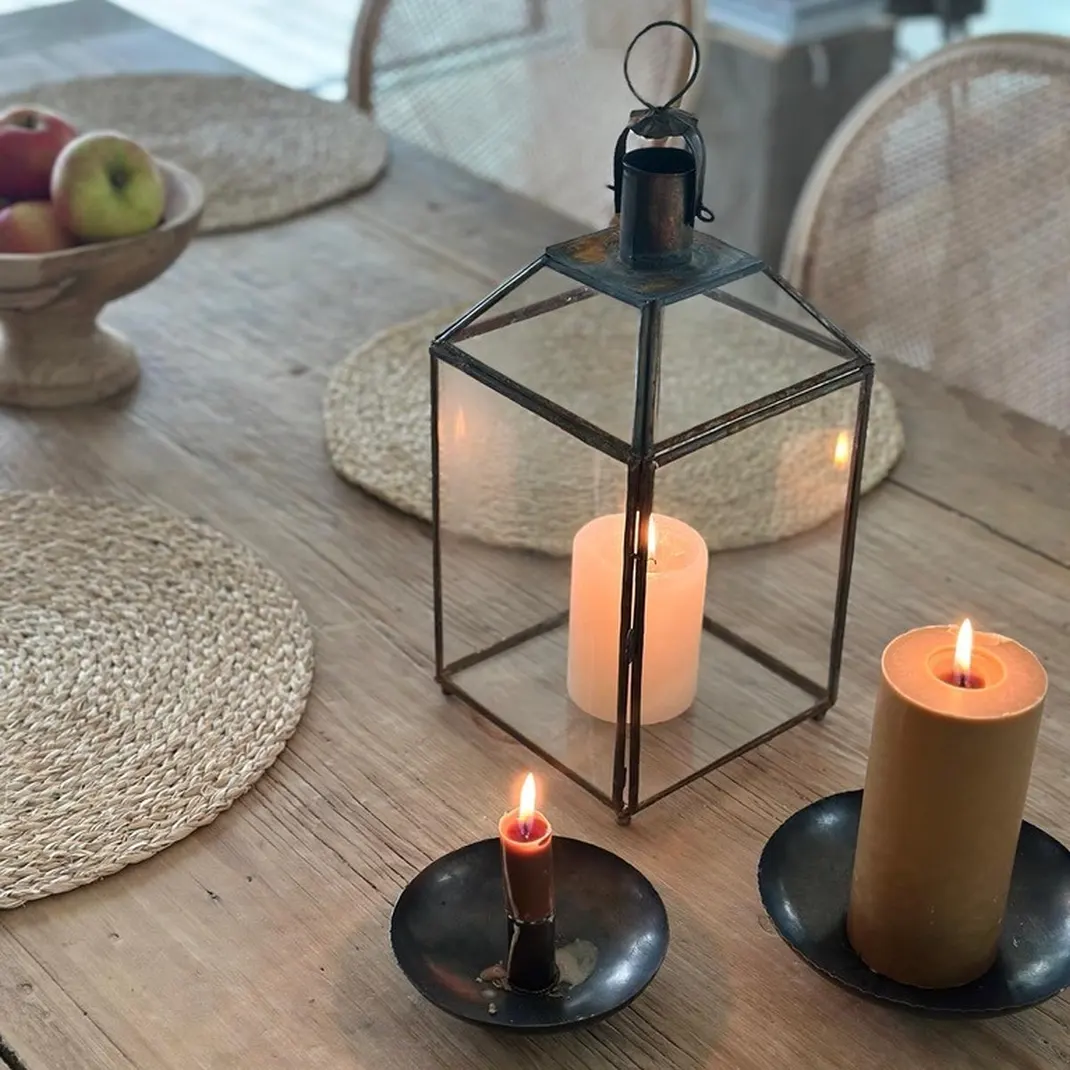
A lantern gives warm light and protects the flame. Choose one 8 to 12 inches tall in black metal, wood or glass and place a pillar candle inside. Set it in the middle of the table or at one end. Use a flameless candle if you eat with young children or pets nearby. Keep the lantern away from curtains and paper.
Wipe the glass monthly and clean wax with a plastic scraper. The lantern creates a cozy glow for evening meals and works inside or outside, so you can carry it onto a patio when the weather is warm.
15. Add Texture with a Woven Placemat or Trivet
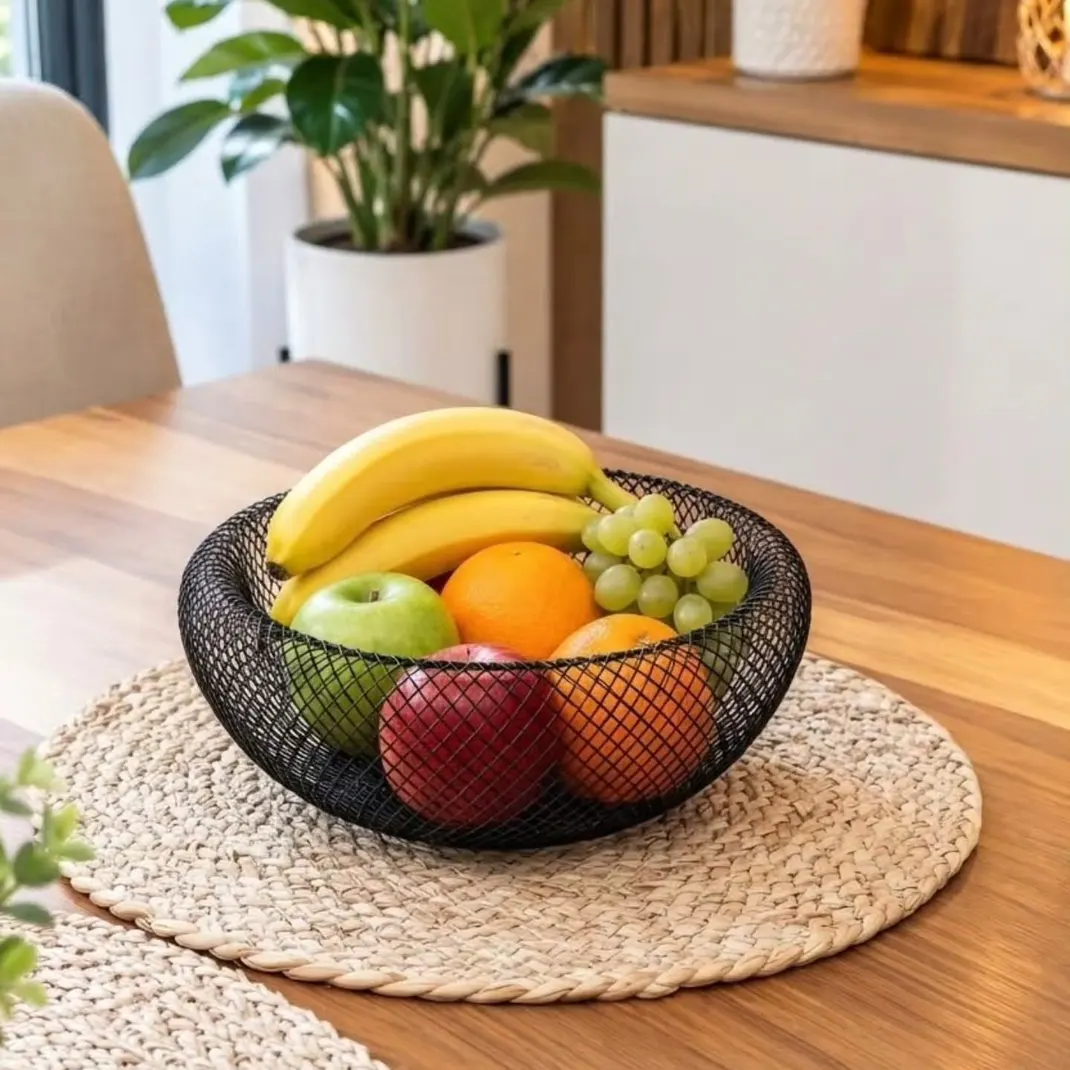
A woven base adds texture and protects the table. Use a rattan, jute or seagrass mat 10 to 14 inches wide under your main centerpiece. It lifts a bowl or a vase visually and absorbs small spills. Choose a neutral color so it works with all seasons. Shake the mat weekly and wipe it with a damp cloth.
Do not put hot pots on natural fibers unless the label says it is safe. A woven layer makes the centerpiece feel anchored and adds warmth to a smooth table.
16. Rotate a Seasonal Group
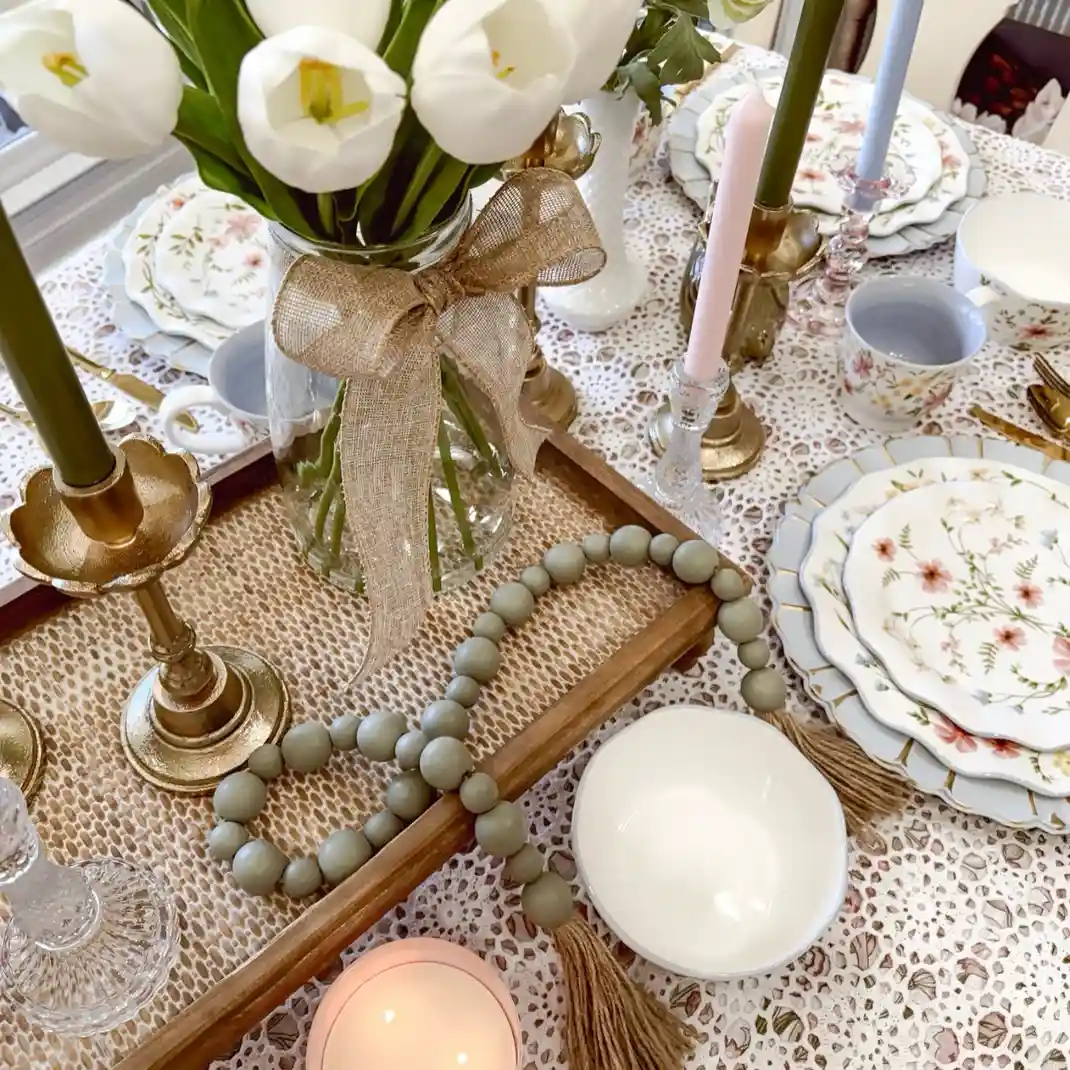
A seasonal swap keeps the table from looking stale. Keep a base such as a tray or runner and change only the top layer. Use tulips in spring, lemons and herbs in summer, mini pumpkins in autumn and pinecones or evergreen in winter. Store seasonal pieces together in a labeled box. Review the table on the first day of each season and clear anything that has outstayed its welcome.
Keep changes small so the work takes ten minutes. The small shift makes the whole kitchen feel connected to the time of year without any big expense.
17. Make a Centerpiece the Kids Can Help With
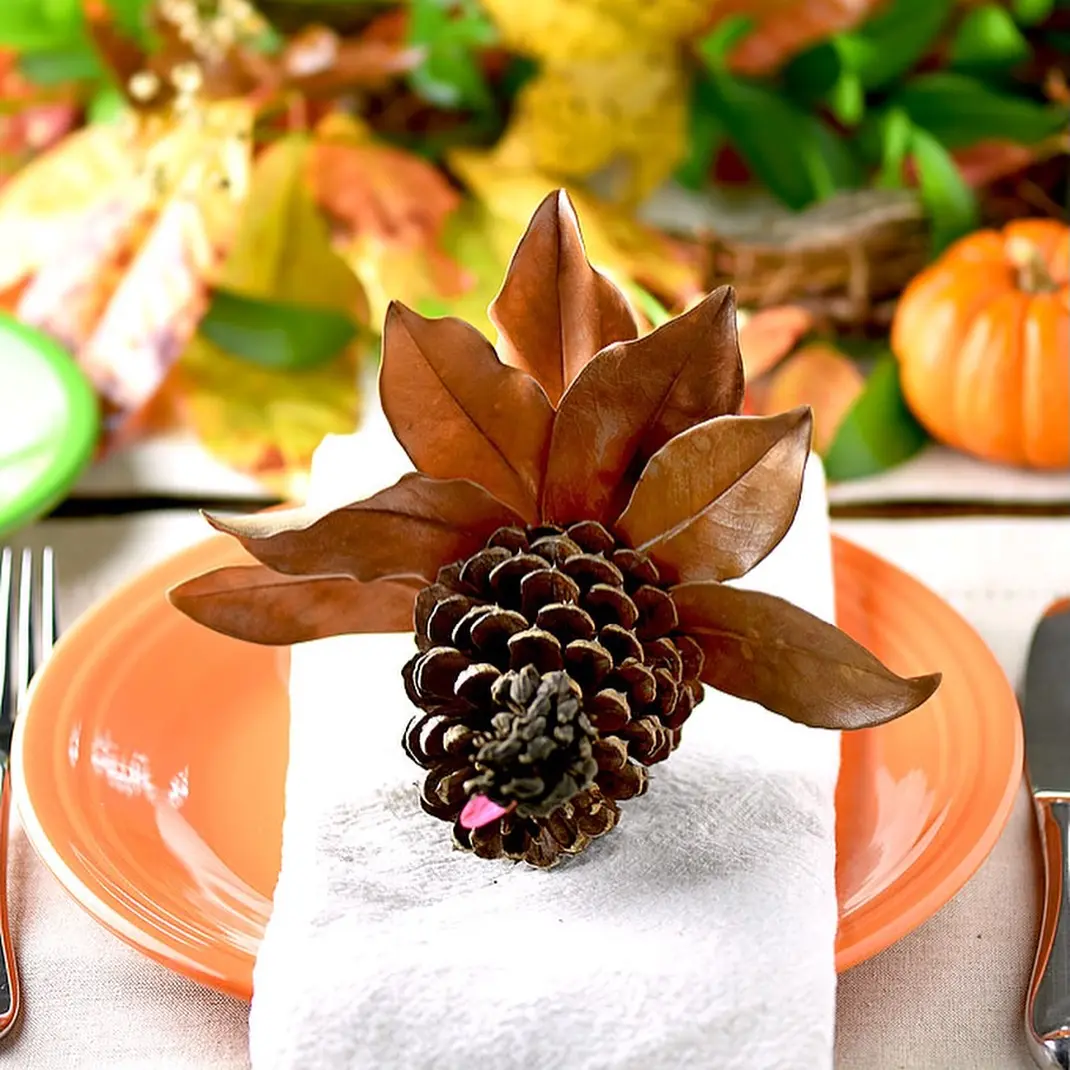
Involving children makes the table feel shared. Let them arrange pinecones in a bowl, choose flowers from the garden or paint small stones to place on a tray. Use non toxic paint and avoid small parts for children under three. Swap the display each month and keep the best pieces in a box.
Choose a spot in the middle where they can reach but not knock items off. This habit builds pride in the table and teaches kids how to arrange a space. The result is more personal than anything you can buy. Looking for more ideas for compact kitchens? Try these small kitchen ideas.
18. Know When to Leave the Table Bare
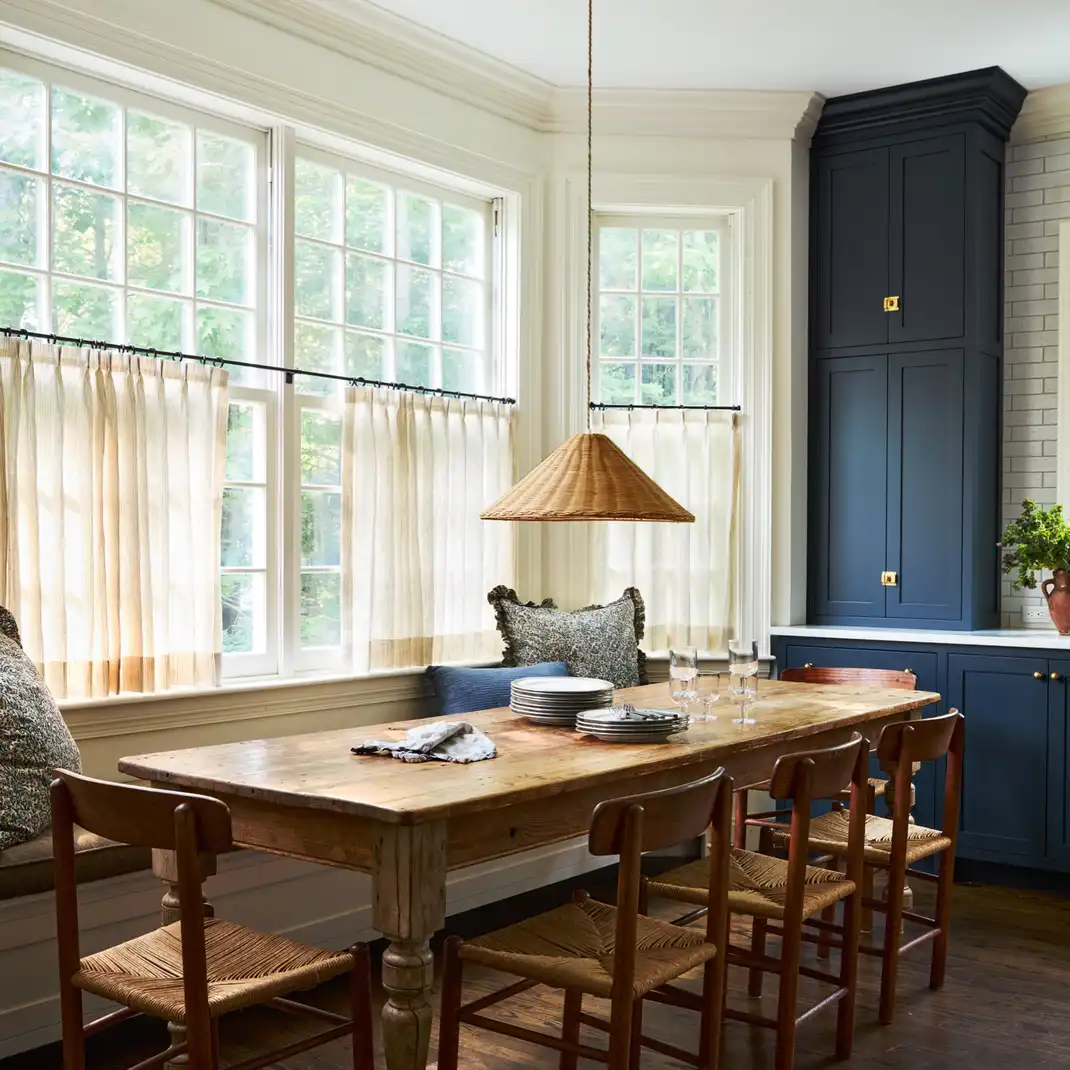
A bare table is also a good choice. If you do homework, crafts or meal prep on the table, a permanent centerpiece can get in the way. Keep a small tray in a nearby cabinet and bring it out for dinner.
A clean wooden surface with good light can be as beautiful as any arrangement. Wipe it after each meal and oil it a few times a year if it is solid wood. The rule is to make the table work for you. A centerpiece should serve the room and not the other way around.
Kitchen Table Centerpiece Questions Answered
How big should a kitchen table centerpiece be?
Keep it under 12 inches tall and no wider than one third of the table. This leaves room for plates and keeps sightlines open.
What if my table is very small?
Use a bud vase, a single candle or place settings only. A tray that you can lift off during meals also works well.
How often should I change it?
Refresh fresh elements such as flowers and fruit weekly. Change the full group each season.
Is it safe to use candles at every meal?
Yes if you follow basic rules. Keep flames away from fabric, trim the wick and never leave them unattended. Use flameless candles around young children.



3 Comments