
21 Garden Nook Ideas for a Peaceful Outdoor Escape
A garden nook asks for very little space, perhaps six feet of lawn, a quiet corner by a fence or the shady side of a shed. What turns that spot into a retreat is enclosure, a comfortable seat and something pleasant to look at and smell. The 21 ideas below cover seating, privacy, plants, light and storage, with sizes and care notes so each one works in real weather. Choose a few that match your sun and your budget and build the nook in stages.
A Bench Tucked Under an Arbor

An arbor gives a nook a roof of leaves and a clear sense of arrival. Choose one about 7 feet tall and 4 feet wide so a bench fits comfortably beneath. Set the posts at least 18 inches deep in compacted gravel or concrete so wind cannot lean it.
Train climbing roses, clematis or honeysuckle up the sides with soft ties. Leave the bench slightly back from the opening so the plants frame the seat. Treat wood with a safe outdoor sealant each spring to extend its life.
A Gravel Floor for a Clean Edge
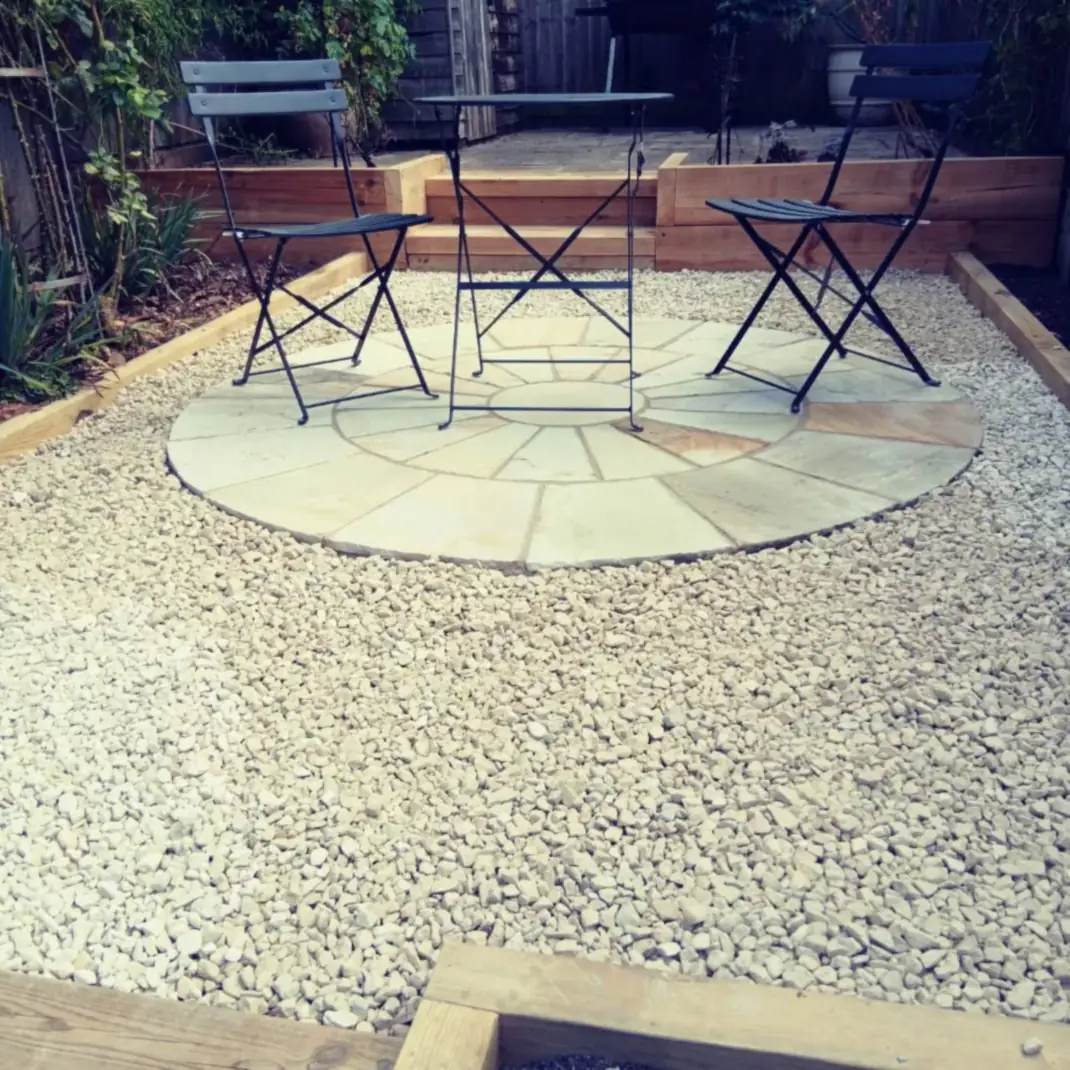
A gravel pad defines a nook without the cost of paving. Dig out 4 inches of soil and lay landscape fabric to stop weeds. Add 2 inches of compacted crushed stone as a base and top it with 1 inch of pea gravel. Edge the area with steel or stone so the gravel stays put. Gravel drains quickly and makes a pleasant crunch underfoot. Choose a size of about 6 by 6 feet for a table and two chairs. Rake lightly each season to keep the surface even.
A Bistro Set for Morning Coffee
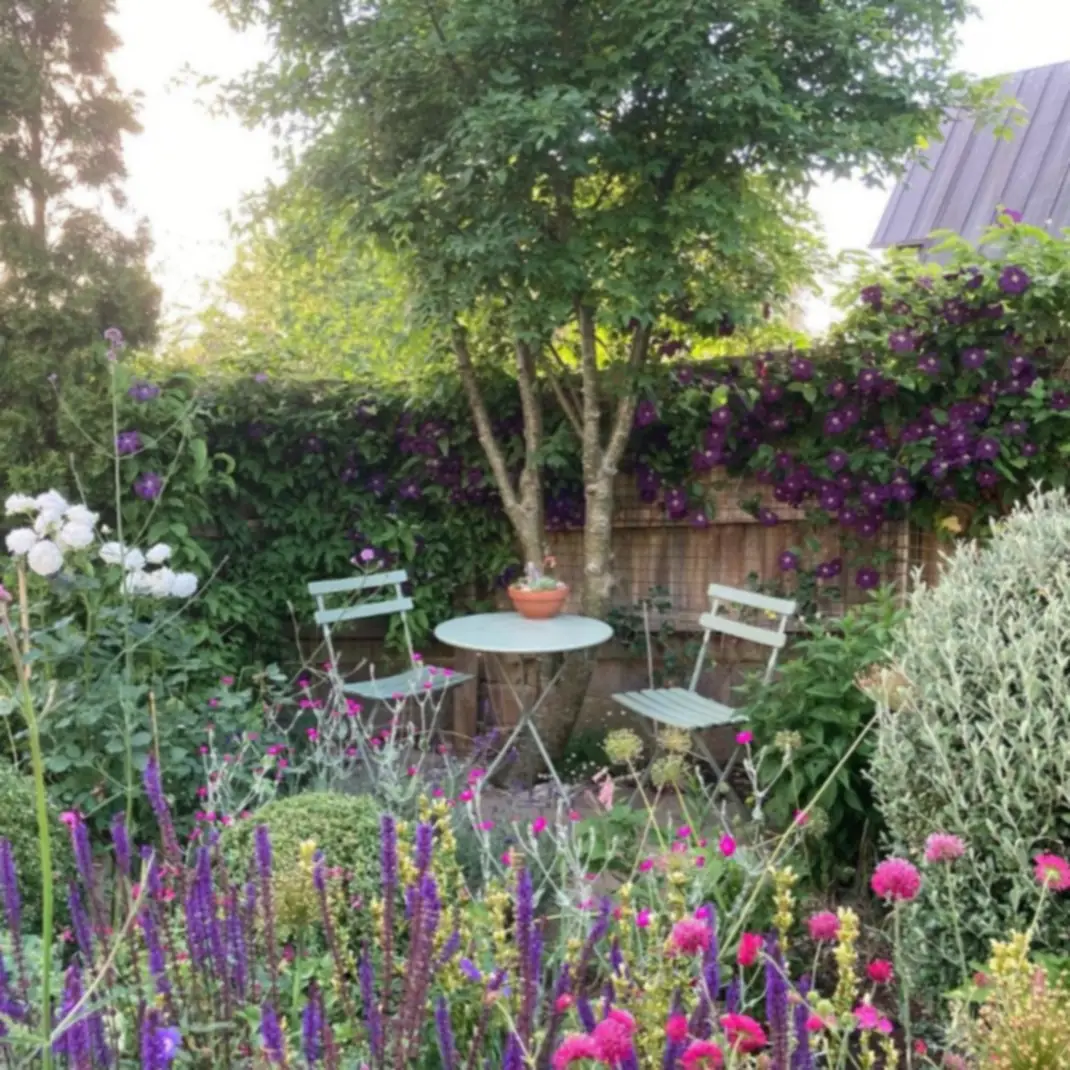
A small table and two chairs turn any corner into a morning spot. Choose a round table about 24 inches across so it fits on a narrow patch. Powder coated steel or aluminum resists rust and wipes clean. Place the set on a level base so it does not wobble and add felt pads to protect the surface below.
Use a cloth in a pale color and keep it weighted in wind. Bring cushions inside after rain. A small table also keeps the nook flexible when you want to use the space for other things.
A Trellis Screen for Privacy
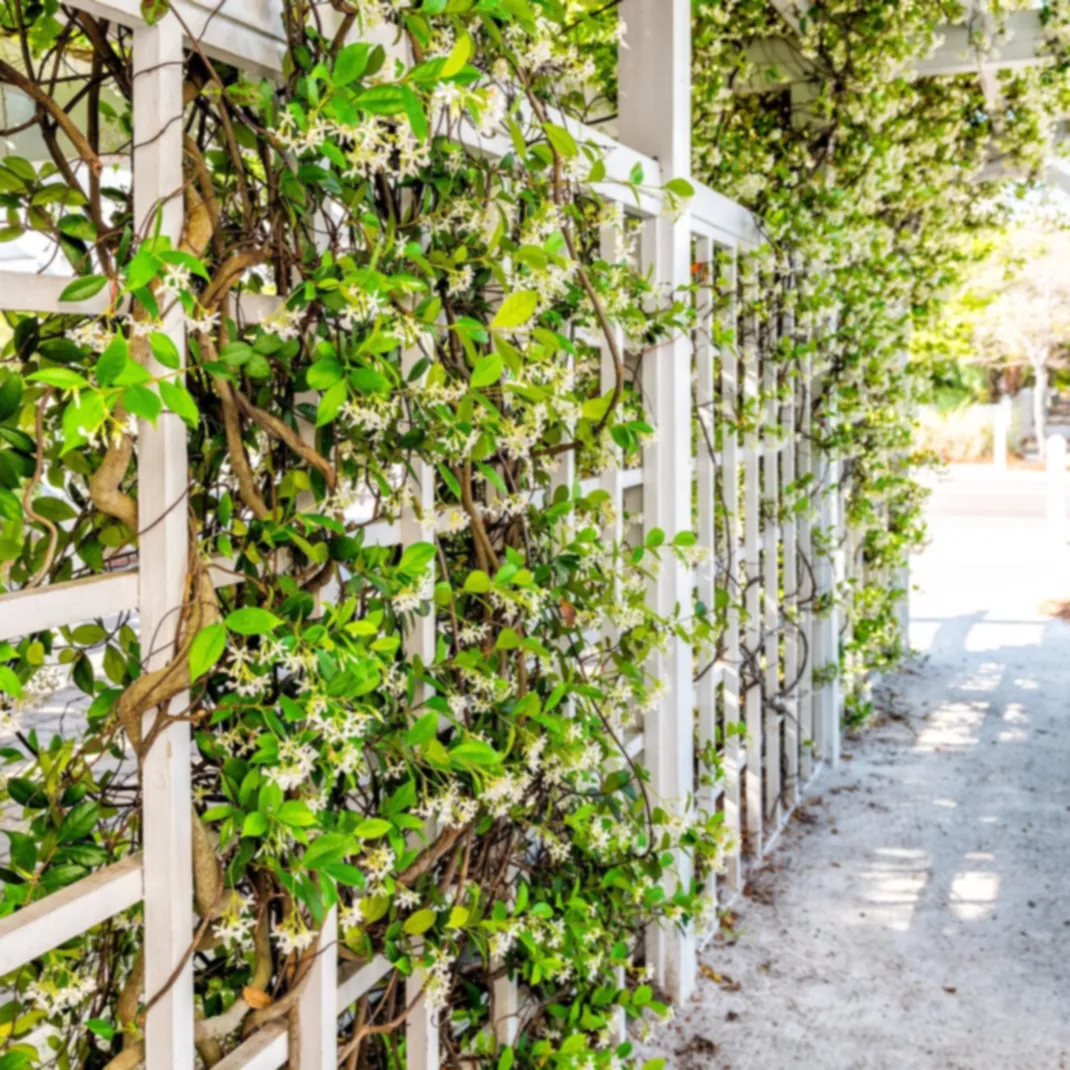
Privacy makes a nook feel like an escape. A trellis panel 6 feet tall gives cover without the weight of a solid fence. Fix it to sturdy posts set in the ground and leave a small gap at the bottom for airflow. Train star jasmine, honeysuckle or sweet peas through it, depending on your climate.
Check your local rules on structure height before building. Prune once a year to keep the screen tidy. Vines give a living wall that also shelters the seat from wind.
A Clipped Hedge Backdrop

A hedge makes a calm green wall that frames the seat. Plant yew, boxwood or privet about 18 inches apart and trim to 4 to 5 feet for good coverage. Water new plants regularly for the first year and feed in spring. Clip in early summer and again in late summer for a sharp line.
Check which species suit your hardiness zone because some are damaged by hard frost. A hedge also muffles street noise and gives birds a place to shelter close to your seat.
A Birdbath Within View
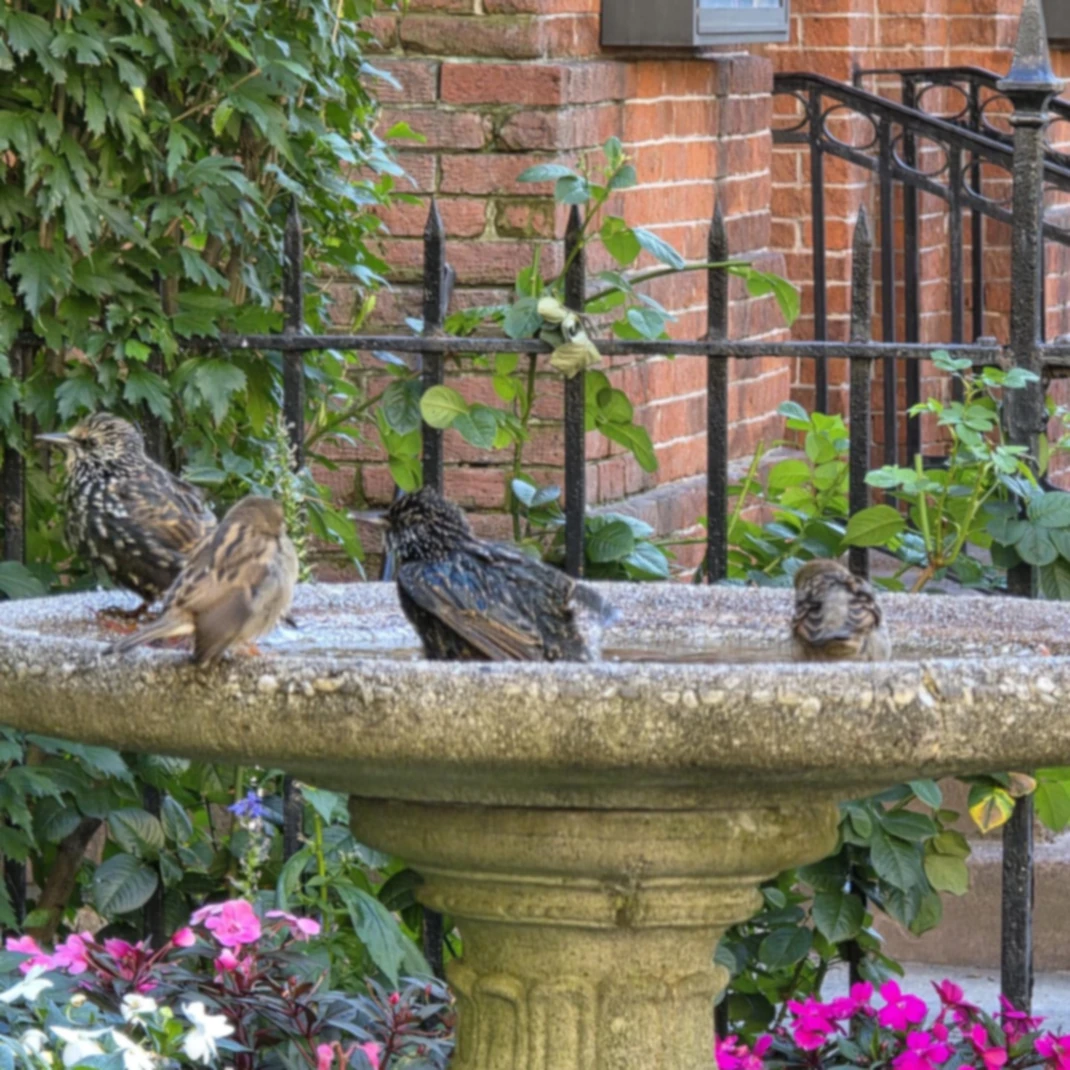
Moving wildlife adds life to a quiet corner. Place a shallow birdbath about 2 inches deep at one side of the nook and put a few stones in it so small birds can perch. Clean it every few days with a stiff brush and fresh water to prevent disease.
Keep it in partial shade so water stays cool and set it away from dense shrubs where cats could hide. Refill daily in hot weather. The sound of splashing is gentle and the visitors give you a reason to sit still.
Herb Pots Close to the Seat

Herbs are useful and scent the air when brushed. Group pots of rosemary, thyme, lavender and mint at hand height and on the sunny side of the seat. Use pots with drainage holes and a gritty mix because most herbs dislike wet roots. Keep mint in its own pot as it spreads fast.
Pick leaves for tea or cooking as you sit. Water when the top inch of soil is dry and cut back woody plants lightly each spring. A small pair of scissors kept in a pot nearby makes harvesting a habit rather than a chore.
A Weatherproof Outdoor Rug
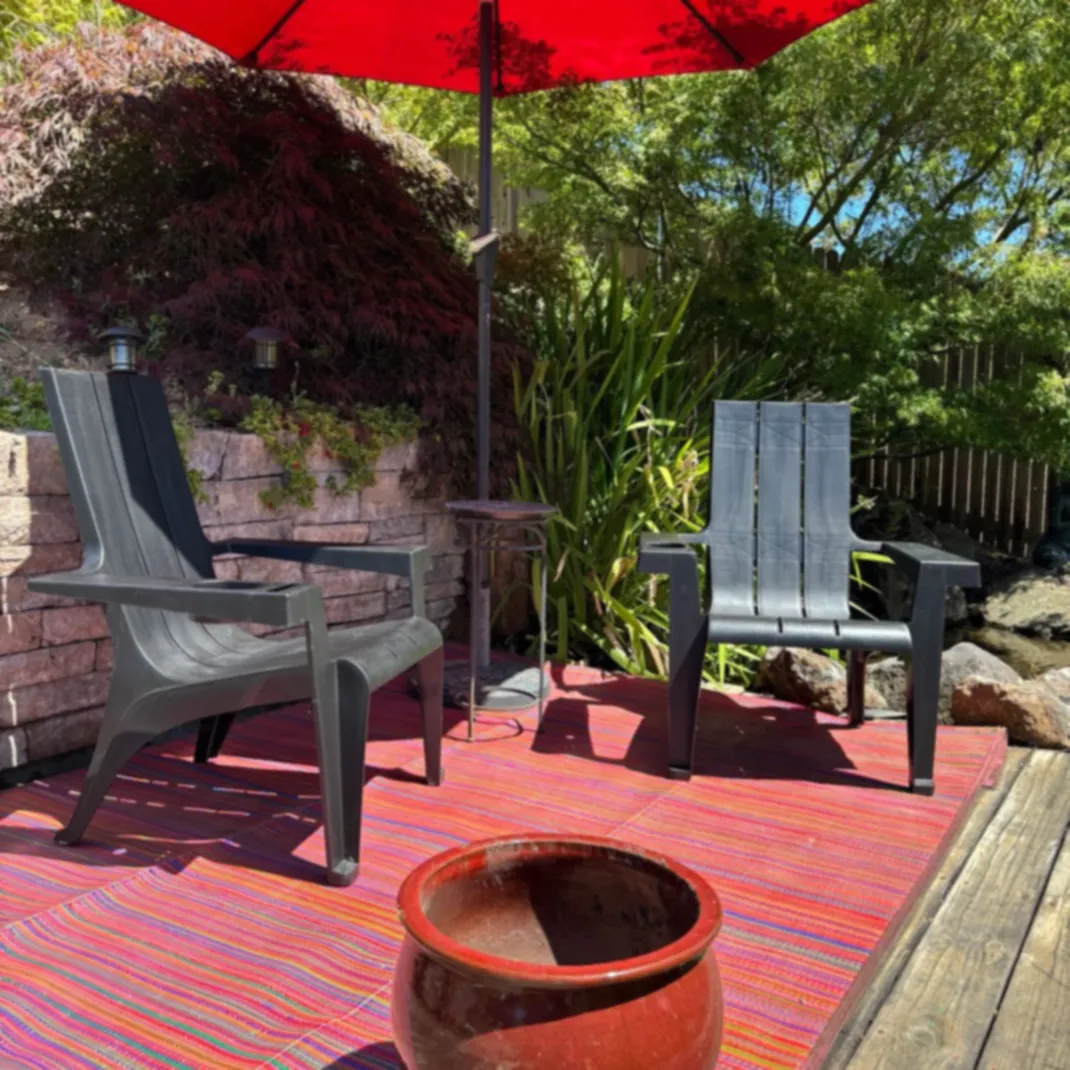
A rug turns bare ground or gravel into a room. Choose a polypropylene rug in a muted stripe or solid and size it about 5 by 7 feet so chair legs sit on it. Lay it on a firm flat surface, not directly on soft soil, so it does not stay wet.
Lift and hose it down each month and let it dry fully. Roll it up in winter. The softness underfoot makes a simple chair feel like part of a finished outdoor living space.
Solar Lanterns for Evening Light
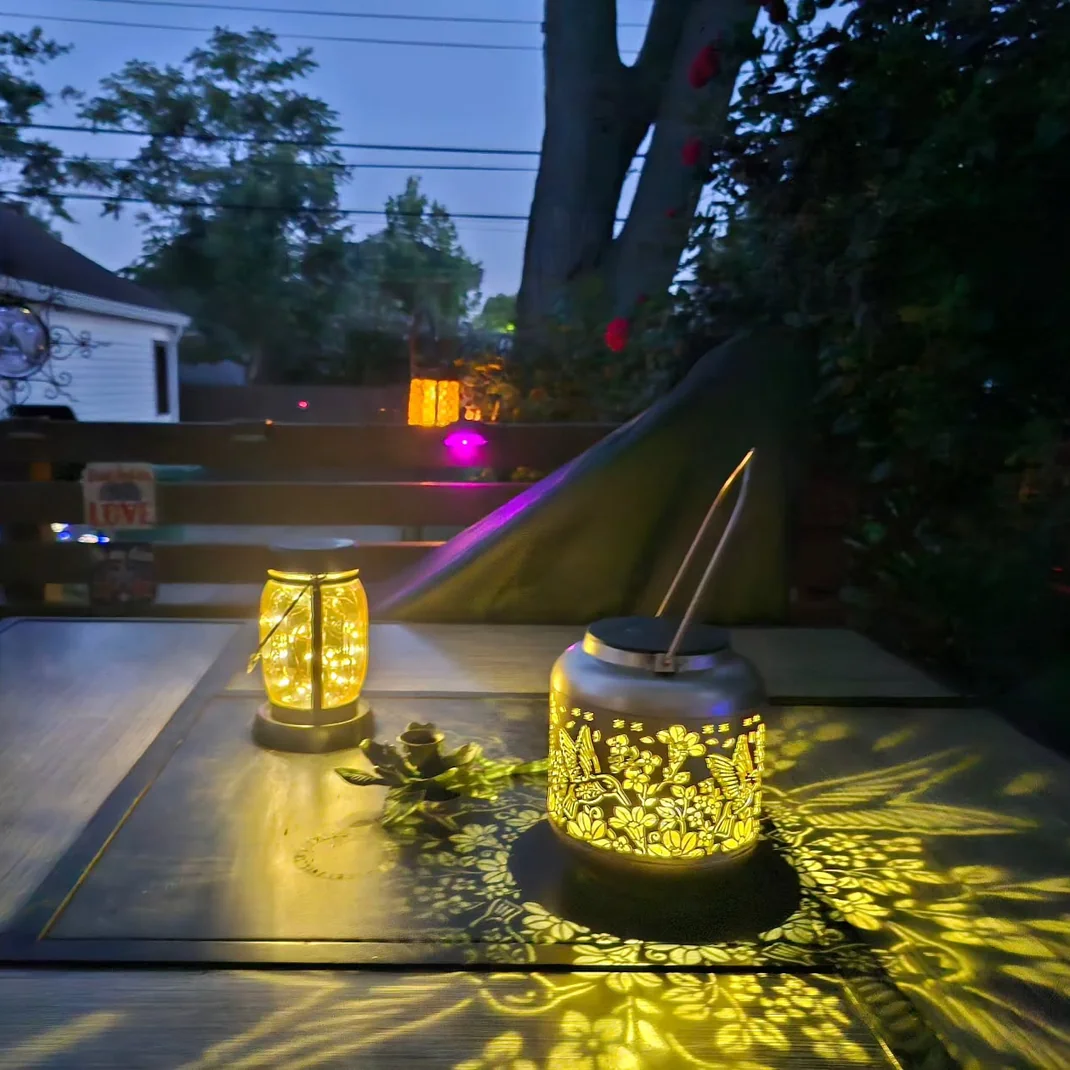
Gentle light extends the use of a nook into the evening. Choose solar lanterns with warm white LEDs and place them where they receive full sun during the day. Hang a few from a branch or hook and set one on the table. Wipe the solar panel monthly and replace weak batteries after two or three years.
Keep lantern heights varied for depth. Solar lights need no wiring, so they suit rentals and shared gardens, and they are safer than candles near dry plants.
A Moss Covered Stone Seat

A stone seat blends into the planting and lasts for decades. Choose a bench about 16 to 18 inches high and set it on a level base of compacted gravel. In shade, moss will gradually colonize the surface and add a soft aged look. Plant ferns and hostas around the base. Add a cushion when you sit because stone holds cold.
Check stability before use. Avoid placing stone under large trees where falling branches could crack it. Wipe off bird droppings and leaves occasionally so the surface stays pleasant to sit on.
A Tree Swing Hung Safely

A swing brings a playful note to a nook. Choose a healthy hardwood branch at least 8 inches thick and hang the seat with rated rope or chain and a proper tree strap to protect the bark. Keep the seat about 18 inches from the ground and leave clear space of 6 feet in all directions.
Check the branch and hardware every season. Ask an arborist if you are unsure about the tree’s strength. Supervise children and never exceed the weight rating.
A Garden Room Inside a Small Shed

A shed can become a private retreat with a little work. Clear out tools, insulate the walls and add a window for daylight. Fit a bench with storage beneath and a few shelves for books. Use weatherproof paint and fix any leaks before decorating.
If you plan to use electricity, hire a licensed electrician and keep wiring in conduit. Leave a small ventilation gap to avoid damp. A shed nook is dry on rainy days and keeps garden tools tidy too.
Fragrant Plants Around the Seat

Scent turns a seat into a sensory space. Plant lavender, jasmine, sweet peas and old fashioned roses within arm’s reach of the seat. Choose varieties that suit your climate and sun. Lavender needs full sun and well drained soil while sweet peas prefer rich soil and regular water. Plant evening scented flowers like night blooming stock if you sit after dusk.
Avoid heavy scents beside windows if anyone in the house is sensitive. Deadhead often to extend flowering. Plant in groups of three or more of the same variety so the scent is strong enough to notice from the seat.
A Shade Sail Over the Seat

Shade makes summer seating usable. A sail about 10 by 10 feet covers a table and two chairs. Fix it to sturdy posts or house fascia with rated hardware and keep one corner lower so rain runs off. Choose breathable fabric with a UV rating of 90 percent or more. Remove it in storms and heavy snow.
Check fittings each spring. A sail costs less than a pergola and installs in an afternoon, and it can be taken down when you prefer open sky.
A Raised Bed with a Seating Ledge
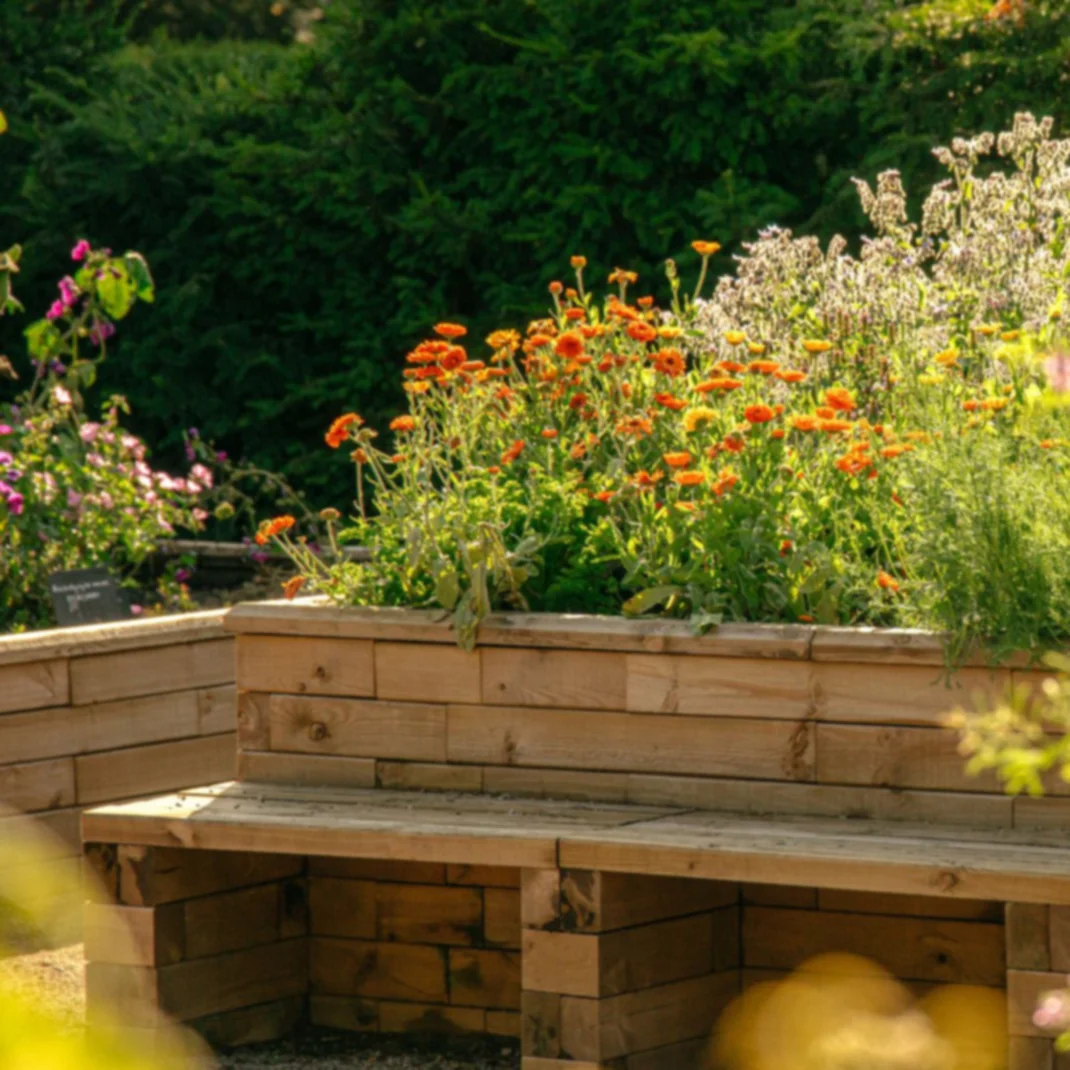
A raised bed can hold plants and double as a seat. Build it 16 to 18 inches high with a flat capping board at least 10 inches wide, sanded smooth to avoid splinters. Use untreated cedar or a liner to keep treated wood away from edible plants.
Fill with a rich soil and compost mix and plant herbs or flowers you enjoy touching. Add a cushion for comfort. Make sure the structure is braced at the corners so it does not shift when you sit.
A Fire Bowl for Cool Evenings

A small fire bowl extends the evenings into autumn. Place it on a gravel or stone base at least 10 feet from the house and away from overhanging branches and fences. Keep chairs about 4 feet from the flames and use dry seasoned wood only.
Keep a bucket of water or a hose within reach and never leave a fire unattended. Check local fire rules, since some areas ban open fires in dry weather. Smokeless models reduce smoke on still nights.
Stepping Stones Leading to the Nook

A path adds a sense of discovery. Lay flat stones 12 to 18 inches wide and set them about 24 inches center to center to match a natural stride. Dig each stone into the ground so the top is level with the soil and tamp the base well. Plant low thyme or moss between them.
Avoid smooth stone that becomes slippery in rain. Curve the path gently so the nook is not visible until you arrive. Edge the path with low plants so it stays clear and check the stones each spring for any that have started to rock.
A Water Bowl Feature

A bowl of still water adds calm without a pump or wiring. Choose a glazed ceramic or stone bowl about 18 inches wide and set it on a level surface. Add a few floating blooms or a small water lily if the bowl is deep enough. Refill when levels drop and empty it in winter to prevent cracking.
Add a mosquito dunk if the water sits for days. The reflection of leaves and sky gives you a quiet place to look.
Lanterns and Candles on a Low Table

A low table gives a place to set a cup and a light. Choose a side table about 16 to 20 inches high in teak or powder coated metal. Use candle lanterns with closed glass and a flameless candle if the area is dry or windy. Keep flames away from hanging fabric and branches and never leave them burning when you go inside.
Add a small vase of garden cuttings. Wipe the surface after rain and keep coasters nearby. Choose a table with a lip or a tray on top so cups and lanterns stay put when the wind picks up.
Wind Chimes and a Small Sculpture

A focal point gives the eye a place to rest. Choose a small sculpture such as a stone bird or a ceramic orb and place it at the end of a path or beside the seat. Hang a wind chime with a soft tone from a nearby branch and keep it away from neighbors’ windows.
Secure heavy pieces on a flat base. Leave space around each item so it stands out. Too many objects make a nook feel cluttered, so choose one or two and let the plants do the rest.
An Outdoor Storage Box for Cushions

A weatherproof box keeps cushions dry and the nook tidy. Choose a slim box about 20 inches deep that doubles as a seat or side table. Look for a lid with a gap for airflow and a waterproof liner. Store cushions, throws and candles inside after use.
Place the box on small feet so it does not sit in puddles. Check seals each year. When everything has a home, the nook is ready the moment you step outside and does not need setting up.