
21 Cozy Bedroom Decor Ideas with Warm & Inviting Finds
A cozy bedroom is felt before it’s seen—the weight of a soft blanket, the glow of a low lamp, and the comforting sense of warmth and quiet. This inviting atmosphere comes from texture, lighting, and thoughtful layers as much as color or furniture, making it one of the easiest styles to create. Every added layer can make the room feel warmer, softer, and more welcoming.
Here are twenty-one warm, inviting details to bring into your own bedroom, each one focused on comfort you can actually feel, not just see.
A Chunky Knit Wool Throw
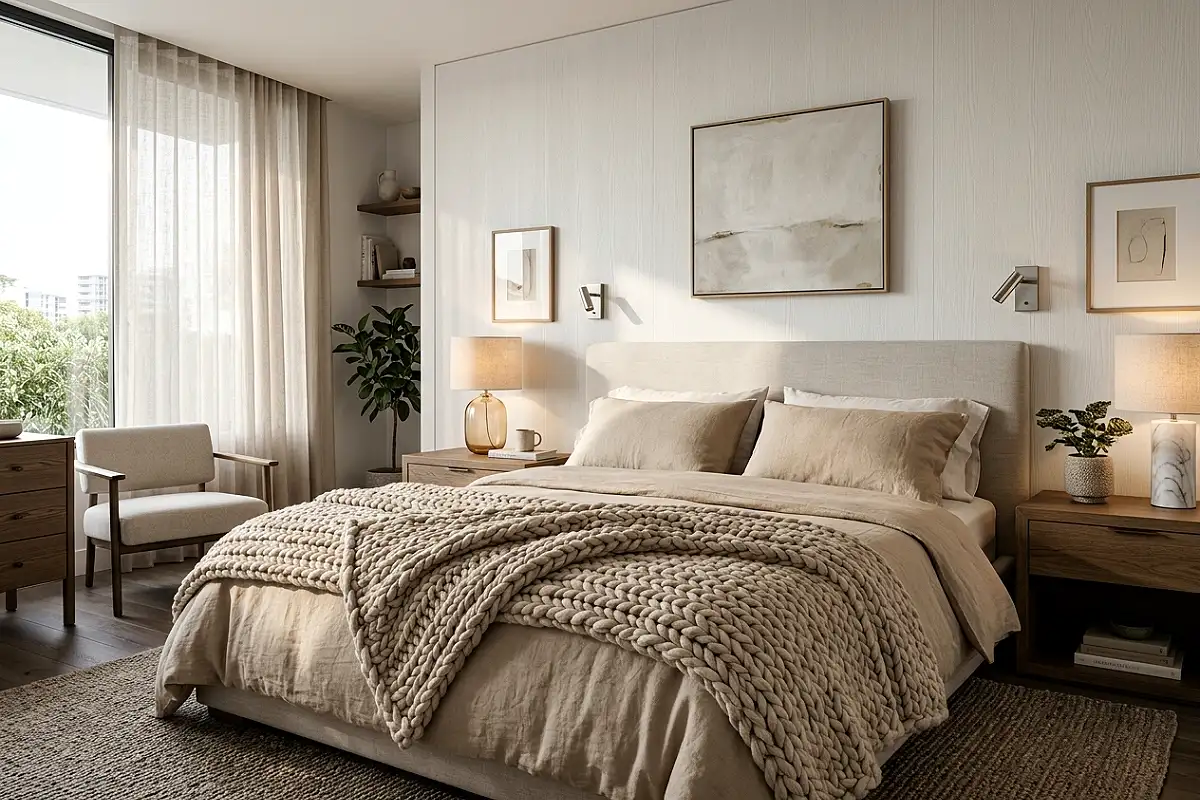
A generously oversized, thickly knit wool throw draped across the bed or a chair brings immediate visual and physical warmth to a room. The deep texture of a chunky knit catches shadow in a way that flat blankets simply can’t, adding real dimension even before anyone touches it, and wool in particular holds warmth exceptionally well on cold mornings. Choose a natural, undyed wool tone like oatmeal or heather grey for the most versatile, universally cozy look, and let it fold loosely rather than perfectly for a relaxed, lived-in feel.
Pro Tip
Store an extra chunky throw in a basket beside the bed, having a second one within reach makes the room feel prepared for cold nights without any extra effort.
Warm Amber or Terracotta Wall Color

A warm, earthy wall color, dusty terracotta, muted amber, soft clay, wraps a room in the kind of warmth that cool grays and stark whites simply can’t achieve, especially once the sun goes down and lamps take over the lighting. These tones tend to look particularly rich in the evening, deepening under warm bulbs in a way that makes the whole room feel like it’s holding onto the day’s last light. This is a striking, high-impact change for the relatively modest cost of paint alone.
Pro Tip
Test warm paint colors on a large poster board rather than directly on the wall, this lets you move the sample around the room to see how light affects it at different times of day.
A Faux Shearling Chair Cover
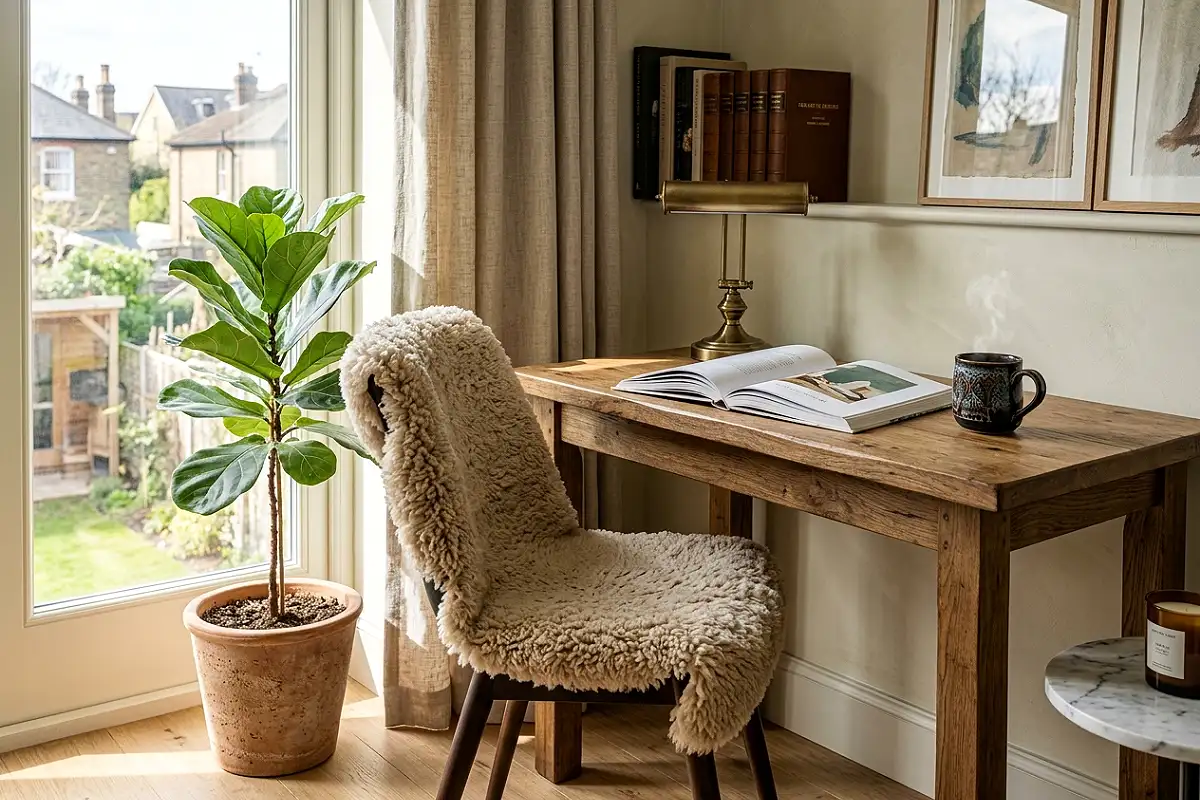
Draping a faux shearling throw or fitted cover over a desk or accent chair instantly transforms a purely functional piece into something you actually want to sit in. The deep, curly texture adds softness to a corner of the room that might otherwise feel overlooked, and it’s one of the simplest ways to bring warmth into a small footprint without committing to an entirely new piece of furniture.
Pro Tip
Brush a faux shearling cover gently with a wide-tooth comb every so often, this keeps the pile looking full and prevents it from matting down over time.
Layered Warm-Toned Table Lamps
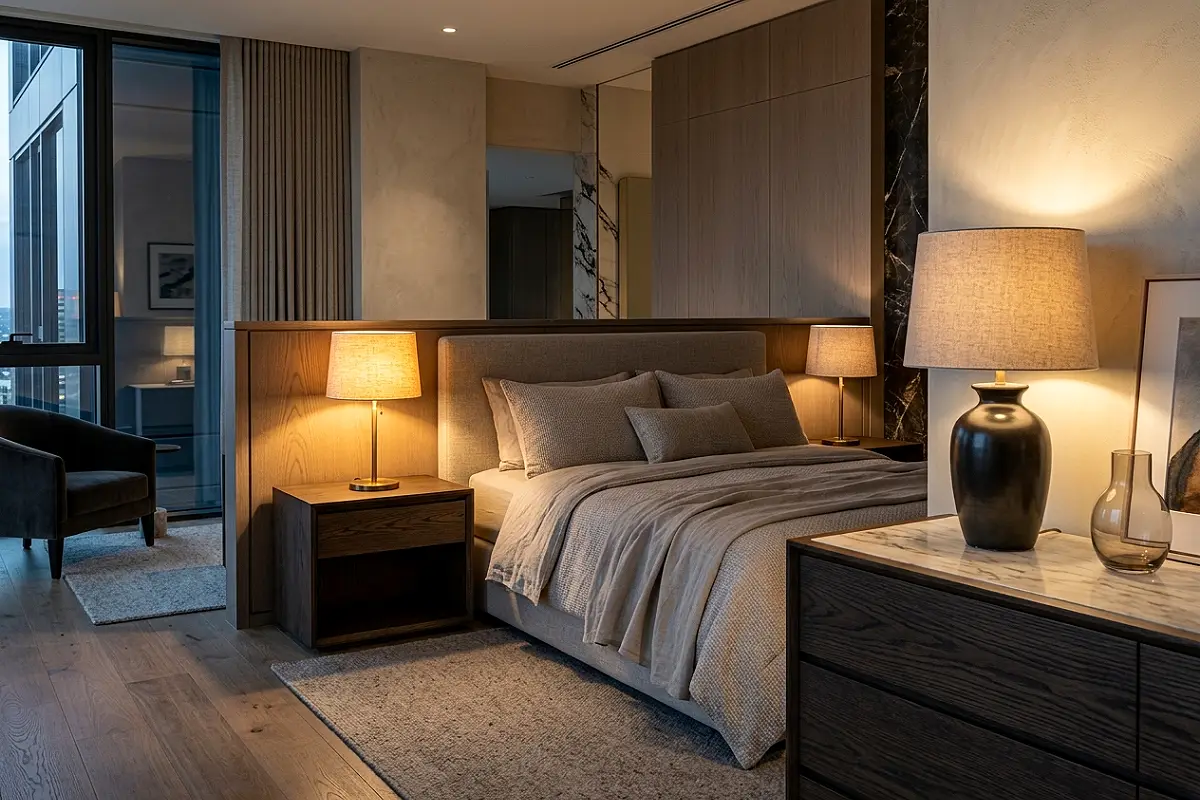
Multiple small lamps, placed at different heights around the room rather than relying on a single overhead fixture, create pools of warm, low light that feel infinitely cozier than one bright source. This layered approach also gives you more control over the room’s mood throughout the evening, dim everything down for winding down at night, or bring up just one lamp for reading without flooding the whole space with light.
Pro Tip
Use bulbs rated 2700K or lower throughout the room, anything higher starts to read as bright, clinical light rather than a warm, cozy glow.
An affordable option like the Threshold Ceramic Table Lamp delivers warm, reliable ambient light at a low price point, while a piece like the Menu Bollard Lamp offers a more elevated, sculptural version for those ready to invest in a statement piece.
A Plush Wool Area Rug
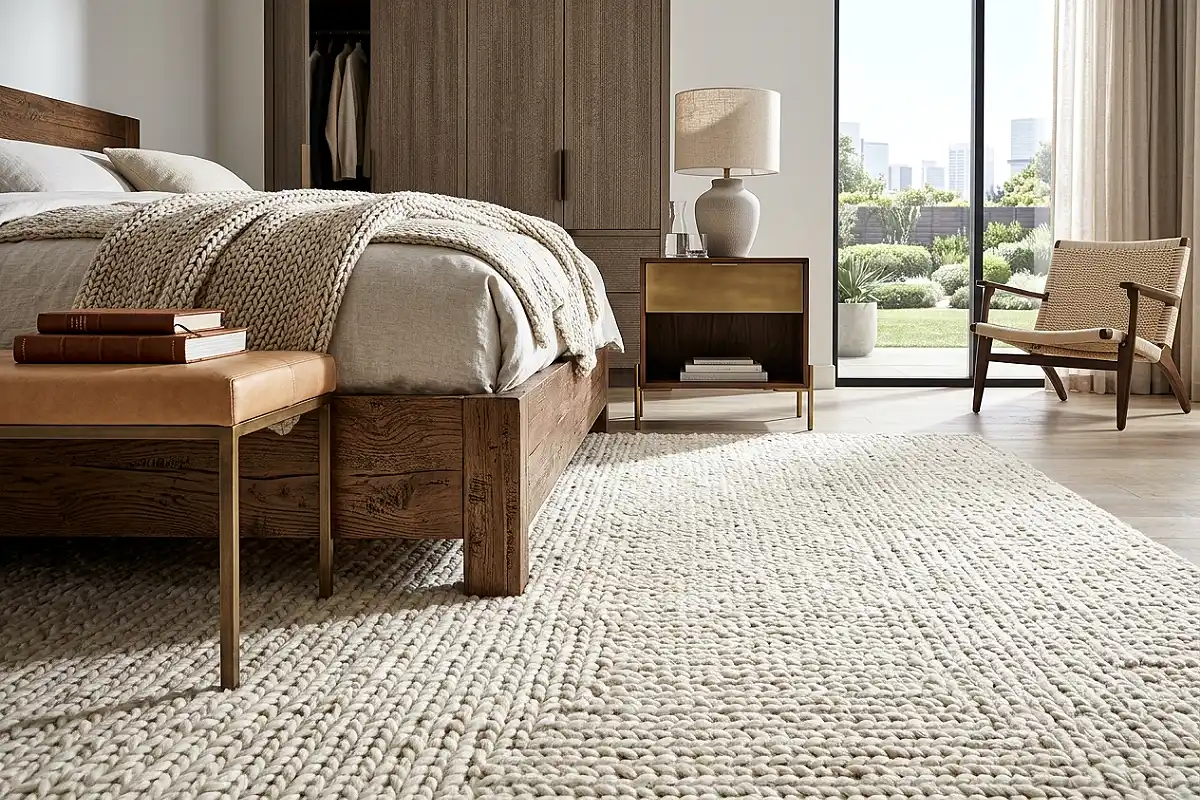
A thick, high-pile wool rug underfoot makes the single biggest difference to how a room feels on bare feet, especially first thing in the morning or on cold winter nights. Wool naturally retains warmth and softens sound in a way that thinner synthetic rugs can’t match, and its density gives the whole room a grounded, substantial feeling that’s immediately noticeable the moment you step into the space.
Pro Tip
Add a rug pad underneath, even on carpet, it adds extra cushioning and warmth underfoot while also extending the life of the rug itself.
Brushed Flannel Cotton Sheets
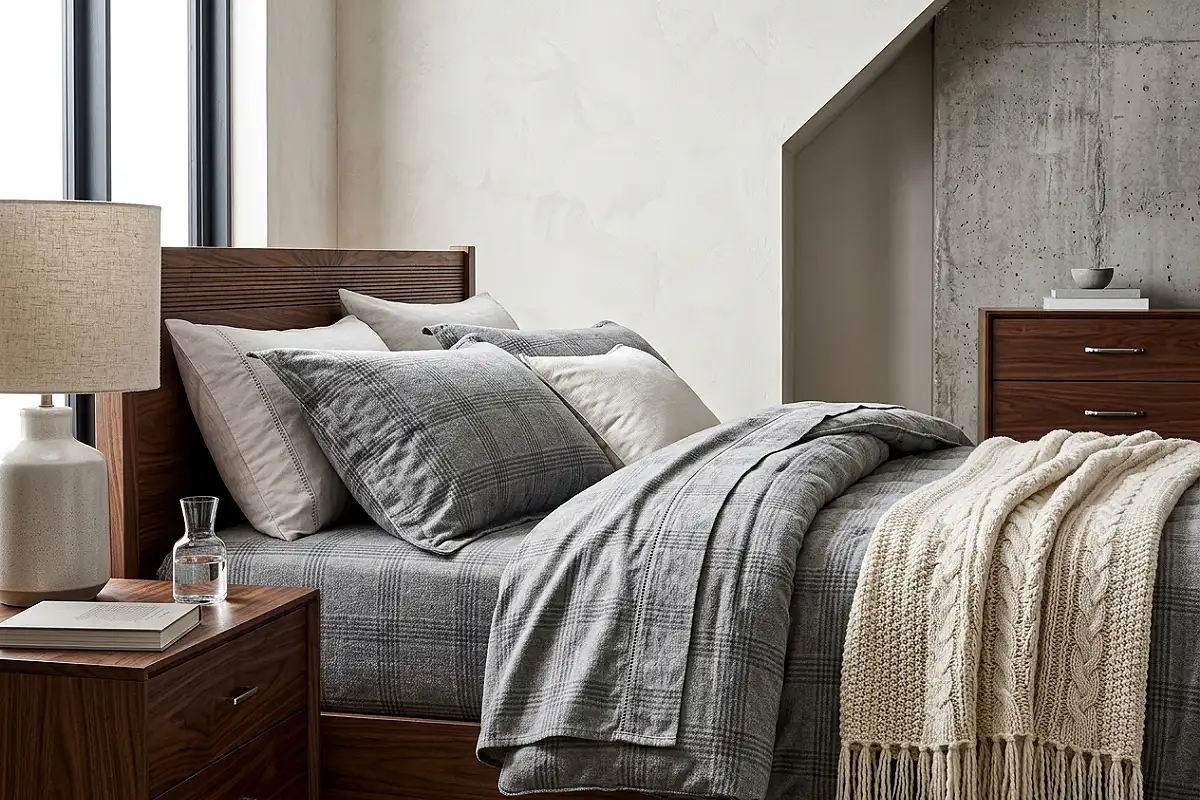
Flannel sheets bring a soft, slightly fuzzy texture and genuine warmth that summer-weight cotton simply doesn’t offer, making them an especially worthwhile investment for colder months or naturally chilly bedrooms. The brushed finish traps a thin layer of warm air against the body, and the material itself feels inherently more comforting to climb into on a cold night than crisp, cool percale.
Pro Tip
Look for flannel sheets measured in grams per square meter rather than thread count, a higher gram weight indicates genuinely warmer, denser fabric.
A Wood-Scented Candle Corner
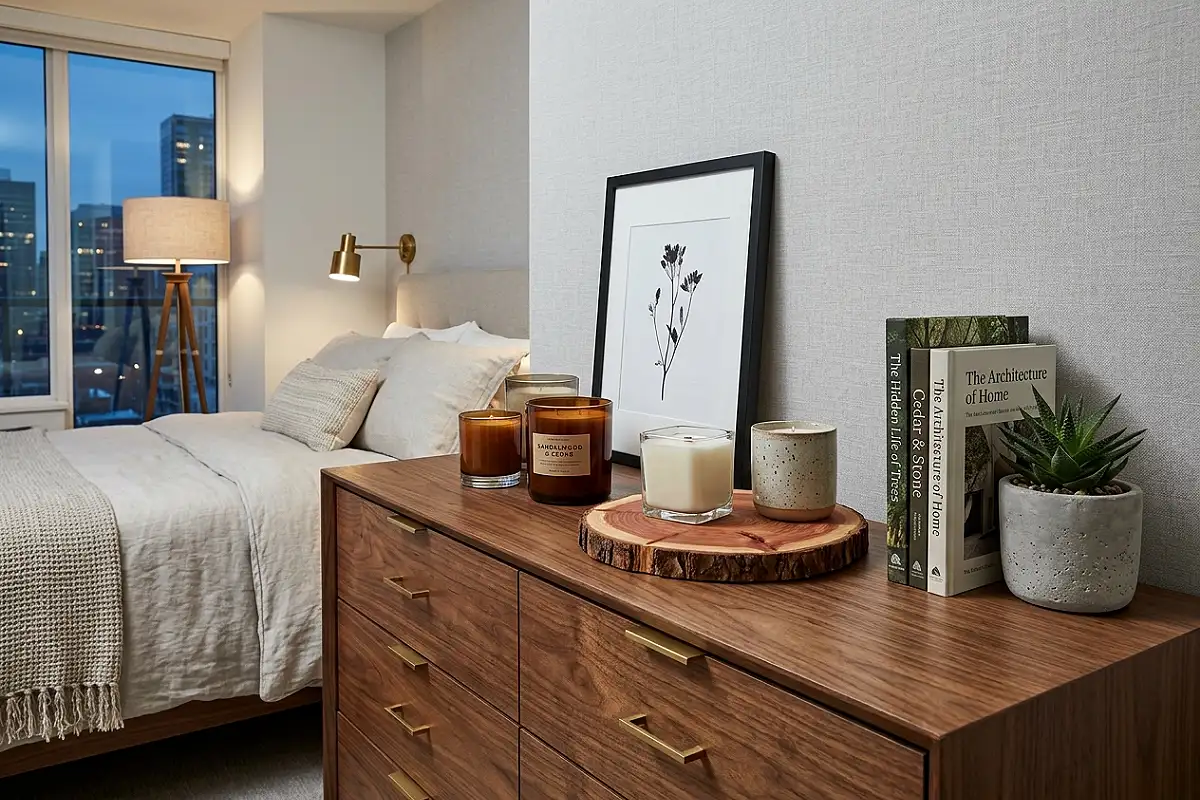
A small grouping of candles in warm, woodsy scents, cedar, sandalwood, smoked vanilla, brings an olfactory layer of coziness that’s easy to overlook but makes an enormous difference to how a room actually feels to spend time in. Cluster a few candle sizes together on a tray on the dresser or windowsill, creating a small ritual moment each evening when they’re lit.
Pro Tip
Trim candle wicks to a quarter inch before each burn, this small habit prevents excess soot and helps the scent throw evenly through the room.
Heavier, Insulating Curtain Fabric
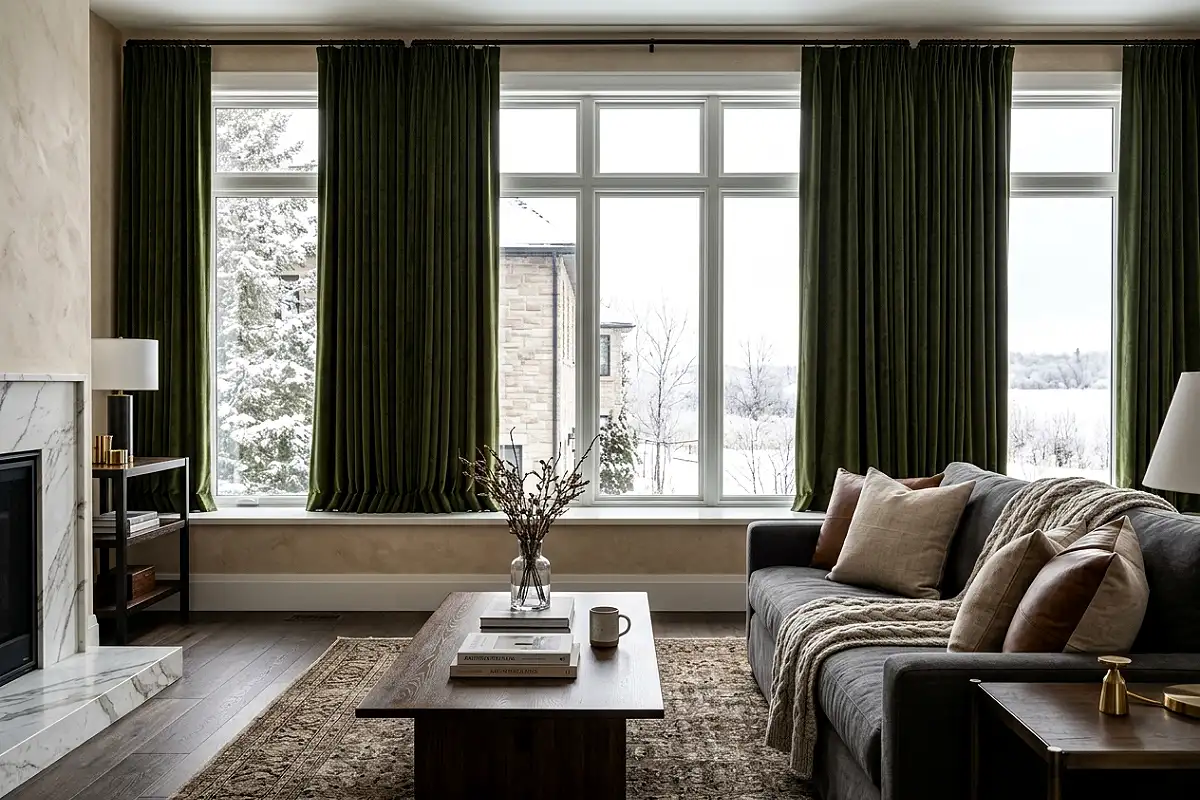
Swapping lightweight curtains for a heavier velvet or thermal-lined fabric does double duty, adding rich texture to the window while also genuinely helping insulate the room against drafts and cold glass in the winter months. The weight and drape of heavier fabric also feels more substantial and cozy visually, even before you consider its practical insulating benefit.
Pro Tip
Choose curtains with a thermal or blackout lining sewn in, rather than a separate liner panel, for the cleanest look with the most consistent insulating benefit.
A Corner Reading Nook With a Heated Throw
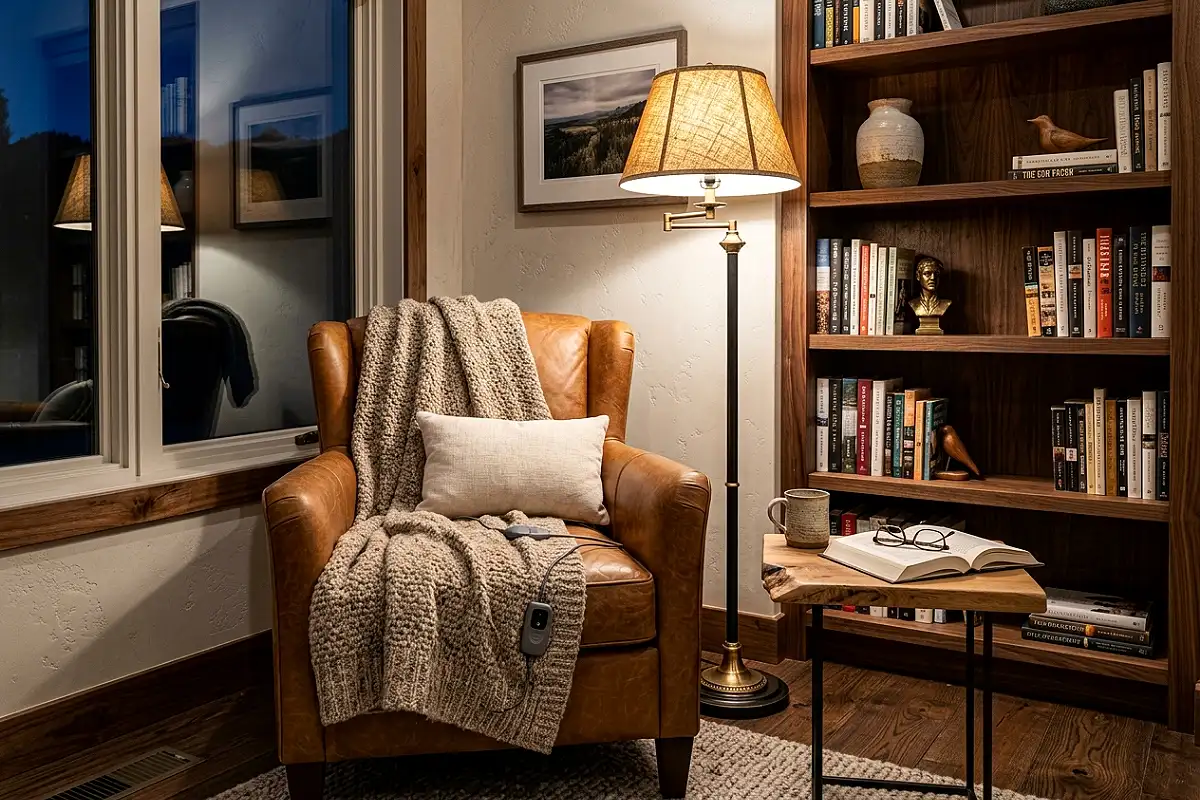
A small armchair tucked into an underused corner, paired with a heated throw blanket, creates a genuinely inviting retreat that gets used far more than a purely decorative seating arrangement would. The heated throw in particular turns this into a real destination on cold evenings, somewhere you’ll actually want to sit rather than simply admire from across the room.
Pro Tip
Choose a heated throw with an auto shut-off timer, it adds peace of mind for overnight use without needing to remember to turn it off manually.
Terracotta Ceramic Accents

Small terracotta vases, dishes, or planters bring warm, earthy color and texture to a nightstand or dresser without requiring any major purchase. The raw, slightly rough surface of unglazed terracotta has an inherently warm, sun-baked quality that pairs beautifully with wood furniture and warm-toned textiles throughout a cozy bedroom.
Pro Tip
Seal unglazed terracotta with a light coat of beeswax if using it to hold water for flowers, this prevents the porous surface from staining or absorbing moisture.
A Woven Basket for Extra Blankets
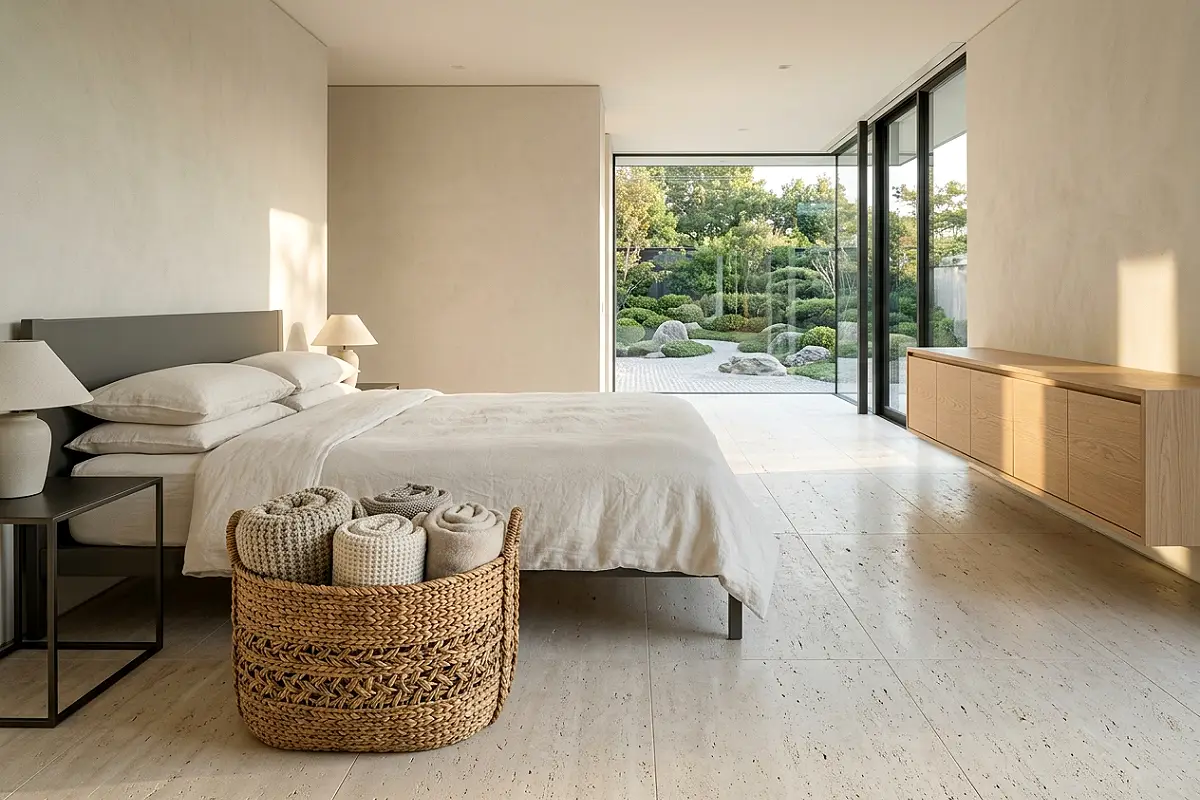
A large woven basket beside the bed or chair, filled with a couple of extra blankets, brings both practical warmth and natural texture into easy reach. It signals a room that’s genuinely prepared for cold nights rather than one where blankets are stuffed away out of sight, and the visual texture of the basket itself adds another cozy layer even before it’s used.
Pro Tip
Roll blankets rather than folding them flat inside a basket, rolling shows off more texture and makes it easier to grab just one without disturbing the rest.
A Soft, Padded Upholstered Headboard

A generously padded headboard, upholstered in a soft bouclé or velvet, brings comfort you can lean back against as well as visual warmth to the whole bed. Unlike a hard wood or metal headboard, a padded one invites you to actually sit up and read against it, adding a layer of genuine everyday comfort rather than purely decorative value.
Pro Tip
Choose a headboard with high-density foam padding rather than a thin batting layer, it holds its shape and comfort far longer with regular nightly use.
A Radiator Bench Turned Window Seat

If your bedroom has a radiator beneath a window, a fitted bench cushion placed over a radiator cover creates a genuinely warm, cozy perch, quite literally the warmest seat in the room during colder months. This is a wonderful way to make use of an often-overlooked space, turning a purely functional heating element into one of the coziest spots in the house.
Pro Tip
Choose a radiator cover with a slatted or perforated top, this allows heat to still circulate properly into the room rather than becoming trapped underneath.
Layered Rugs for Extra Warmth
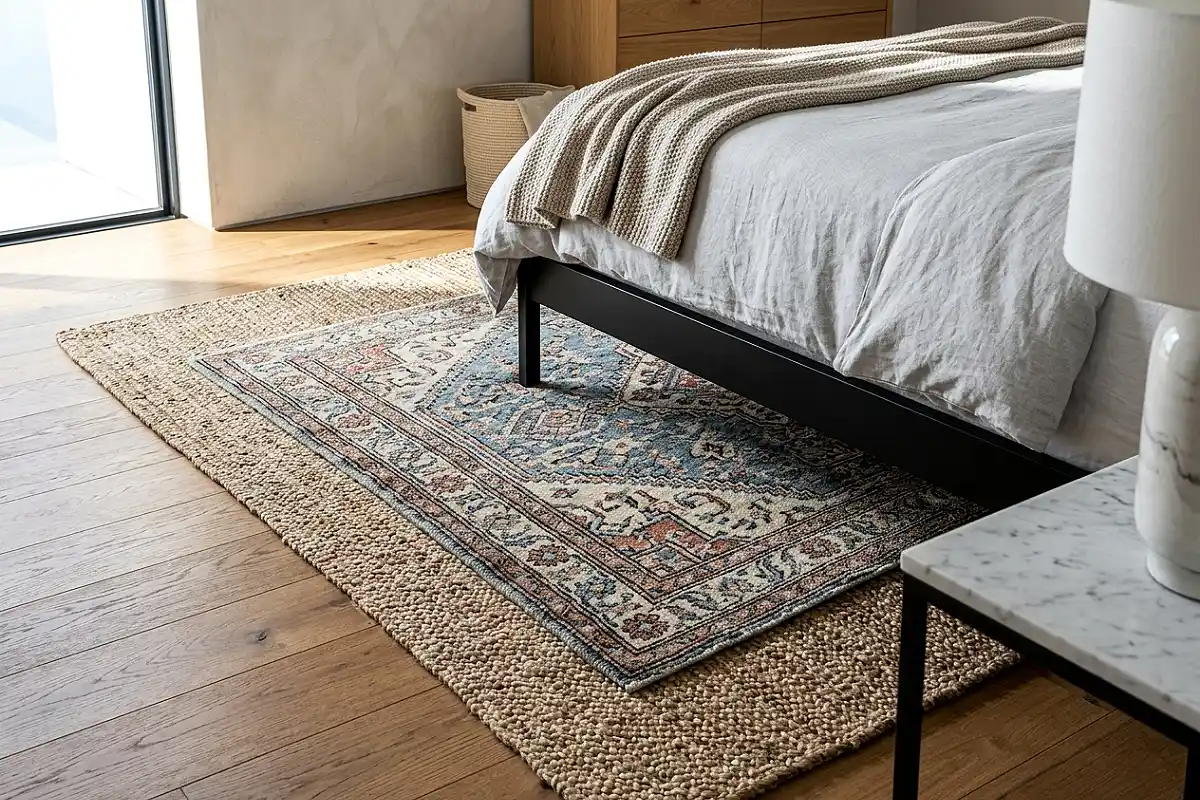
Placing a smaller, softer rug on top of a larger base rug near the bed adds an extra layer of cushioning and warmth exactly where bare feet land first thing in the morning. This layered approach also adds visual texture and depth to the floor, an often underdecorated part of the room that benefits enormously from a bit of extra attention.
Pro Tip
Angle the top rug slightly rather than laying it perfectly square with the bottom one, a small offset feels more natural and intentionally layered.
A Cushioned Window Seat With Blankets

A deep, well-cushioned window seat, layered with a couple of folded blankets and a pillow or two, creates a genuinely inviting spot to curl up with a book, especially beautiful when positioned to catch afternoon sun. The combination of natural light and soft, warm textiles makes this one of the most naturally cozy corners a bedroom can offer.
Pro Tip
Use a high-density foam cushion at least four inches thick for a window seat, thinner cushions compress quickly and lose their comfort with regular use.
Warm Honey-Toned Wood Furniture

Furniture in warm, honey or caramel-toned wood, rather than cool gray or stark white finishes, brings an inherent sense of warmth to the room’s foundation before any textiles or accessories are even added. This undertone sets the stage for everything layered on top, and it’s a detail worth prioritizing early when selecting larger furniture pieces like a bed frame or dresser.
Pro Tip
If existing furniture runs cool-toned, a wood conditioning oil can warm the finish slightly without requiring a full refinishing project.
A Cozy Loveseat or Daybed

A small upholstered loveseat or daybed positioned near a window gives the room a second soft surface beyond the bed itself, somewhere to stretch out during the day without disturbing made-up bedding. Dressed with a throw and a couple of pillows, it becomes an easy, low-effort spot for reading, working, or simply resting.
Pro Tip
Choose a daybed with a slightly firmer cushion than a sofa, this keeps it comfortable for sitting during the day without feeling like an afterthought bed.
Warm String Lights for Ambient Glow
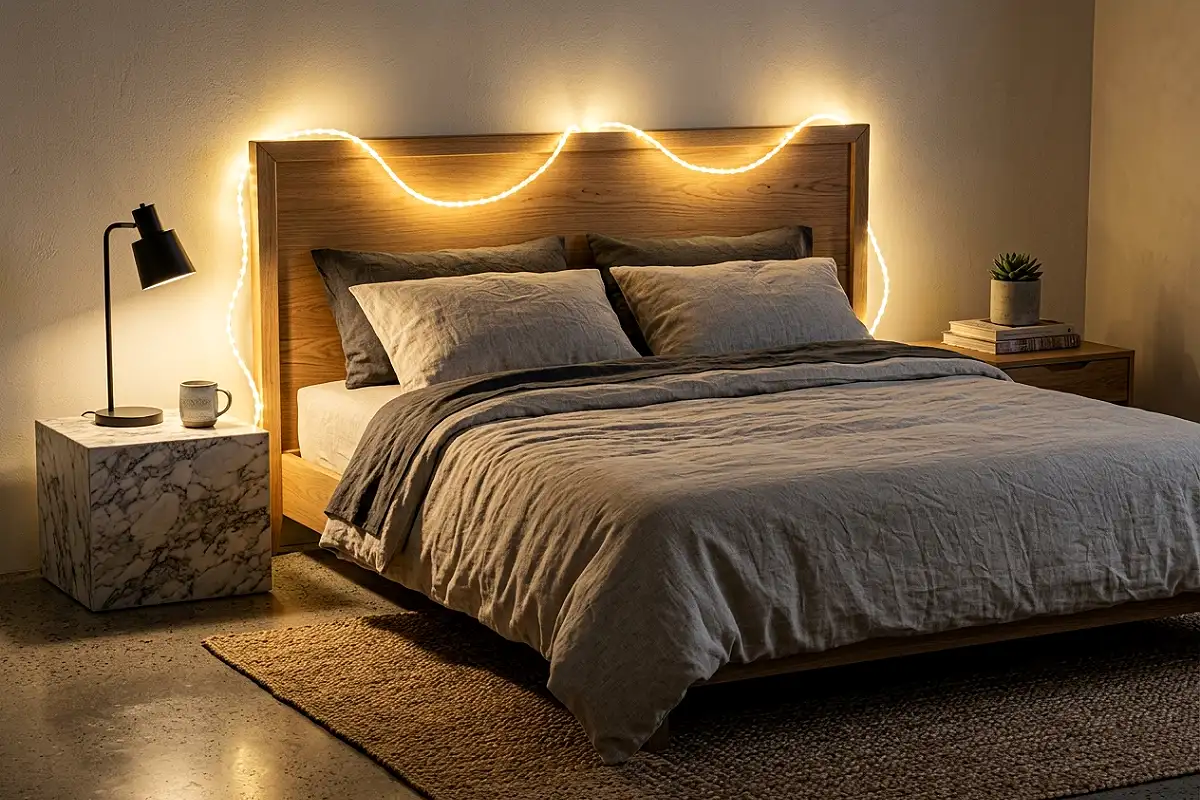
A simple strand of warm white string lights, tucked along a shelf edge or draped loosely near a headboard, adds a soft, low-level glow that feels particularly cozy once overhead lights are switched off in the evening. This is one of the most affordable ways to add ambient warmth to a room, and the soft twinkle brings a gentle, easy charm without requiring any electrical work.
Pro Tip
Choose string lights on a battery-powered timer, they’ll turn on automatically each evening without needing to be plugged in or remembered.
A Textured Throw Draped Over the Footboard
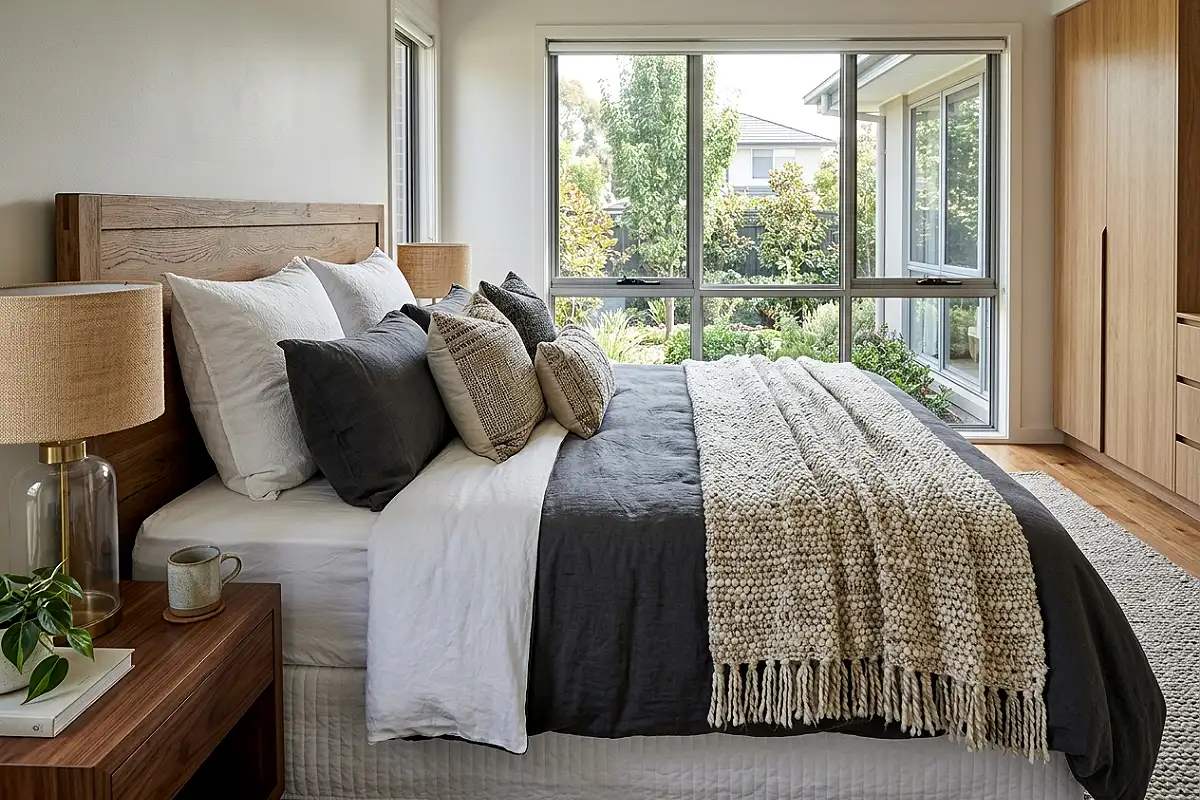
A thick, textured throw draped casually over the footboard or the end of the bed adds an extra layer of visual warmth and practical comfort for chilly nights. Choose a texture that contrasts gently with your main bedding, a bouclé throw over smooth cotton sheets, for instance, so the layering feels deliberate rather than repetitive.
Pro Tip
Fold a footboard throw in thirds lengthwise rather than draping it fully flat, this creates more visible texture and dimension across the bed.
Cellular Shades for Insulation and Softness
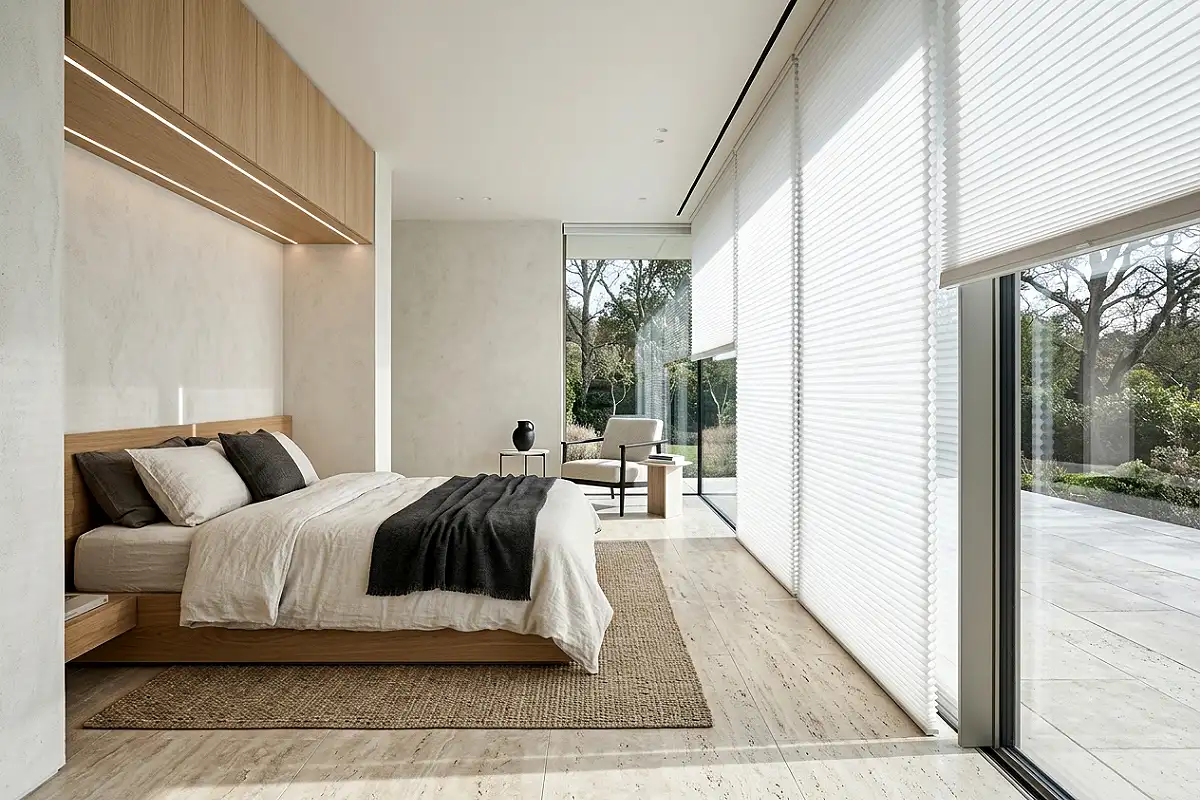
Honeycomb-structured cellular shades trap a layer of air within their pockets, genuinely helping insulate the window against both heat loss in winter and heat gain in summer, all while diffusing incoming light into a soft, even glow. They’re a quieter, less decorative choice than curtains, but the comfort and temperature benefit they bring to the room is considerable.
Pro Tip
Pair cellular shades with curtain panels rather than using either alone, the combination adds both genuine insulation and soft decorative texture.
A Tea and Book Styling Tray
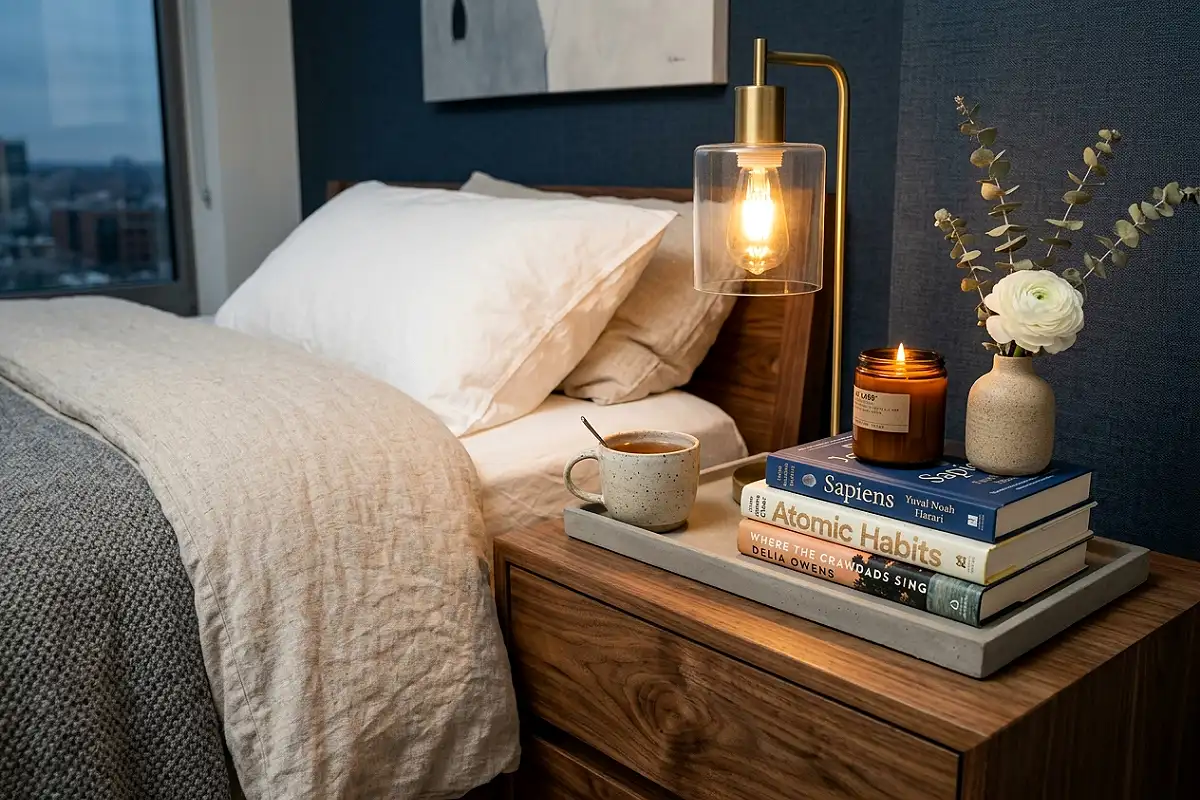
A small wooden tray on the nightstand, holding a favorite mug, a stack of books, and perhaps a candle, transforms a purely functional surface into a warm, personal little scene. This detail costs almost nothing beyond items you likely already own, and it signals a room built around slow mornings and quiet evenings rather than pure function.
Pro Tip
Choose a tray with a slight rim or edge, it keeps items contained and prevents a mug or candle from sliding off during nighttime reaching.